Category: For Grown-Ups

  • Moose at Midnight – A Man’s Nightly Encounters with a Silent Visitor During Insomnia

    Moose at Midnight – A Man’s Nightly Encounters with a Silent Visitor During Insomnia

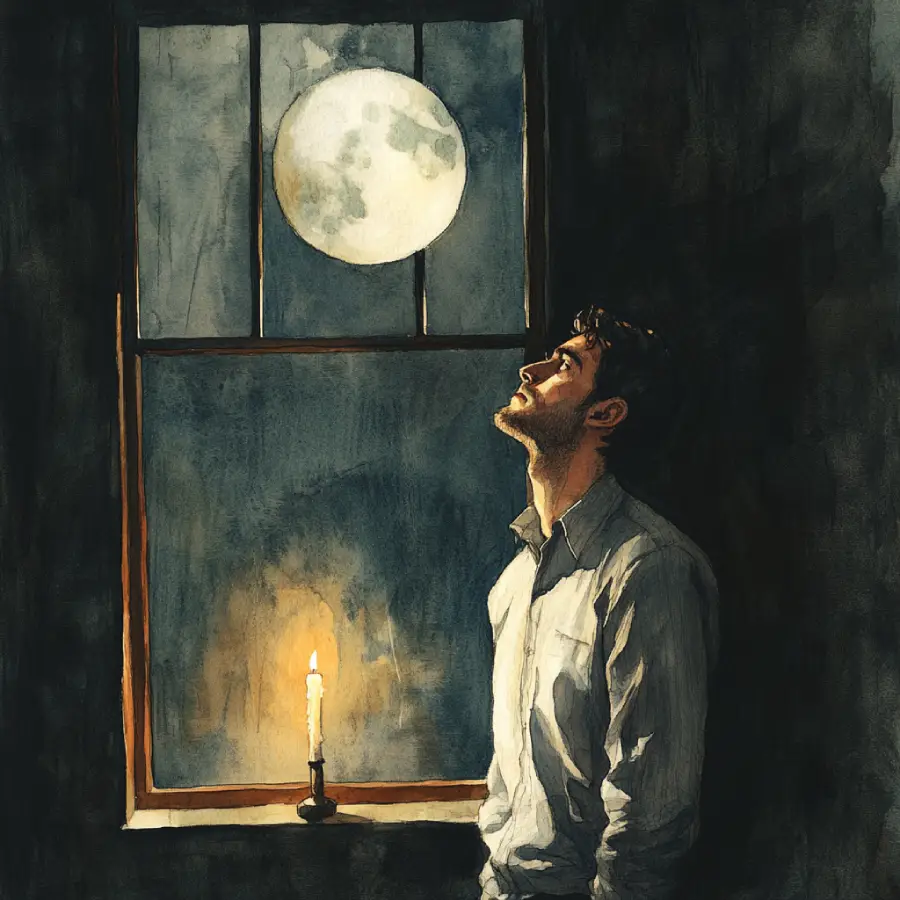
    The clock struck midnight, and I was awake again.
    I used to sleep through the night well, that’s what people told me. Now, the hours stretch like a rubber band pulled too tight, each tick of the clock a reminder that I’m still here, wide-eyed and restless, while the world sleeps around me.

    I used to dream. But now, I only see the shadows of what I’ve forgotten.

    The First Encounter

    It started innocently enough. I thought I saw a shadow move outside my window, something large, something too dark to make sense of in the moonlight. But I dismissed it, blaming the half-sleep fog in my mind.

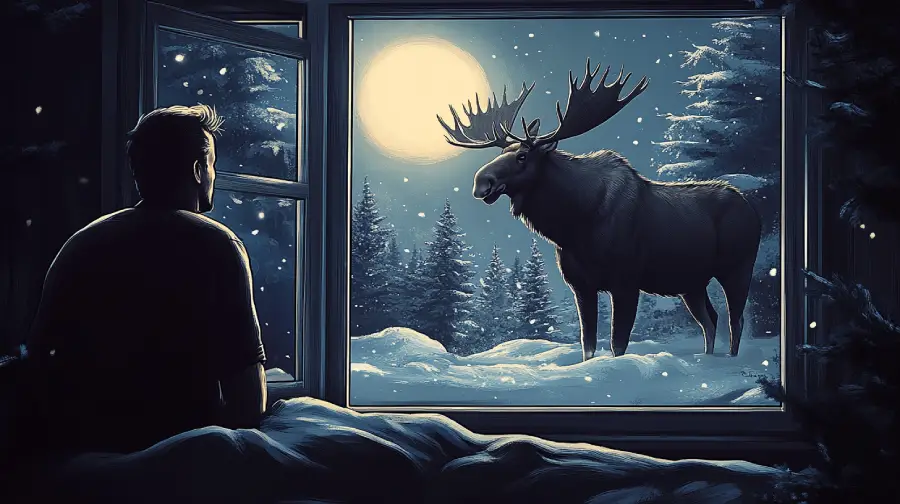
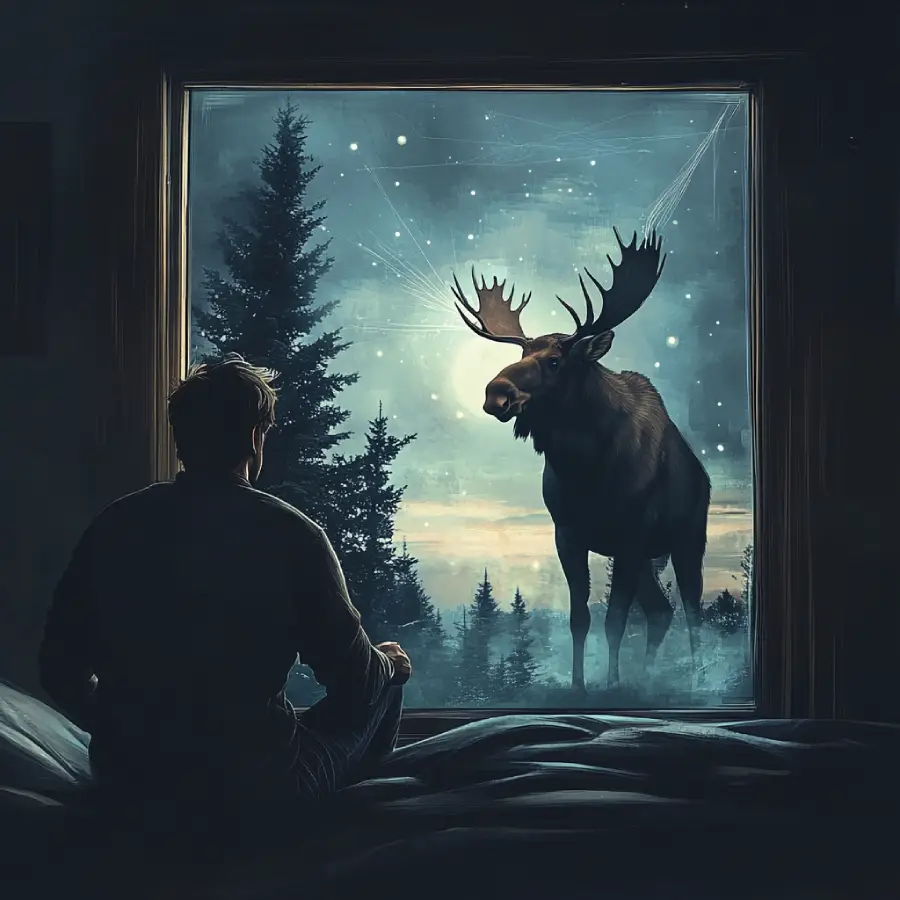
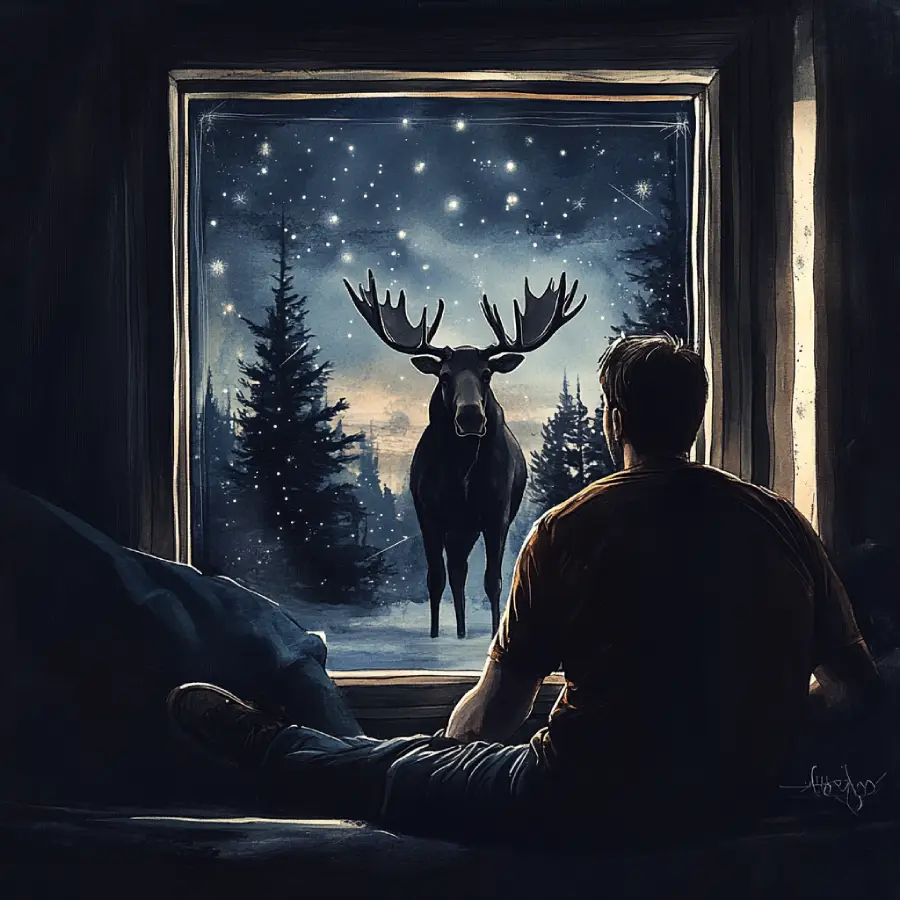
    The next night, I was awake again. Same time. Same restless thoughts. And there it was again, this time, clearer, closer. A moose. Standing in the middle of my yard.
    Not moving, just standing, its massive frame illuminated by the moon, as if it had wandered out of a dream and into the night.

    I blinked. It stayed. I rubbed my eyes. It stayed.
    And for the first time in months, I felt… something. I didn’t know what, but it wasn’t the usual emptiness that accompanied my sleeplessness.
    The Unseen Connection

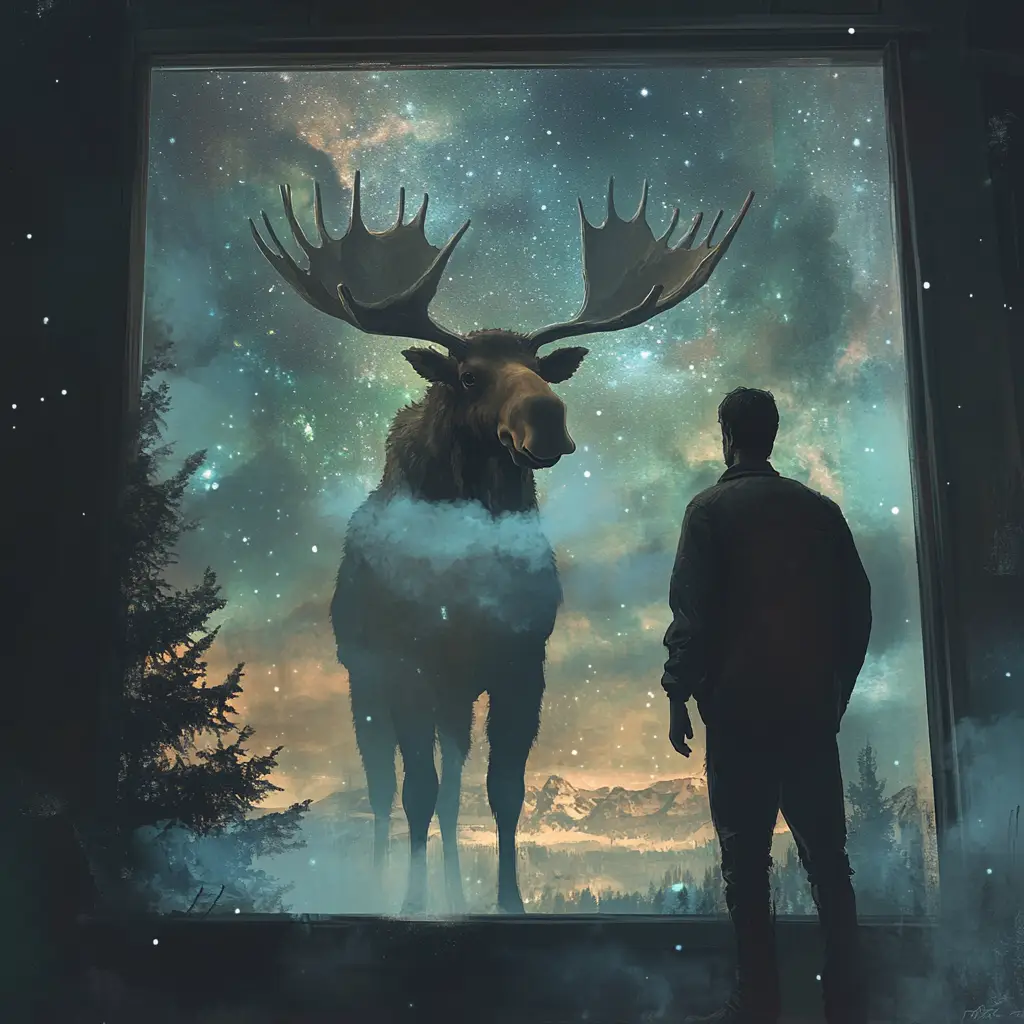
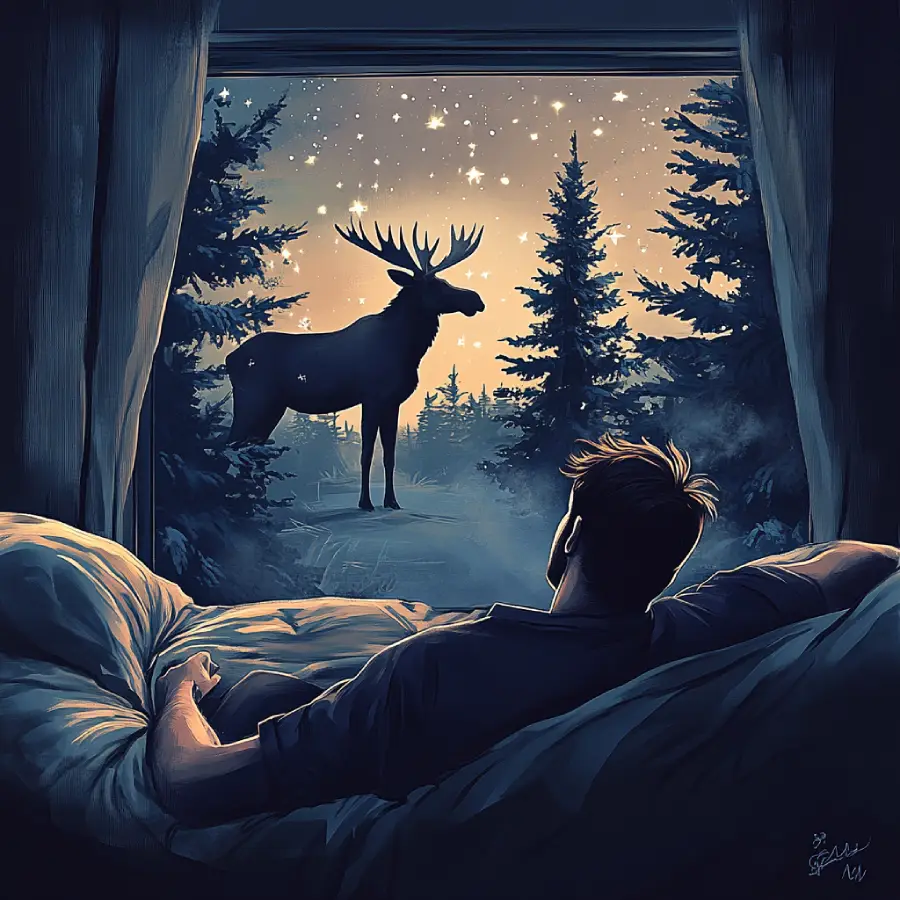
    Each night after that, the moose appeared. Not always in the same spot, but always at midnight, always silent. Sometimes I’d stand at the window and watch, waiting for it to move, to do something, anything, but it never did. It simply stood, massive and still, as if waiting for me to understand something I couldn’t name. Somehow, in its silence, it felt like it was speaking.

    And on the nights when I felt particularly alone, or lost in the blur of my sleepless mind, I couldn’t help but wonder: Was the moose a dream? A manifestation of my own desperate search for rest, for meaning, for a sign that I was still connected to something?

    Or was it real, an animal of the earth, wandering into my life at the very moment I used to fall asleep, when my dreams had once begun?

    A Dream That Never Comes

    I had spent so many nights seeking sleep, fighting against my mind that refused to settle. The moose was never a solution. It didn’t give me answers. But somehow, its presence made me feel less alone in the silence. It reminded me of something I had lost: the ability to simply be without expectation.

    The nights continued, the moose always showing up, always silent, and I began to wonder whether this animal had become my bridge between the waking world and the one I no longer knew, the world of dreams. Perhaps the moose didn’t belong in the waking world at all. Perhaps it was an offering from the realm I used to visit so easily, a reminder of the dreams that once came without effort, at midnight, in the soft grasp of sleep.

    Letting Go

    On the night I finally let go of the fight against sleep, something shifted. The moose appeared again, as it always did. But this time, I didn’t stare, waiting for it to move, waiting for some deep meaning to materialise. I simply watched. And for the first time in months, I let the world fade.
    The moose remained, solid and eternal, and the darkness around it became a blanket that wrapped me in comfort, not fear.

    I woke in the morning, and I didn’t remember the moment I fell asleep. But it didn’t matter. For the first time in a long time, I felt rested.

  • Rosie the Rabbit Knows Routine – How Daily Care Helped Me Hold Onto Myself

    Rosie the Rabbit Knows Routine – How Daily Care Helped Me Hold Onto Myself

    I forgot the name of the street I’ve lived on for 14 years last Tuesday. It vanished, like mist, just like that, one moment, everything gone. It’s not the first time. It won’t be the last.

    The doctors use words like “early cognitive decline.”
    I use words like “slipping.”

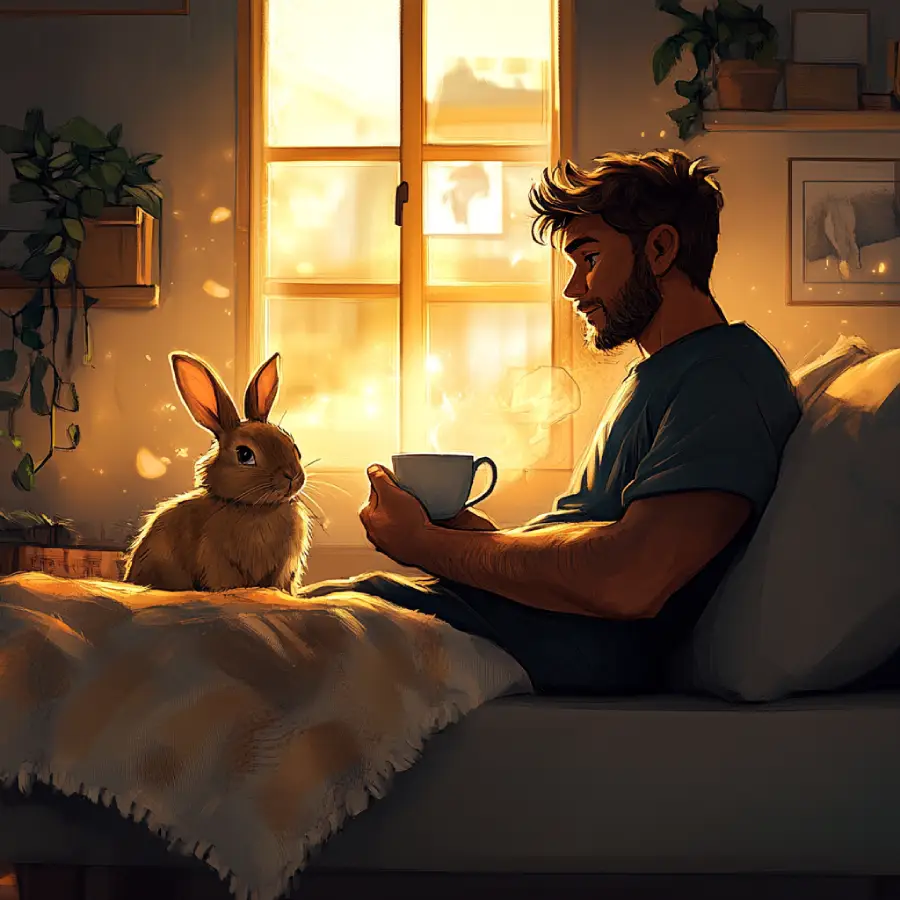
    But every morning at 6:30 a.m., Rosie reminds me who I am.

    The Rhythm of a Rabbit

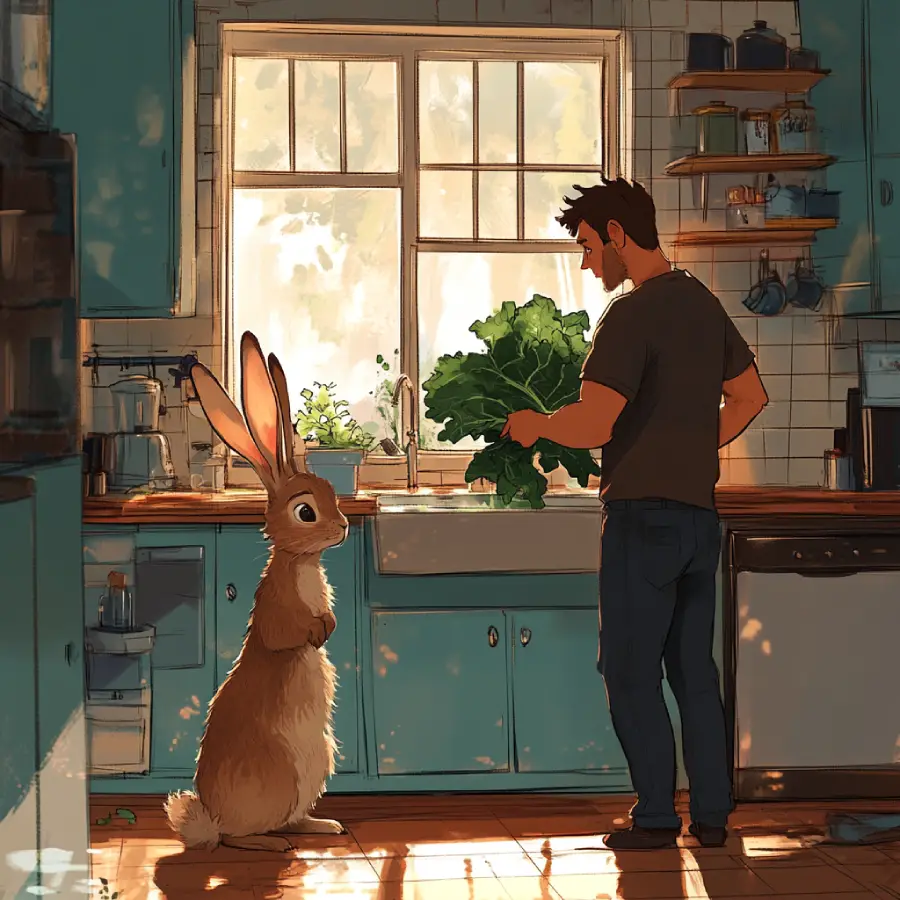
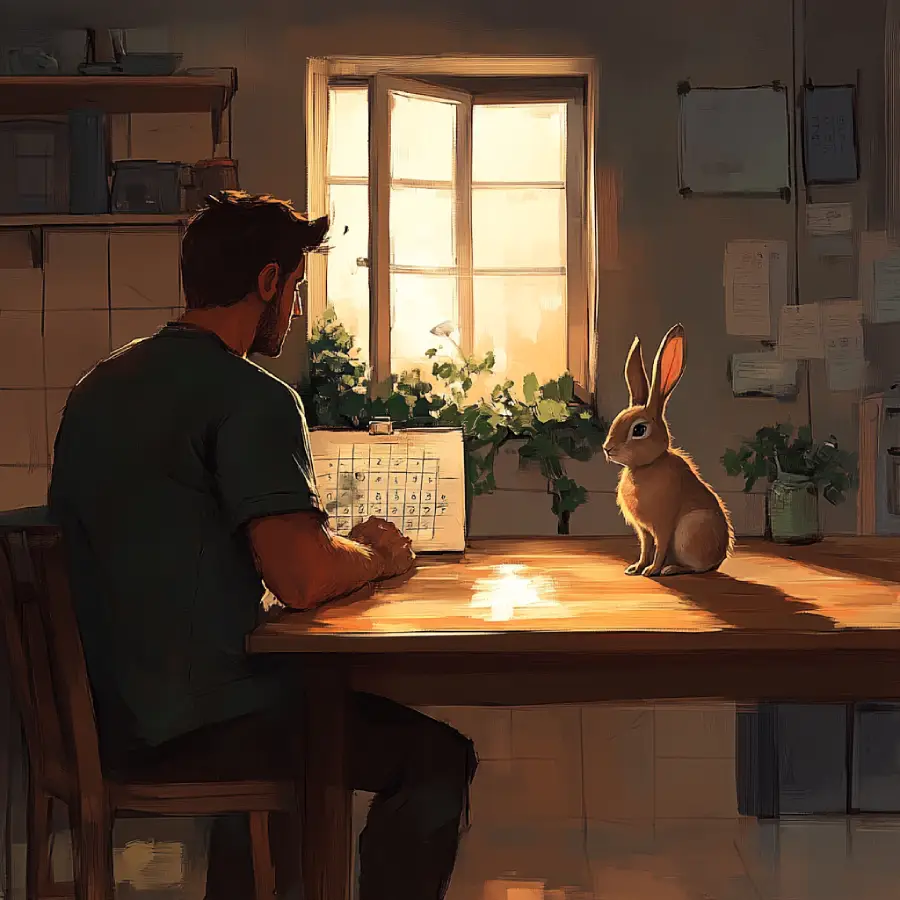
    Rosie is a lop-eared rabbit with a lopsided hop and a deep love for kale. She’s been with me for five years now. Longer than I can remember without checking the notes my daughter taped to the fridge.

    She thumps her back foot when I’m late. Stands on her hind legs when I walk into the kitchen. And every morning, I fill her bowl with pellets and greens, exactly the way she likes it.

    She doesn’t care that I sometimes forget where I put the keys. She doesn’t ask if I remember her birthday. All she asks is that I show up. Same time. Same place. Same bowl.

    Anchored by Habit

    Some days, my memories feel like leaves in the wind, close enough to see, but too far to grasp. I lose the thread of a story mid-sentence. I stand in a room and forget why I’m there.

    But Rosie… Rosie is a thread I can hold onto.

    When I wake up confused about what day it is, I hear the soft rustle of her paws. When I lose track of time, her hunger keeps time for me. Her needs are simple, but their simplicity saves me.

    When Routine Becomes Connection

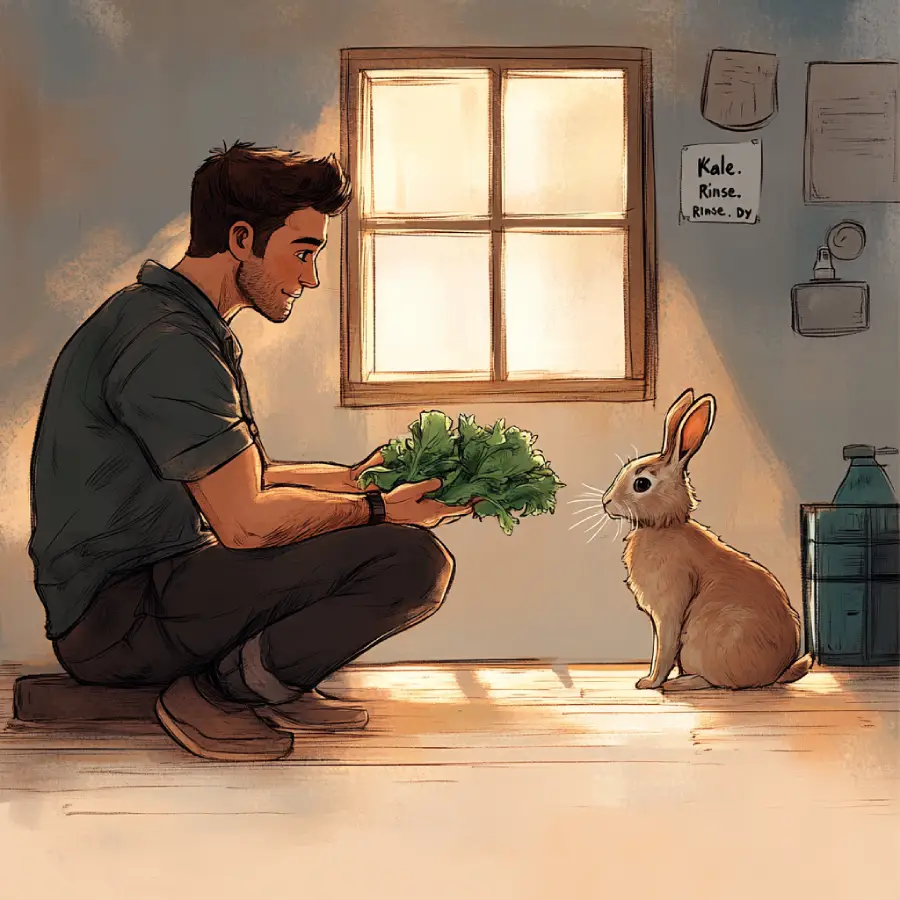
    Feeding Rosie isn’t just a task, it’s a tether. I talk to her while I scoop the pellets. I narrate my steps aloud. “Kale. Rinse. Dry.” She doesn’t answer, but she listens. Somehow, in her quiet, watchful way, she makes space for the pieces of me that feel scattered.

    My daughter says Rosie keeps me sharp. I think Rosie keeps me human.

    She reminds me of things I haven’t written down:
    The morning light falls differently in winter.
    That love doesn’t need to be remembered to be felt.
    That being known, really known, can look like a rabbit waiting at a food bowl.

    A Gentle Kind of Remembering

    I still forget names. I still lose the thread. But every morning, Rosie is there. Expectant. Patient. Constant.

    And in that small act of feeding her, of showing up, I remember something bigger than names or addresses. I remember that I’m still needed. Still connected. Still here.

    Some days, that’s more than enough. Some days, that’s everything.

  • Finn the Fish and the Silent Room – A Story of Healing, Stillness, and Small Lives That Teach Us How to Stay

    Finn the Fish and the Silent Room – A Story of Healing, Stillness, and Small Lives That Teach Us How to Stay

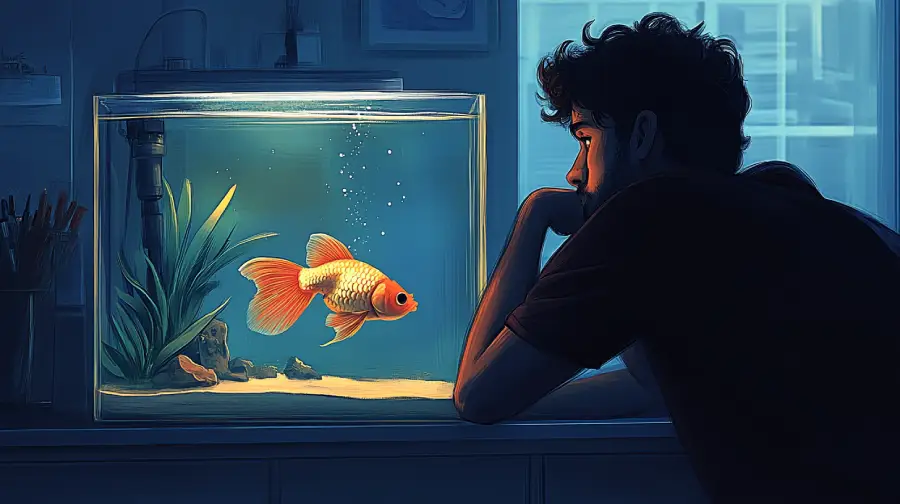
    The room was too quiet at first. Not the peaceful kind,
    The kind that amplifies every heartbeat, every breath, every passing thought.

    I had just returned from my third hospital visit in two months, all for what they called “panic disorder.” I called it drowning in air. Doctors said I needed rest. Space. Stillness. But stillness felt like a threat, not a remedy.

    That’s when I was given the fish tank.

    A New Kind of Stillness

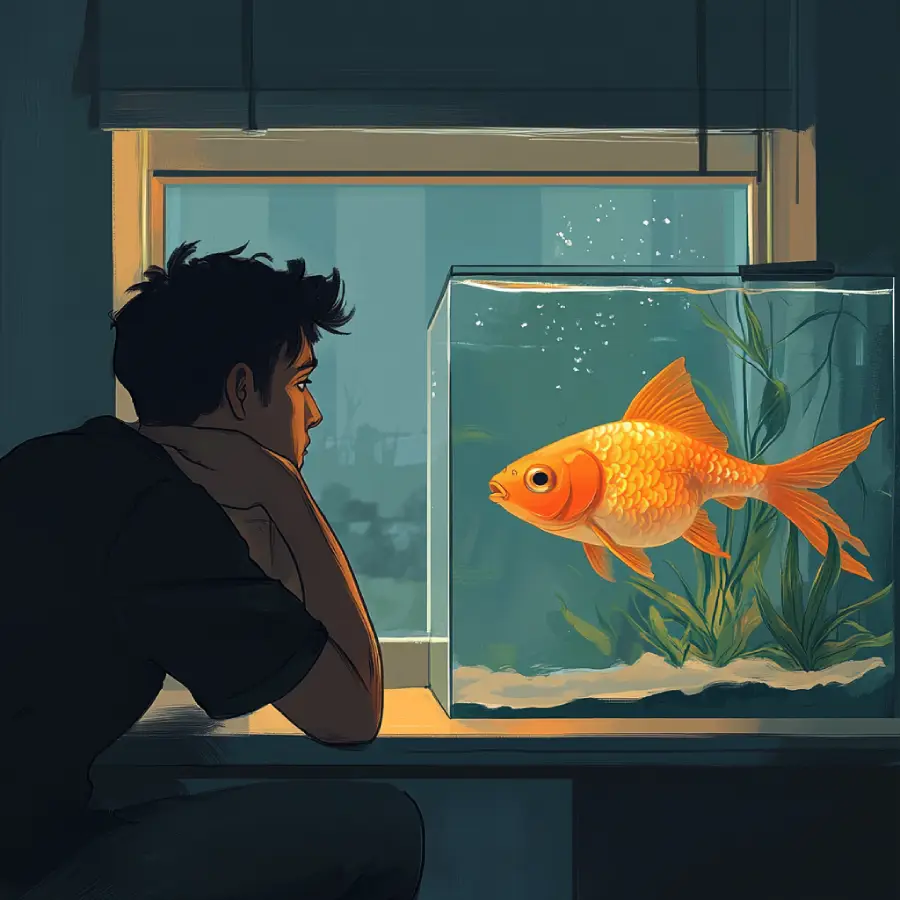
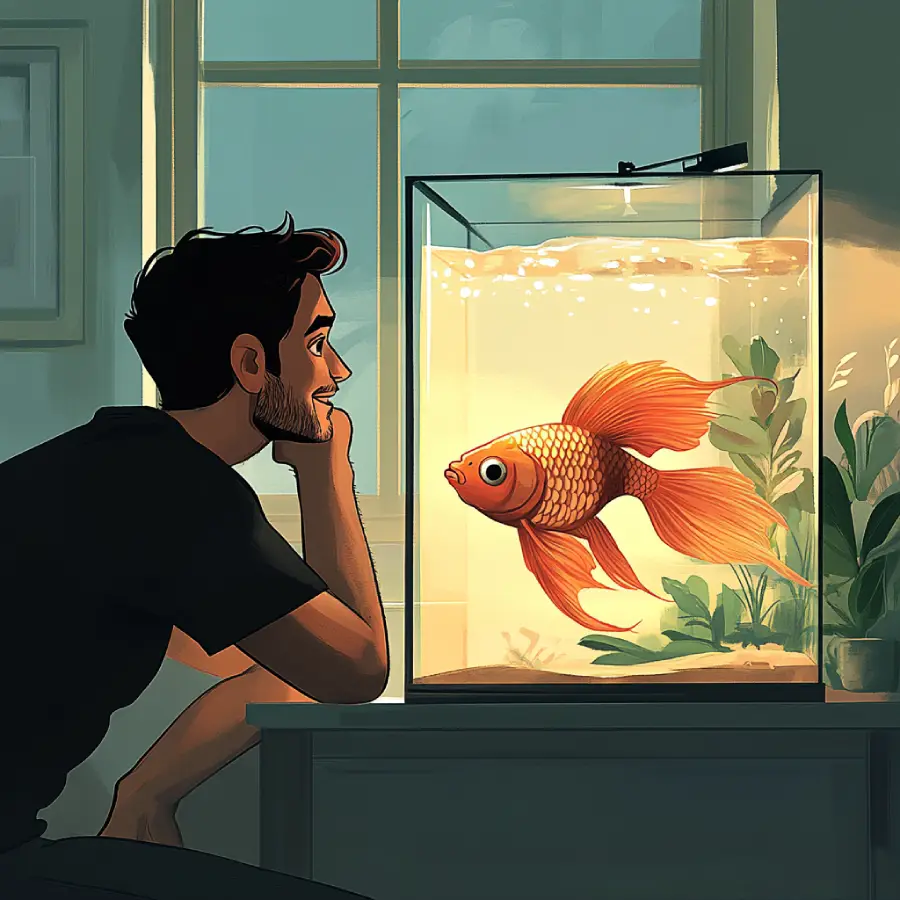
    It was a gift from my sister, more gesture than a solution. A modest tank, filled with smooth pebbles, a few plastic plants, and one lone inhabitant: a small, orange Goldfish.

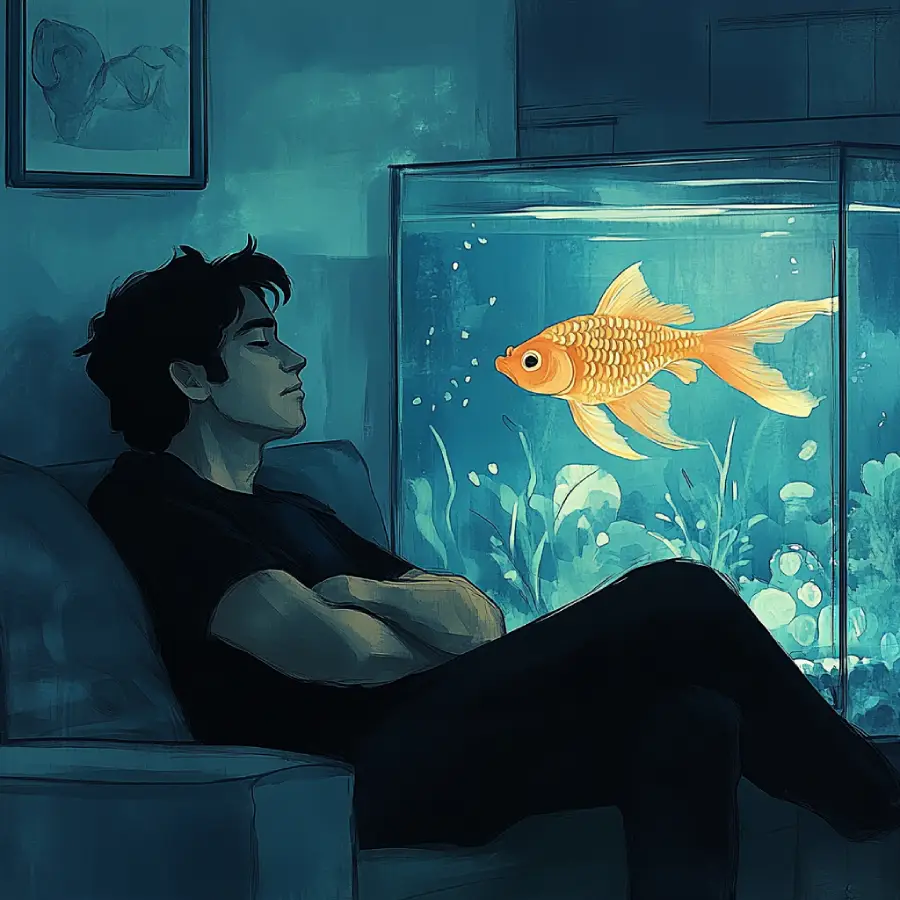
    I named him Finn. I wasn’t trying to be clever; it just felt right. He floated like a question mark. Moved only when he needed to. And he never seemed to mind the silence.

    At first, I barely noticed him. I was too busy counting the seconds between panic attacks, too caught in the loop of “what if.”

    But Finn… Finn didn’t loop.
    He drifted. He paused. He glided from one end of the tank to the other like time didn’t matter.

    The Rhythm Beneath the Noise

    It took days before I noticed the gentle hum of the filter.
    Weeks before I realised Finn had routines, he circled the tall plant every morning, tucked himself near the heater at night. He never rushed, never startled, never fought the glass.

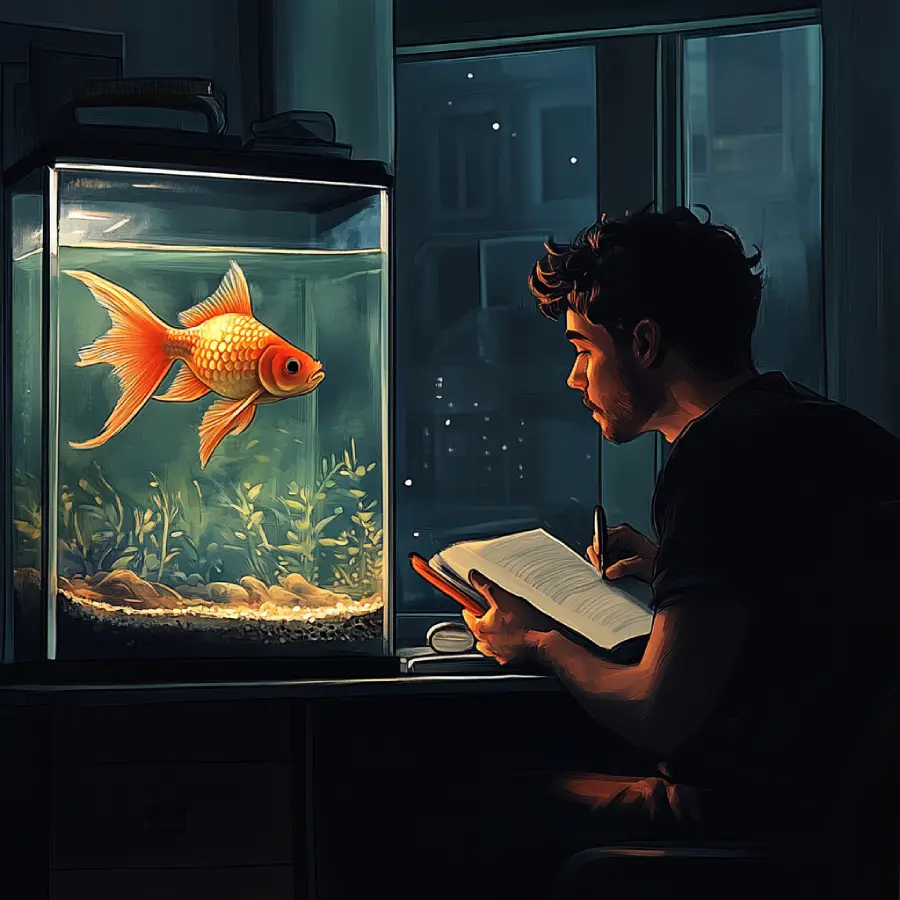
    I started sitting near the tank more often, not out of interest at first, but out of necessity. There was something about watching him that made my chest loosen. My mind, usually a flood of spiraling thoughts, began to quiet.

    I’d find myself breathing in sync with the gentle sway of the water. I stopped checking my pulse.
    I started writing again, just small things. Sentences. Observations.
    Like: “Today, Finn blew bubbles near the surface. I think that means he’s happy.”

    Healing Isn’t Loud

    No one talks much about the part of healing that’s boring. There’s no cinematic breakthrough. No epic transformation.

    Just… tiny shifts. A full night’s sleep. A cup of tea that stays warm long enough to finish. A fish, blinking slowly, reminds you how to exist.

    Finn didn’t cure me. He didn’t need to. What he offered was a new kind of stillness, one that didn’t feel like a trap, but a rhythm. One I could return to when the world got too sharp.

    A Silent Room, Now Alive

    Months later, I still live in the same apartment. Same couch. Same tank. Finn is older now, maybe a little slower, but he still makes his rounds.

    The room hasn’t changed.
    But I have. It’s still quiet, but now it’s the kind of quiet that holds space, not fear.

    And in that silence, I’ve found something unexpected: A pulse that no longer races. A peace that doesn’t have to speak.
    And a fish who taught me how to stay.

  • Toby the Toad and the Rain – How a Small Creature Helped Me Find My Voice Again

    Toby the Toad and the Rain – How a Small Creature Helped Me Find My Voice Again

    The words had stopped coming.

    For weeks, I had stared at blank pages, coffee cups, and cloudless skies. Deadlines passed. Ideas wilted. Even the birds outside my window had grown quiet, as if they too were waiting for me to say something worth singing along to.

    So I did what I always did when the world inside grew too loud: I walked.

    The Return to the Pond

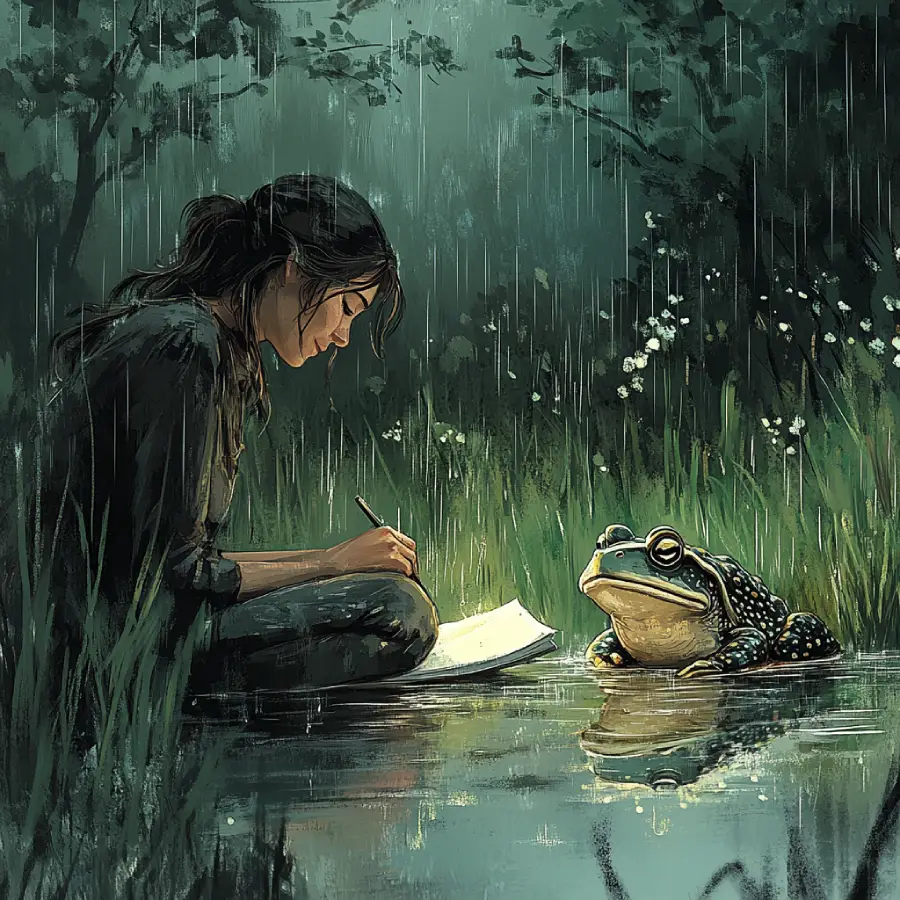
    It was the first warm rain of spring. The kind that doesn’t rush, just falls gently, insistently, like a reminder. My boots sank into soft earth as I followed the narrow path behind my cottage, toward the pond I hadn’t visited in months.

    Everything smelled of growth, mud, moss, something ancient stirring. And then I saw him.

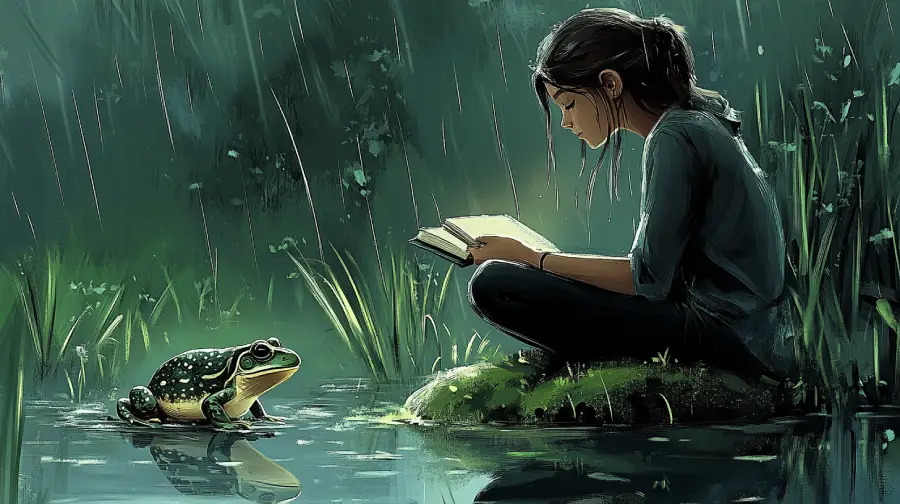
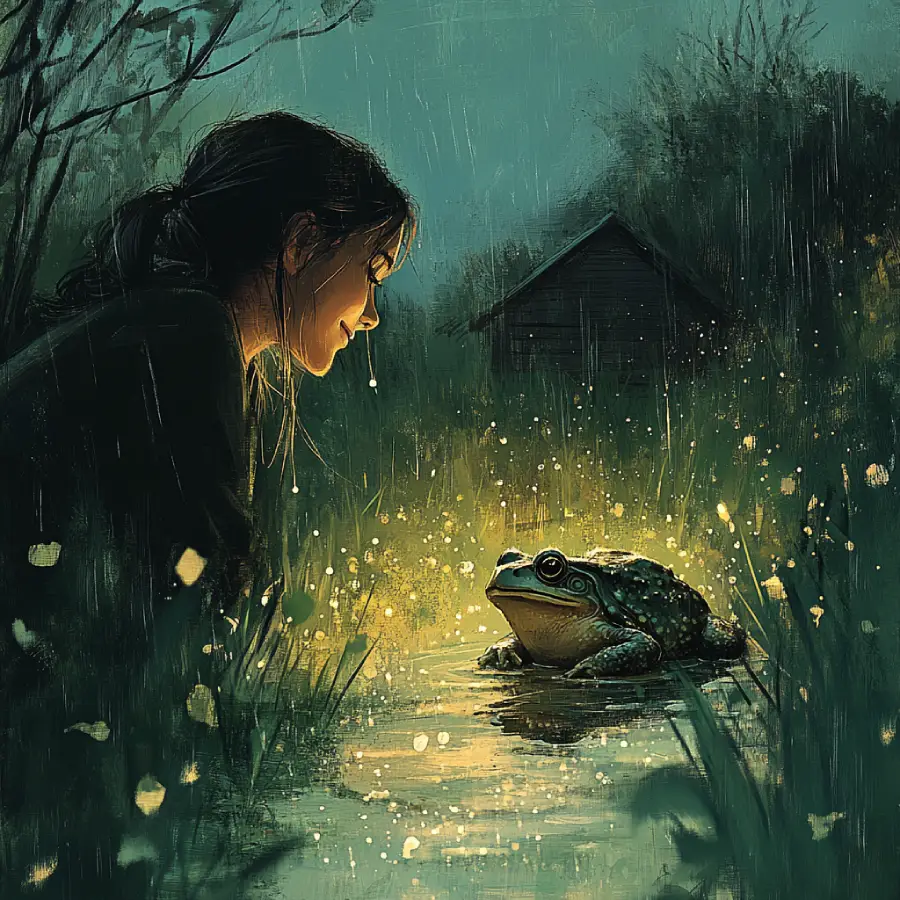
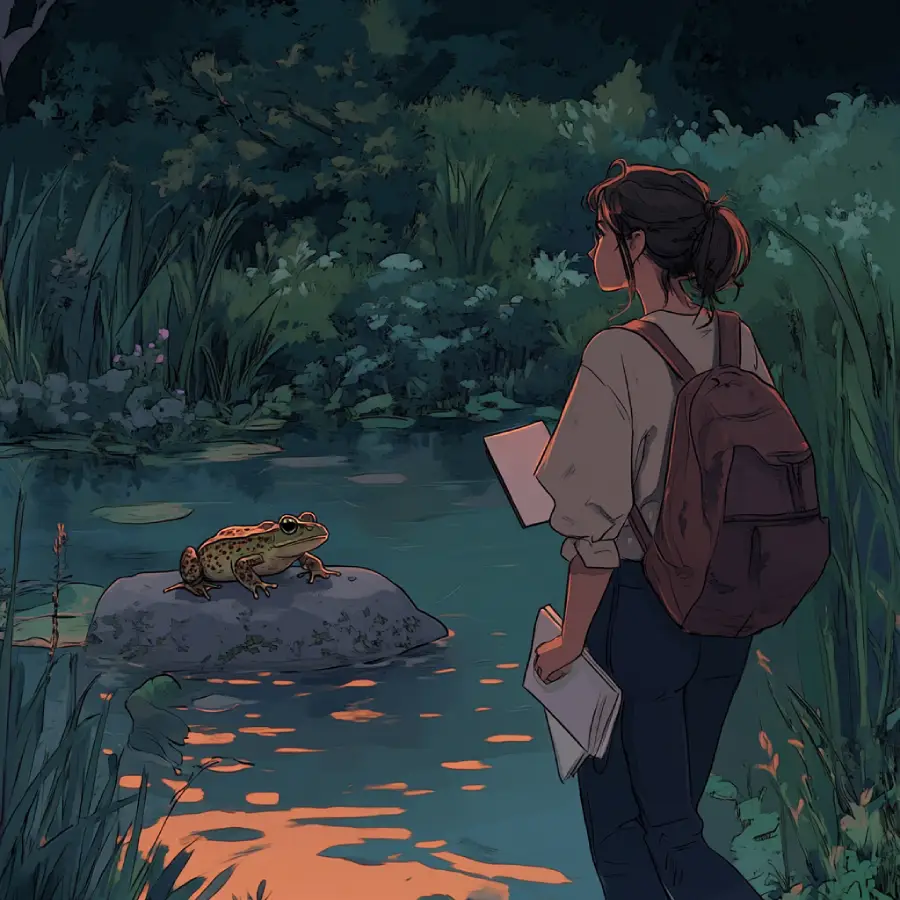
    Toby, the toad. Or at least, I called him that. Year after year, he returned to the same mossy stone at the pond’s edge when the rains came. I had seen him for three springs now, his mottled back and amber eyes always arriving with the season’s first true downpour. I liked to think he remembered me. I certainly remembered him.

    The Poetry of Presence

    Toby didn’t do much, just sat. Blinked. Shifted. Let the rain bead on his skin like he was made for it.

    I sat too, a few feet away, and watched him with the kind of attention I usually reserved for metaphors. It wasn’t long before I noticed the rhythm: the gentle drip of rain on leaves, the plop of frogs in the distance, the low hum of life returning. The pond, quiet for so long, had found its voice again.

    And something in me did too. Lines began to form, not finished poems, not polished, just fragments:
    “Rain like memory – landing where it matters…”
    “The stillest creatures -hold the oldest truths…”

    Toby didn’t seem impressed, but he didn’t leave either.

    Inspiration Doesn’t Always Roar

    I had been chasing inspiration like it was a storm, something dramatic and rare. But watching Toby reminded me that some of the most necessary things arrive quietly. A slow rain. A familiar toad. A line of verse spoken not out loud, but felt.

    I stayed by the pond until the light shifted and the clouds softened. Toby blinked, adjusted his weight, and nestled deeper into his patch of moss. The moment didn’t need applause. It just needed to be noticed.

    Leaving with Less, and More

    I didn’t leave the pond with a masterpiece. Just a muddy notebook, damp socks, and the beginning of something honest. But I left with something else too: the understanding that inspiration isn’t something to force. It comes with the rain. With presence. With stillness. And sometimes, with an old toad sitting patiently on a stone.

  • The Sparrow in the Market – How a Tiny Bird Taught Me to Find Grace in the Chaos of Everyday Life

    The Sparrow in the Market – How a Tiny Bird Taught Me to Find Grace in the Chaos of Everyday Life

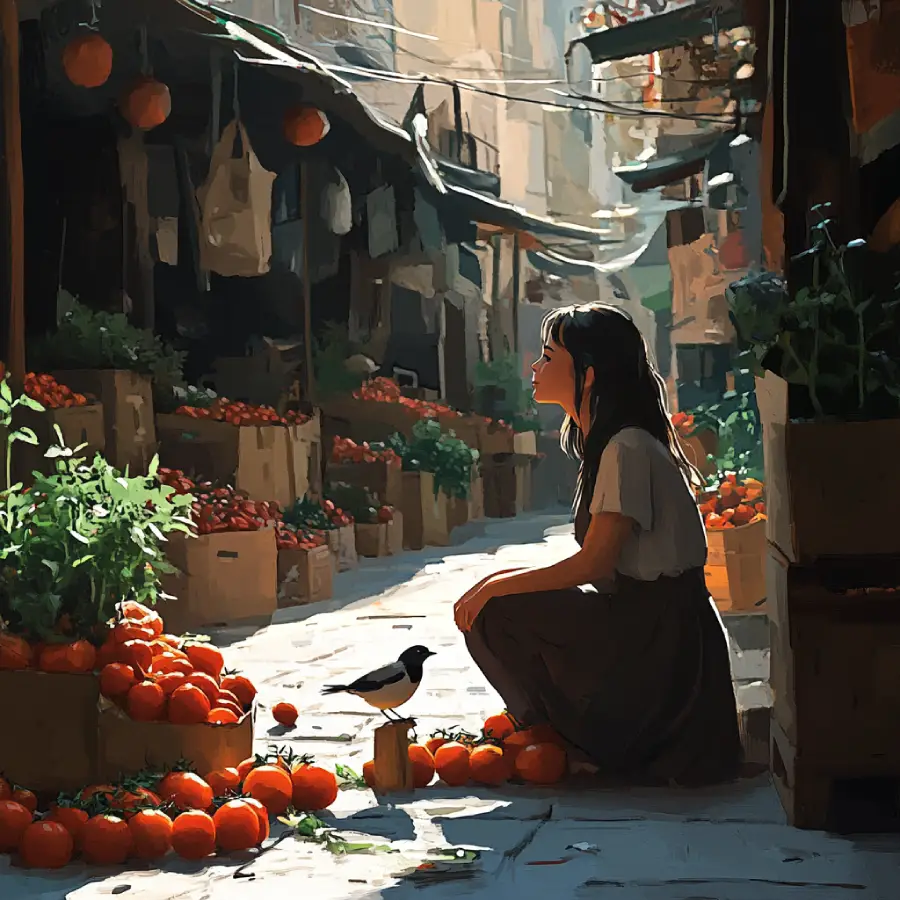
    On a crowded Saturday morning, the marketplace buzzed with its usual symphony, vendors shouting prices, bags rustling, carts clattering over cobblestones. It was the kind of noise that filled your head without your permission. I had come for bread and vegetables. I left with something else entirely.

    A Feathered Disruption

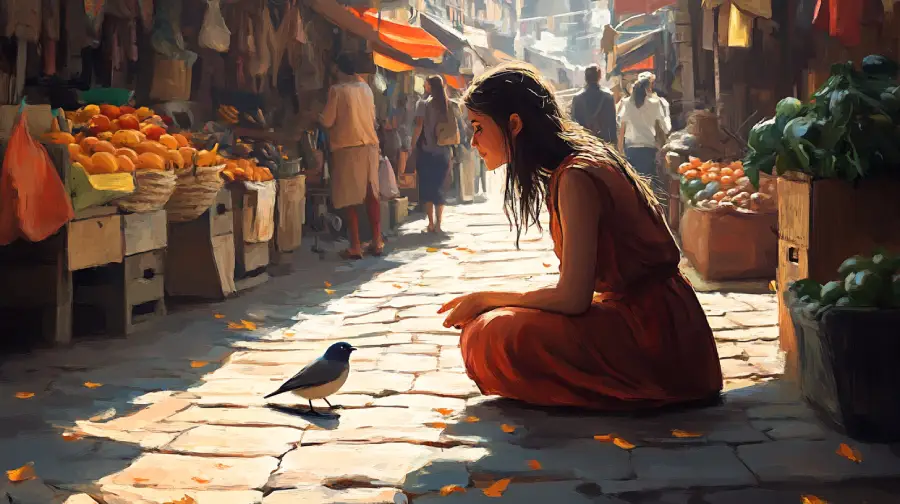
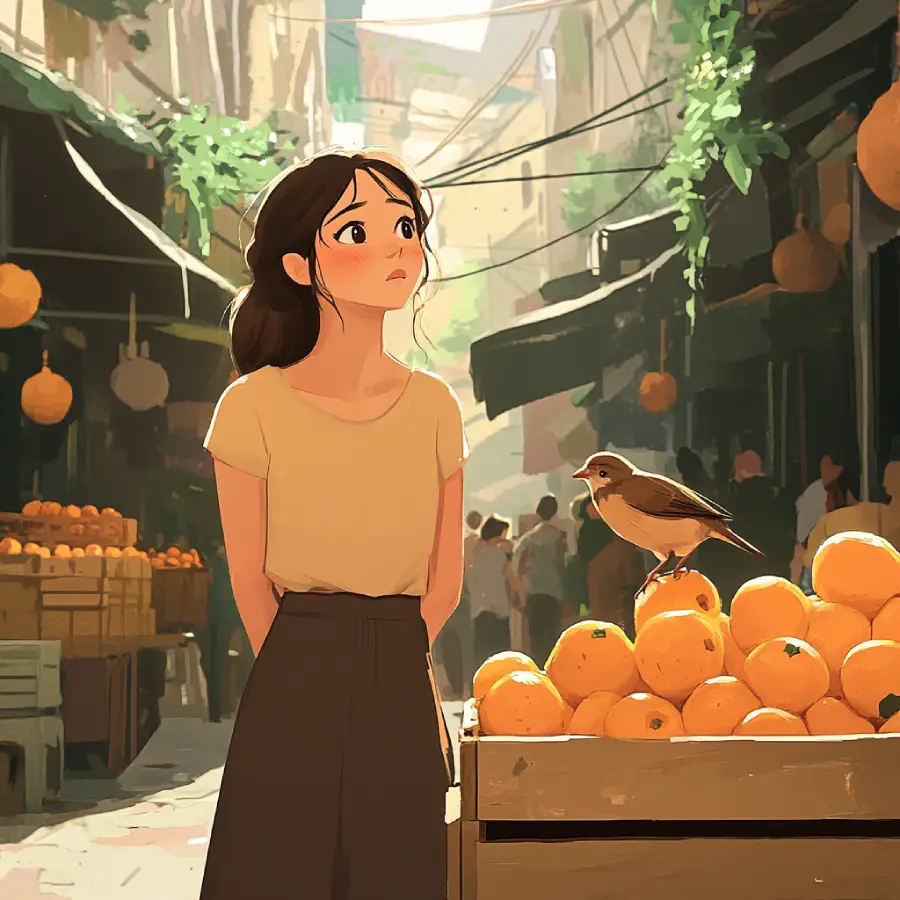
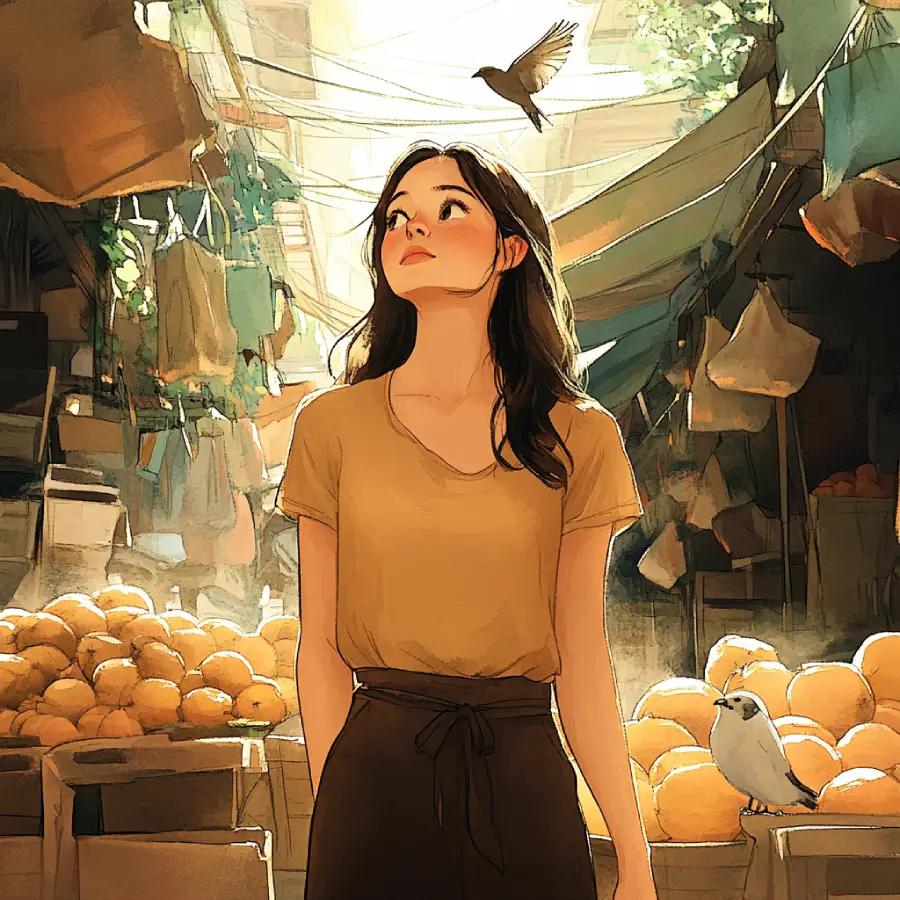
    It started with a flutter, brief, almost invisible, like a thought you’re not sure you had. A sparrow, small and brown, darted low between the stalls, narrowly avoiding a swinging basket. It landed clumsily near a crate of oranges, unnoticed by most, except me.

    Something about its presence slowed me. While everyone else kept moving, bargaining, rushing, and calculating, I stood still. It wasn’t extraordinary, this bird. But in a space designed for commerce and speed, it was out of place. And because it didn’t belong, it demanded attention.

    A Moment of Stillness Amid the Rush

    The sparrow didn’t fly away. It hopped cautiously, pausing by a spilled slice of tomato. A child pointed at it. A vendor waved it off with a rag. But for a few seconds, it held its ground.

    I found myself kneeling, quietly, watching. The smell of coriander and diesel mixed in the air. Somewhere behind me, a woman laughed loudly. None of it mattered in that moment. The bird and I were suspended, not from time, but from urgency. There was something sacred in its smallness. Fragile, yes, but not weak. Just… present. Fully, unapologetically here.

    When the Ordinary Becomes the Divine

    The sparrow flew off eventually, not in fear, but with a kind of graceful indifference. It had found what it needed. I stood slowly, the rough stones pressing into my knees a reminder that I had stopped moving. For once, I hadn’t rushed through the morning. I had noticed something, and in doing so, had noticed myself.

    The chaos resumed around me as if nothing had happened. But something had. A shift, subtle but meaningful.

    It’s strange how grace doesn’t shout. It shows up in feathers and fragments, in the quiet defiance of small creatures, reminding us we’re alive.

    Carrying Stillness into the Noise

    Since that day, I’ve tried to carry a little sparrow energy with me. To look up when the world tells me to look down. To pause when everything demands I push forward. And to notice the sacred in the small, a hand brushing mine, the first sip of coffee, the moment between inhale and exhale.

    There’s always a market. Always chaos.
    But if you’re lucky, there’s also a sparrow.
    And if you’re wise, you’ll stop to watch it.

  • The Raccoon at Midnight – A Messy Encounter That Taught Me to Let Go of Control

    The Raccoon at Midnight – A Messy Encounter That Taught Me to Let Go of Control

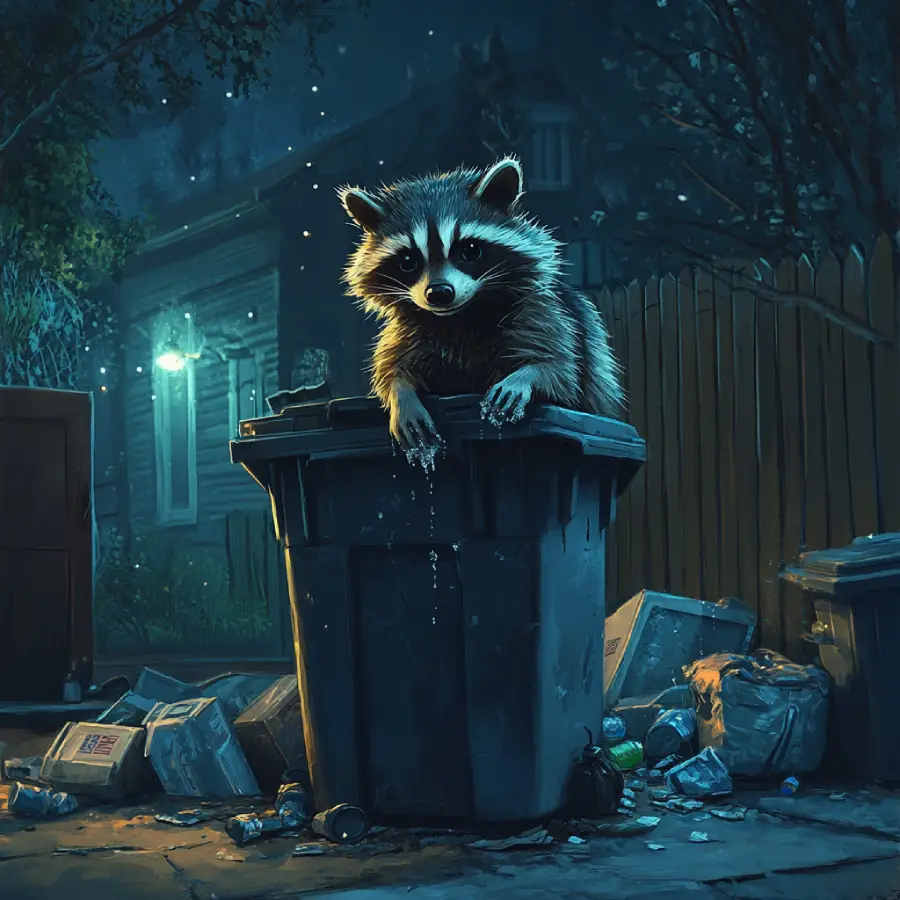
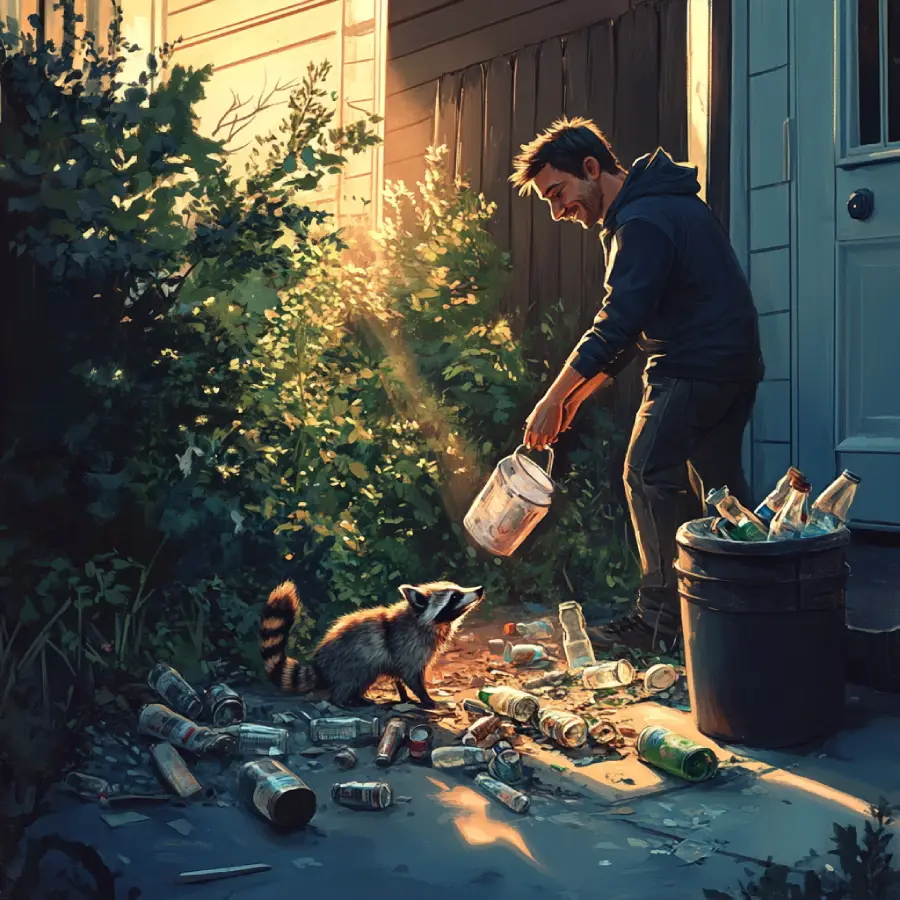
    It began with a crash. Midnight. I was halfway between sleep and scrolling, the blue light of my phone still glowing in one hand. Then came the unmistakable sound of something tumbling outside, metal against concrete, sharp, sudden, final.

    I froze. A burglar? A wind gust? The recycling bin?

    Then came the rustling. Bold, unapologetic. Something was definitely out there. And I knew it was the raccoon again.

    A Masked Menace Returns

    He’d been around before. Once, scratching at the compost bin. Another time, prying open a bird feeder with the tenacity of a safecracker. But this was different. This was deliberate. Personal, even.

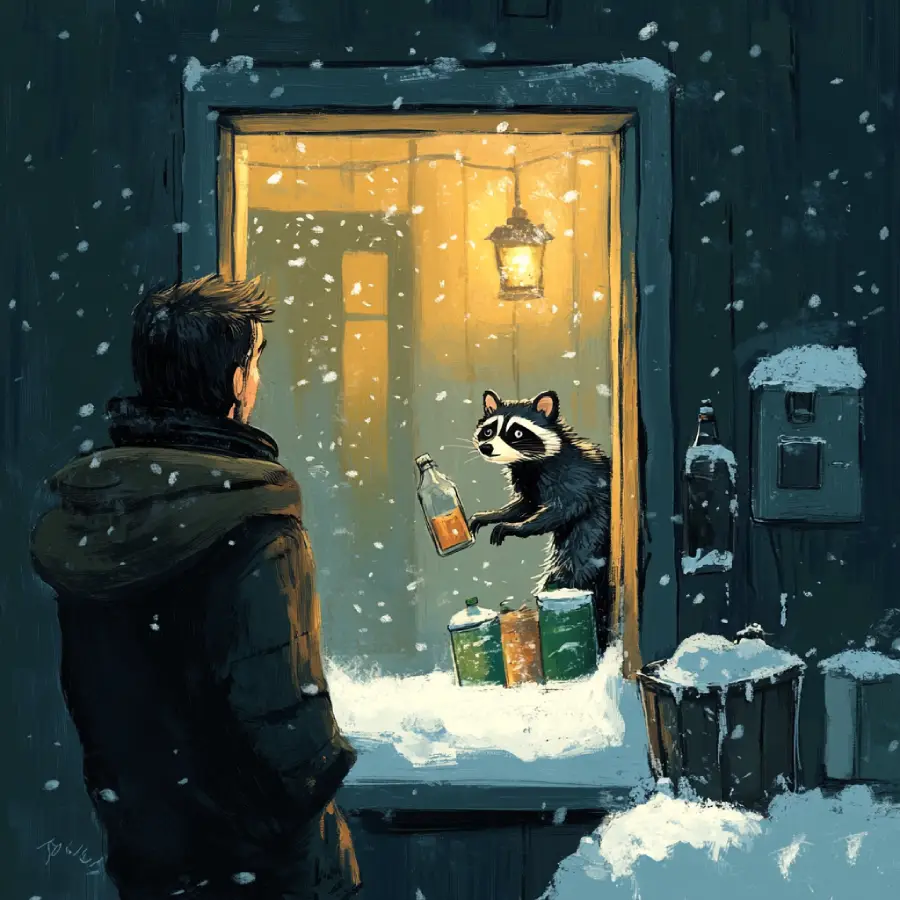
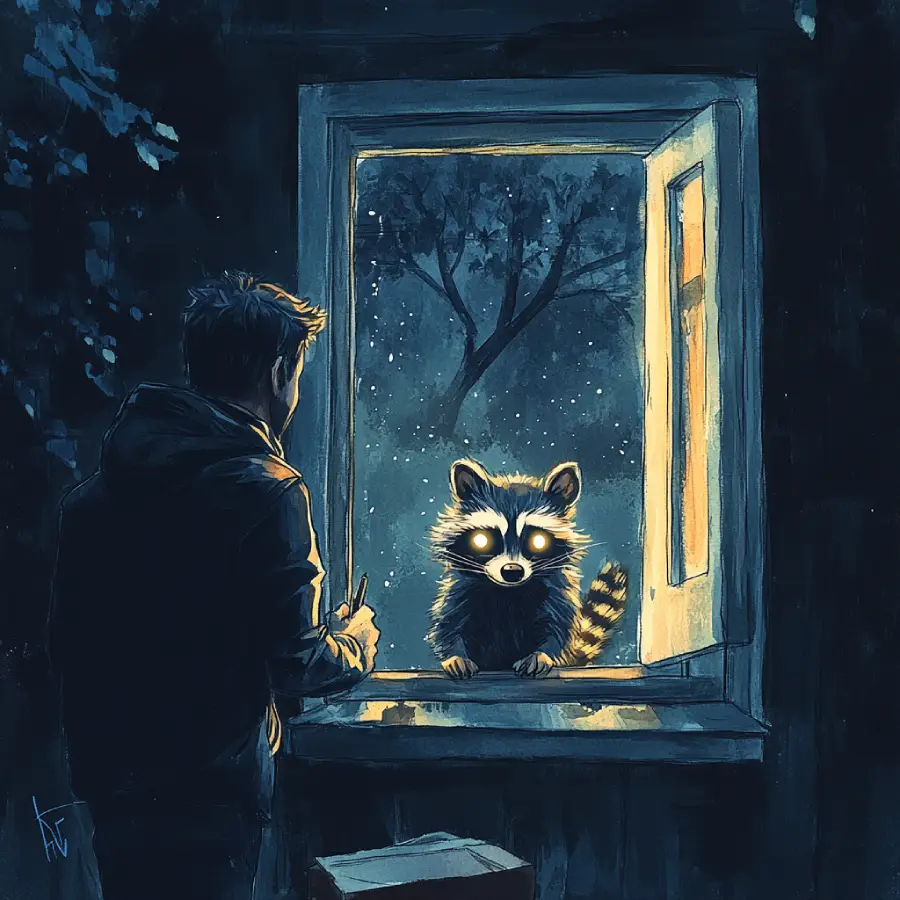
    I crept to the window and pulled the curtain back just enough to see him, fat, fluffy, and entirely unbothered, knocking over the last of my carefully sorted bins like a bored god. He looked straight at me. No fear. Just… attitude.

    And then, as if to seal the moment, he climbed on top of the tipped bin, sat down, and began washing his little hands like a chef preparing for a feast.

    When Control Meets Chaos

    I should’ve been angry. Everything was a mess. I had work in the morning, neighbors probably hearing the commotion, and there I was watching a raccoon perform a midnight symphony of mischief.

    But oddly, I wasn’t mad. I was struck by his confidence. His complete disregard for how things should be. My neatly ordered bins? Pointless. My “quiet evening routine”? Gone.

    The raccoon didn’t care about my schedule or my plans. He followed instinct, curiosity, and hunger. And in that chaos, there was something oddly honest. Something I hadn’t felt in a while.

    Letting the Wild In

    The next morning, I stepped outside expecting frustration. But as I picked up scattered bottles and reset the bins, I found myself smiling.

    The mess wasn’t the problem. The real discomfort had been in my inability to control the moment. And the raccoon, chaotic, clever, ridiculous, had simply reminded me that control is often an illusion.

    Sometimes, the wild shows up to knock over what we’ve kept too tidy. To wake us up. To shake loose the parts of us that have become too rigid.

    A Little Mischief is Medicine

    Since that night, I’ve kept an eye out for him. I don’t leave food out, but I leave a bit more room in my life for surprise, for unplanned noise, for spontaneous joy, for the kind of disruption that teaches rather than destroys.

    Because sometimes, the lesson doesn’t come in calm or quiet. Sometimes, it arrives with little hands, glowing eyes, and a trash can lid flying at midnight.

  • The Swan on the Ice – A Quiet Lesson in Grace Under Pressure

    The Swan on the Ice – A Quiet Lesson in Grace Under Pressure

    It was the kind of winter morning when everything looked too delicate to touch.

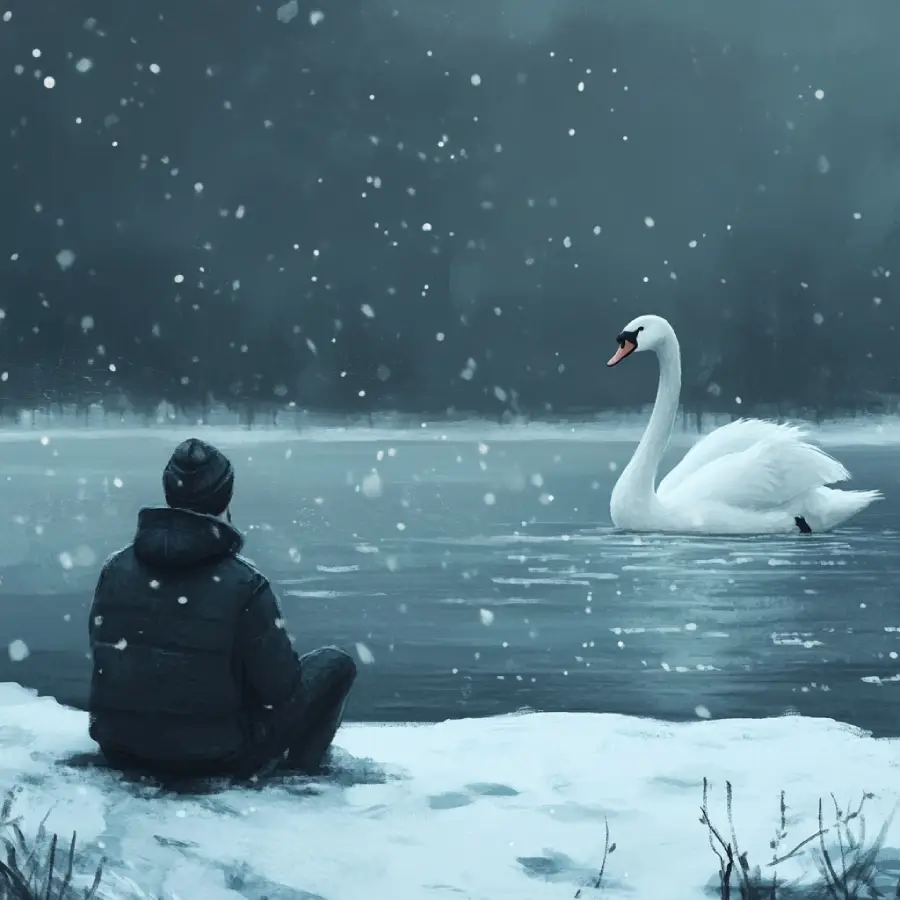
    I had gone for a walk near the frozen lake, the kind of walk you take not to go anywhere but to escape everything. The air was still, and the world seemed paused, until I saw her.

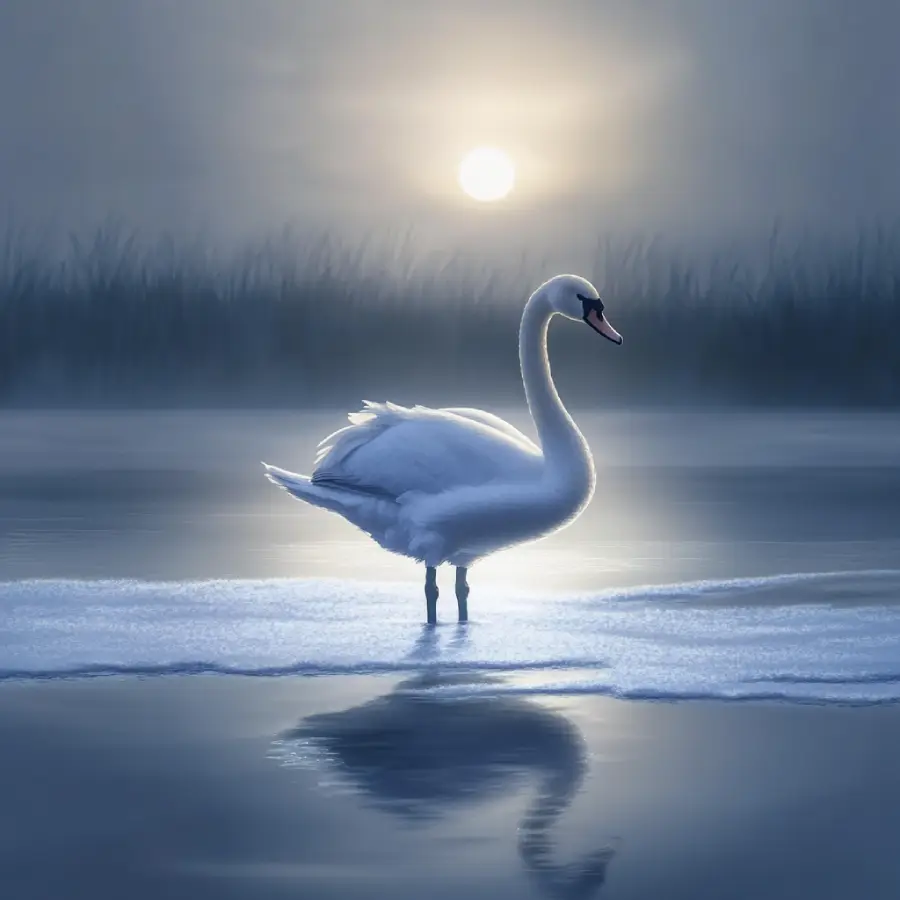
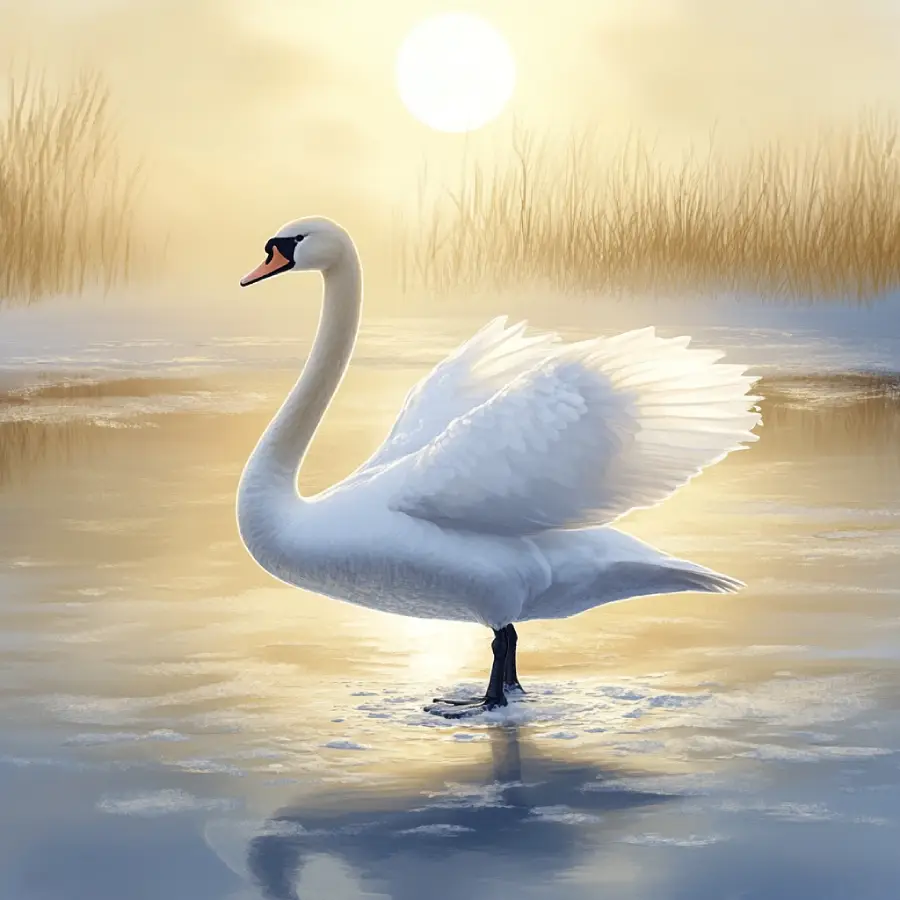
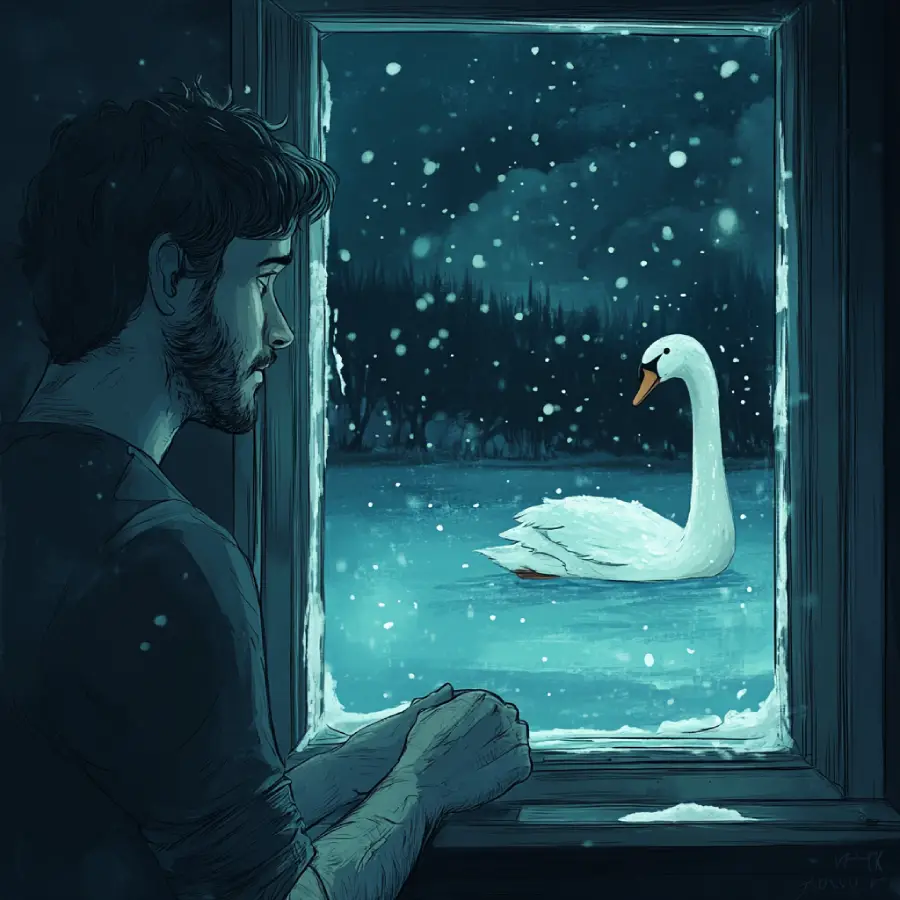
    A single white swan, standing in the middle of the frozen surface, motionless. Not gliding, not swimming. Just there, balanced on a thin crust of ice. And somehow, impossibly, she looked composed.

    Grace Without Movement

    I stood at the edge of the lake, watching. The swan didn’t move, and yet the silence felt full of tension.

    The ice beneath her didn’t seem thick enough to hold her weight. A few meters away, dark water crept at the edges, slowly thawing, slowly threatening. Yet she stayed exactly where she was, wings tucked, head high, eyes steady.

    It hit me then, she wasn’t frozen in fear. She was still in a choice. Her stillness wasn’t panic. It was poise.

    The Power of Choosing Stillness

    I thought about how I handle uncertainty. I rush. I fix. I fill the silence with noise, decisions, distractions, anything to avoid the discomfort of not knowing.

    But this swan was teaching something else entirely: that there’s a kind of strength in stillness. A confidence in holding your ground, even when it feels like the surface beneath you could crack.

    She wasn’t waiting to be saved. She wasn’t searching for solid footing. She was simply present, a picture of calm on a surface that should have made her falter.

    And in that moment, I wanted to be more like her.

    When Life Asks You to Balance

    Eventually, she moved. Not suddenly, not out of fear, just a gentle, fluid step forward, barely causing a ripple in the fragile ice. One foot. Then the other. Measured. Mindful.

    She walked toward the edge of the lake, where the sun was beginning to touch the ice. And then, with no drama, she slipped into the water and floated away.

    No applause. No grand lesson. Just movement, once the time was right.

    And I realised: she had never been stuck. She had simply been waiting with grace.

    Carrying the Lesson Forward

    That image has stayed with me. Whenever life feels uncertain, when the ground beneath me feels like it might give way, I think of the swan. Not flapping. Not fleeing. Just breathing.

    We don’t always need to move fast. Sometimes we just need to stay still long enough to trust that the next step will appear.

    And when it does, we move, not because we’re ready, but because we’re calm.

  • The Moth in the Candlelight – How a Silent Dance Taught Me to Recognise What Truly Lights Us Up

    The Moth in the Candlelight – How a Silent Dance Taught Me to Recognise What Truly Lights Us Up

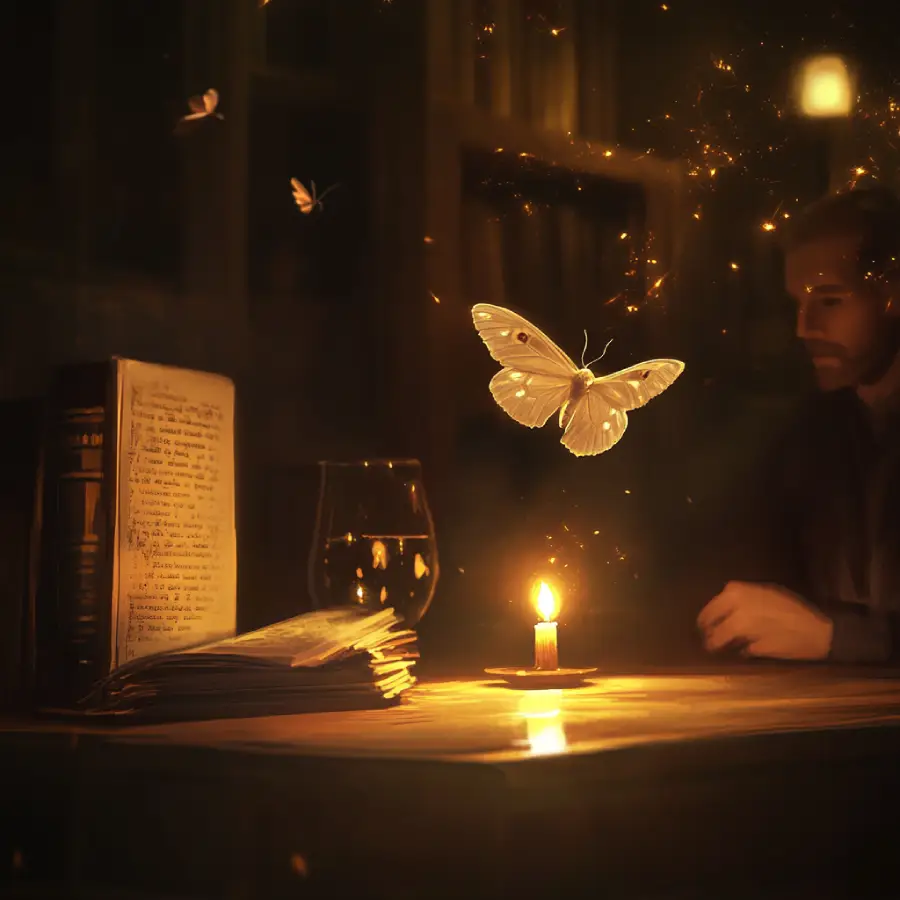
    It was a quiet evening, the kind that almost feels staged: soft music, a flickering candle, a glass of red wine, and the hum of a world finally slowing down. I was halfway through a novel I wasn’t really reading when it appeared.

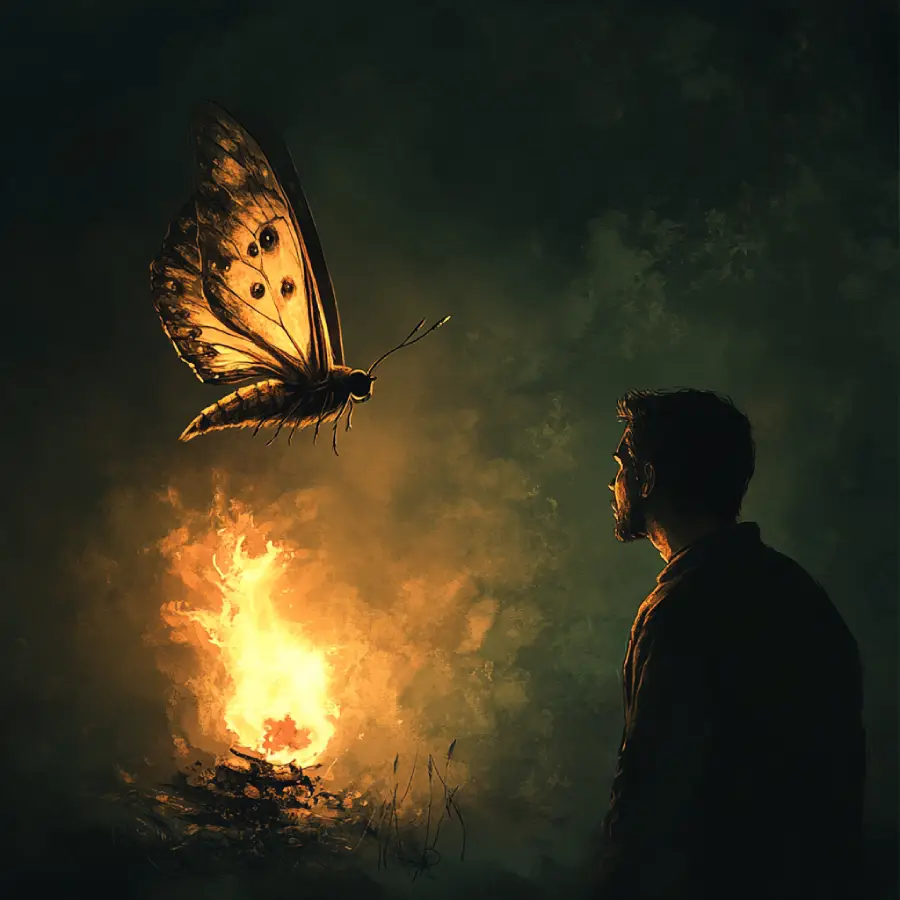
    A moth, pale and frantic, was circling the candle on my desk with a kind of obsessive grace. It moved like it was in love with the flame.

    The Dance of Attraction

    The moth didn’t just flutter past; it returned again and again, spiralling in toward the candle’s warm, golden center. There was a kind of desperation to it, a pull too strong to resist.

    It reminded me of someone. No, something. The patterns I kept repeating. The people I kept choosing. The way I confused intensity with connection, danger with depth.

    I watched it move closer with each pass, wings catching heat they weren’t meant to hold. And still, it kept returning.

    Beauty That Burns

    The candlelight was beautiful, soft, steady, mesmerising. It made the room glow, made everything look more romantic than it really was. But it was fire, after all.

    The moth didn’t seem to care. It brushed the flame once, too close, and pulled back mid-flight. Singed, maybe. But not enough to stay away.

    I felt a pang of recognition. How many times had I done the same? Touched what I knew would hurt, just because it shimmered with promise? I thought of past loves. Certain choices. Late-night texts I shouldn’t have answered. The ache of wanting something that looked like comfort but always came at a cost.

    The Moment It Stopped

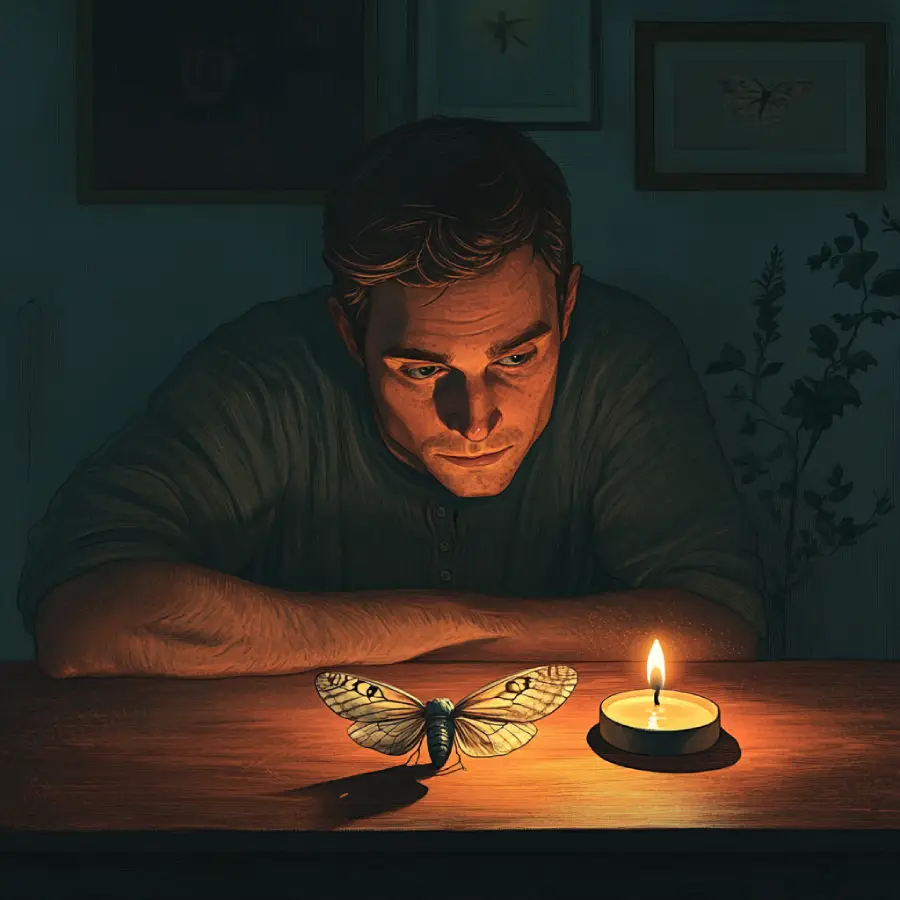
    Eventually, the moth fell. Gently, silently, onto the edge of the table. It twitched once and lay still, just inches from the flame it had chased so relentlessly.

    I blew out the candle. Not out of guilt, but something closer to understanding. I couldn’t help the moth, but I could see myself more clearly in its struggle than I ever had in a mirror.

    It wasn’t weakness that drew it in; it was longing. And longing, when left unchecked, will always search for light, even when it burns.

    Learning to Choose the Moon

    Since that night, I’ve thought a lot about the things that draw me in. The people. The patterns. The beautiful distractions I mistake for meaning.

    Not all light is meant to be followed.
    Some of it consumes.
    Some of it is only lovely from a distance. Now, when I feel that familiar pull, I ask myself: Is this a flame, or is it the moon?
    One will burn me. The other will simply let me see.

  • The Bear in My Dream – How a Symbolic Animal Taught Me to Face My Fears with Presence

    The Bear in My Dream – How a Symbolic Animal Taught Me to Face My Fears with Presence

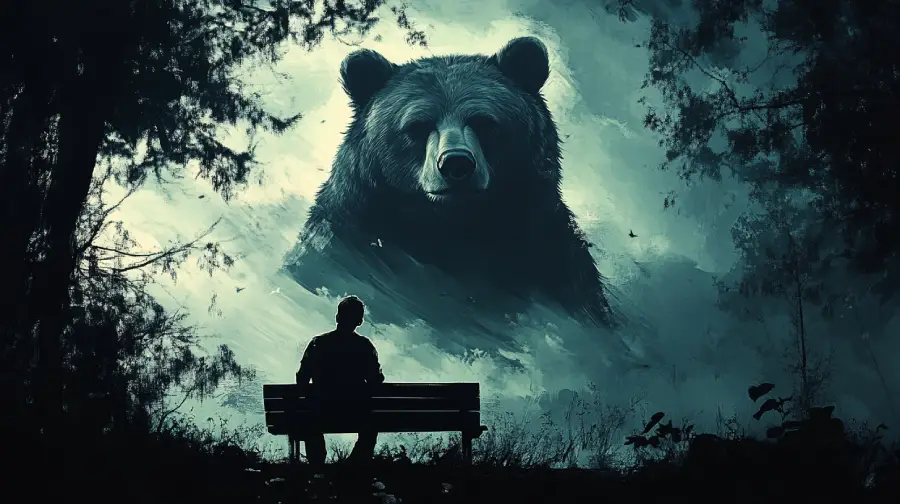
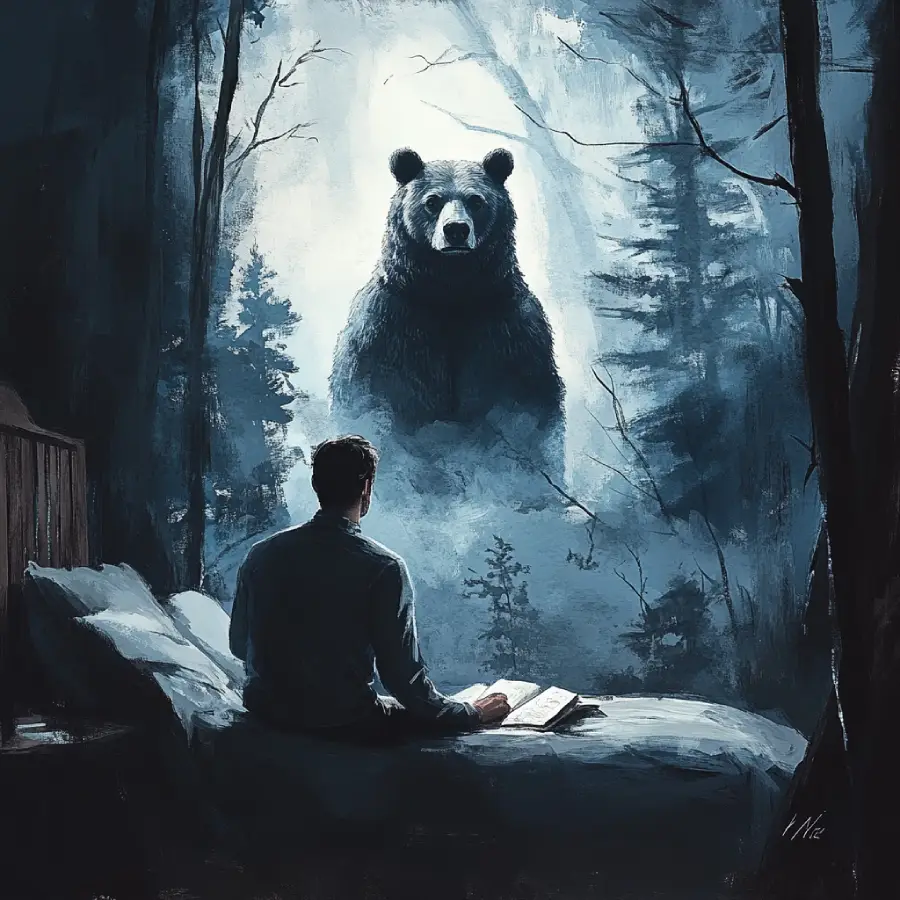
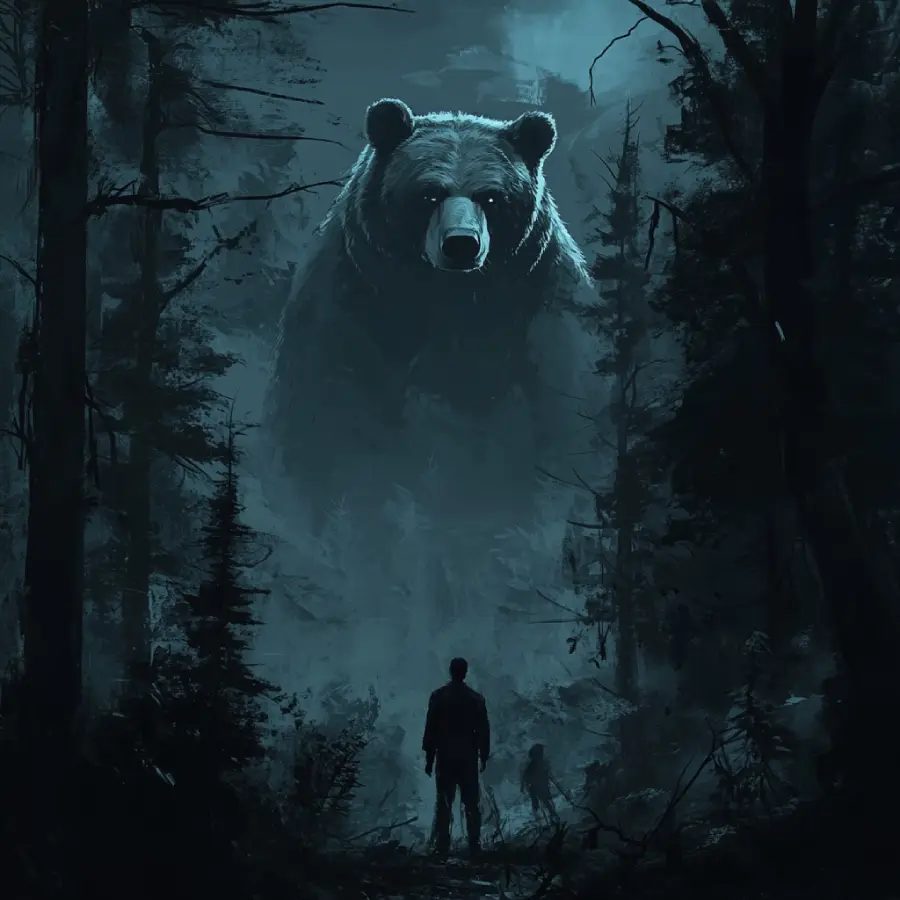
    It started with the sound of breathing. In the dream, I was deep in a forest, dense, green, and strangely familiar, though I had never been there before. The air felt thick, not with danger exactly, but with expectation. I couldn’t see it at first, but I knew something was watching me.

    Then I heard it: slow, steady breathing. Not threatening. Just present. Close. And when I turned, I saw the bear.

    More Shadow Than Threat

    It was massive, shoulders like boulders, fur dark as wet earth, eyes black and unblinking. It didn’t charge. It didn’t growl. It just stood there, twenty feet away, as if it had been waiting for me to arrive. I wanted to run. Every instinct screamed move. But my feet wouldn’t cooperate.

    So I stood, locked in a silent standoff with a creature that radiated power, patience, and something else I couldn’t name.

    Then it began to walk toward me. Slowly. Deliberately. And I woke up.

    When Dreams Speak Louder Than Thoughts

    The dream returned, again and again, over the next few weeks. Always the same forest. Always the same bear. Each time, it got a little closer. And each time, I woke up before it could reach me.

    It haunted me in the daylight. I’d find myself distracted in meetings, hearing the crunch of leaves in my mind. I started reading about dream animals, archetypes, and symbols. Bears, it turned out, were often messengers of fear, protection, and transformation.

    That’s when it hit me: I wasn’t dreaming about a bear. I was dreaming about a part of myself I’d been avoiding.

    Facing the Fur-Clad Fear

    The bear wasn’t chasing me. It wasn’t hunting me. It was waiting to be acknowledged.

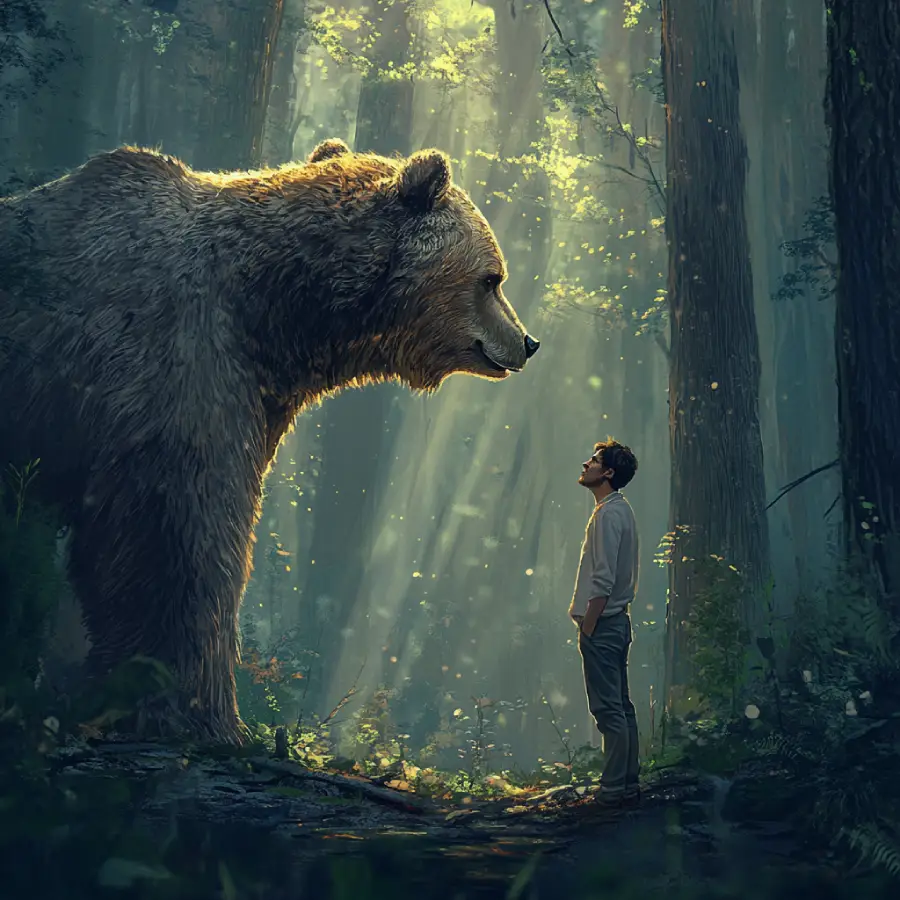
    The fear I carried of change, of loss, of being truly seen, had taken the shape of a silent creature in the woods. And in my dream, I had done something I never did in waking life: I stood still and faced it. Eventually, I stopped fearing the dream. I started meeting the bear with curiosity. And the last time I saw it, I didn’t wake up. I reached out a hand.

    And it bowed its great head, just once, like a quiet nod between old friends.

    The Wild Things We Carry

    I haven’t dreamed of the bear since. But I feel its presence sometimes, when I pause before a hard conversation, when I step into something unknown, when I stop running from the things I fear most.

    It taught me that not all fear is meant to be defeated. Some of it is meant to be understood. Sat with. Walked alongside.

    Because when fear wears fur, it’s not always the predator. Sometimes, it’s the part of you that’s been trying to protect you all along.

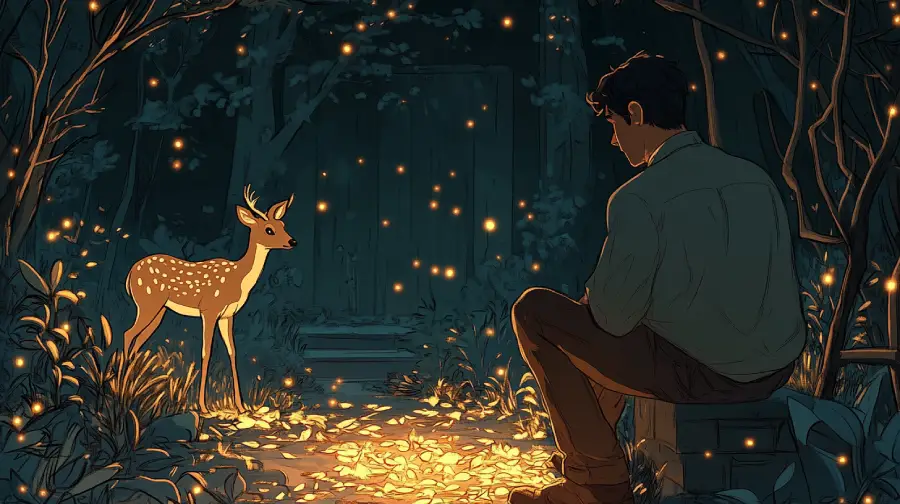
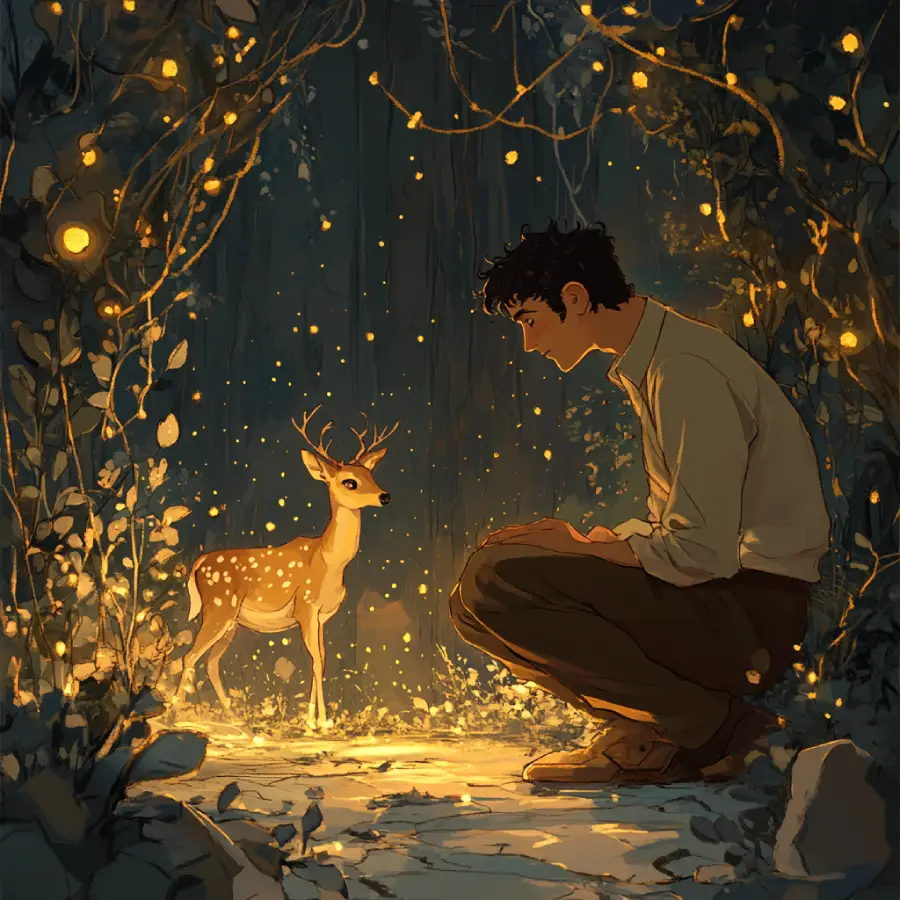
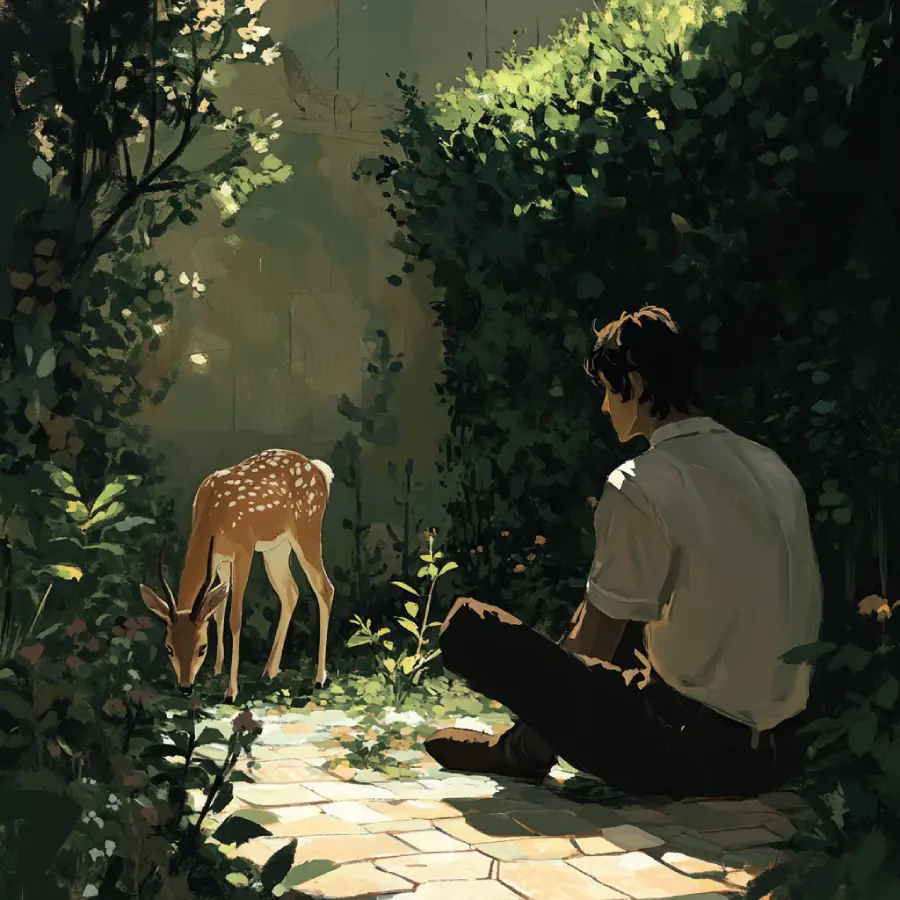
  • The Injured Deer in the Garden – A Quiet Lesson in Presence, Pain, and Healing

    The Injured Deer in the Garden – A Quiet Lesson in Presence, Pain, and Healing

    It was early spring when I found her. The garden had just started waking up after a long, bitter winter. I was trimming back the frost-damaged stems of the lavender bush when I saw movement, barely noticeable, soft and slow.

    At the edge of the hedgerow, partially hidden by ivy, was a deer. Her hind leg was twisted unnaturally, clearly injured. Her eyes met mine. Wide. Alert. Not pleading, just aware. She didn’t run. She couldn’t.

    A Pause in the Noise

    The world outside the garden was rushing. The news was loud, work was relentless, and my thoughts rarely stood still. But in that moment, something shifted.

    I knelt down, keeping my distance. She stayed perfectly still, breathing hard but quietly. The kind of silence that demands attention, not empty, but full of meaning.

    She didn’t need saving in the way I first thought. There was no dramatic rescue to be had. Just presence. Just patience. And so, I sat. Not for her comfort, really, but for mine.

    What the Deer Revealed

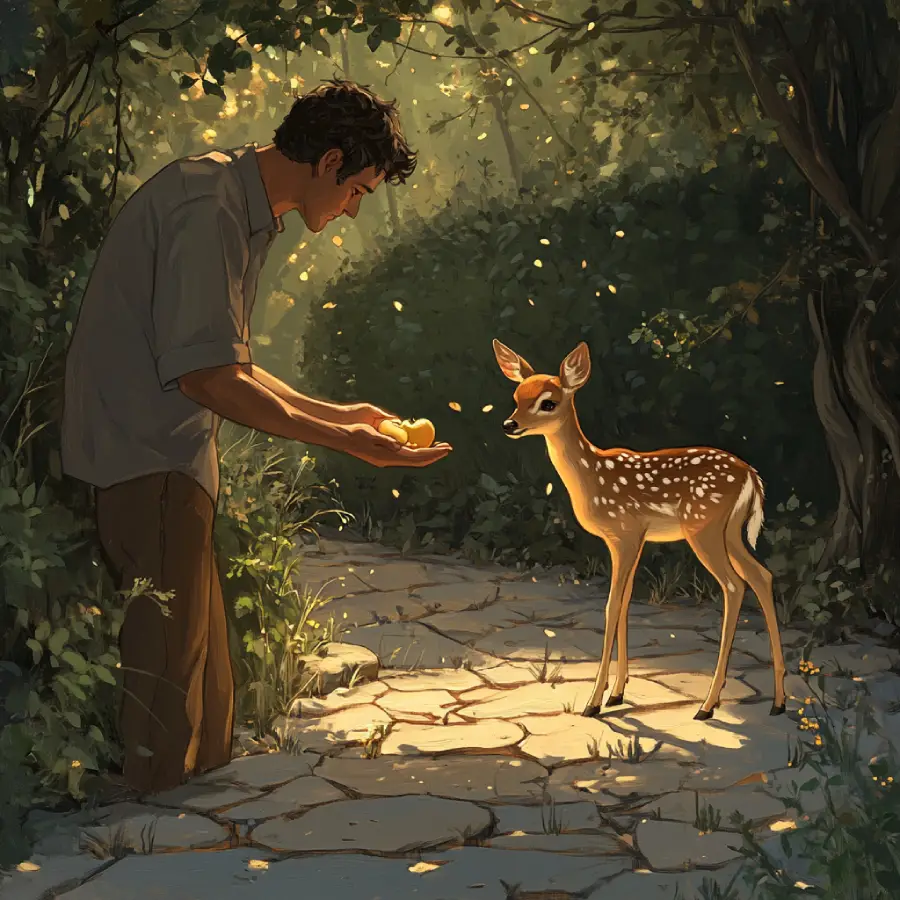
    Over the next few days, she remained, eating slowly, resting, watching. I brought out shallow bowls of water and left apples by the edge of the garden path. She accepted what she needed and ignored the rest.

    Her injury hadn’t made her weak. It had made her careful, deliberate. And in watching her, I realised how hard I’d been pushing through my own pain, emotional, not physical, but wounding all the same.

    I hadn’t allowed myself stillness. Hadn’t granted myself space to limp, to rest, to recover. Watching her, I saw what real healing looked like: slow, vulnerable, and unashamed.

    The Beauty of Being Seen

    On the fourth morning, she was gone. No struggle, no sign of where she’d gone, just a few delicate hoofprints leading back into the woods. But she had left something behind.

    A sense of softness in the space where she had rested. A reminder that being wounded is not the same as being broken. That being seen in a moment of weakness doesn’t diminish us; it connects us.
    I returned to my own life a little different. A little slower. A little kinder toward the aching parts of myself.

    Letting the Lesson Linger

    Now, when the garden is quiet, I sometimes look toward that corner, half-hoping to see her again.

    But I don’t need to. Because she taught me what I most needed to remember: that there is strength in staying still, in accepting help, in showing up exactly as you are, even when you’re hurting.

    And that sometimes, life sends messengers with fur and bruises, not to be fixed, but to reflect something back to us we’ve been too afraid to see.