Tag: emotional healing through animals

  • The Kingfisher Who Dived for Truth

    The Kingfisher Who Dived for Truth

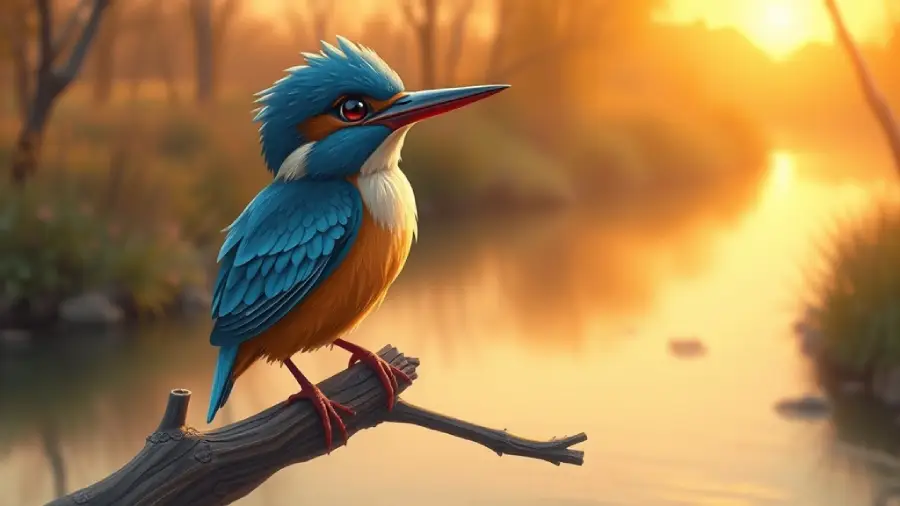
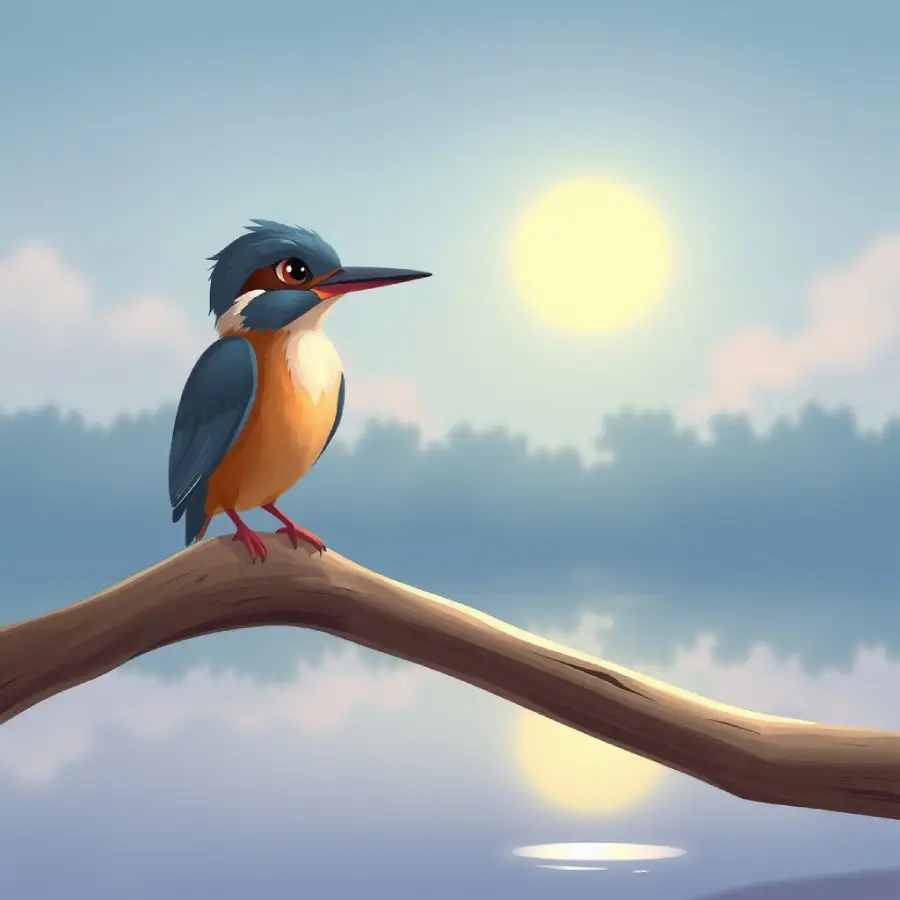
    Hi, I’m Koda. I’m a kingfisher, sharp eyed, sky dancer, and a champion of the dive. I perch high and still, then plunge headfirst into the unknown. Not for fish (okay, also for fish), but for clarity. For truth.

    People think answers float to the surface. Nope. You’ve got to dive for them.

    Here are my 3 river-tested, feather-approved rules for seeking truth:


    1. Sit Still First

    Before I dive, I pause. I watch. I wait. The world reveals its secrets to the patient. If you’re always flapping, you’ll miss what’s right below the surface.


    2. Go Deep

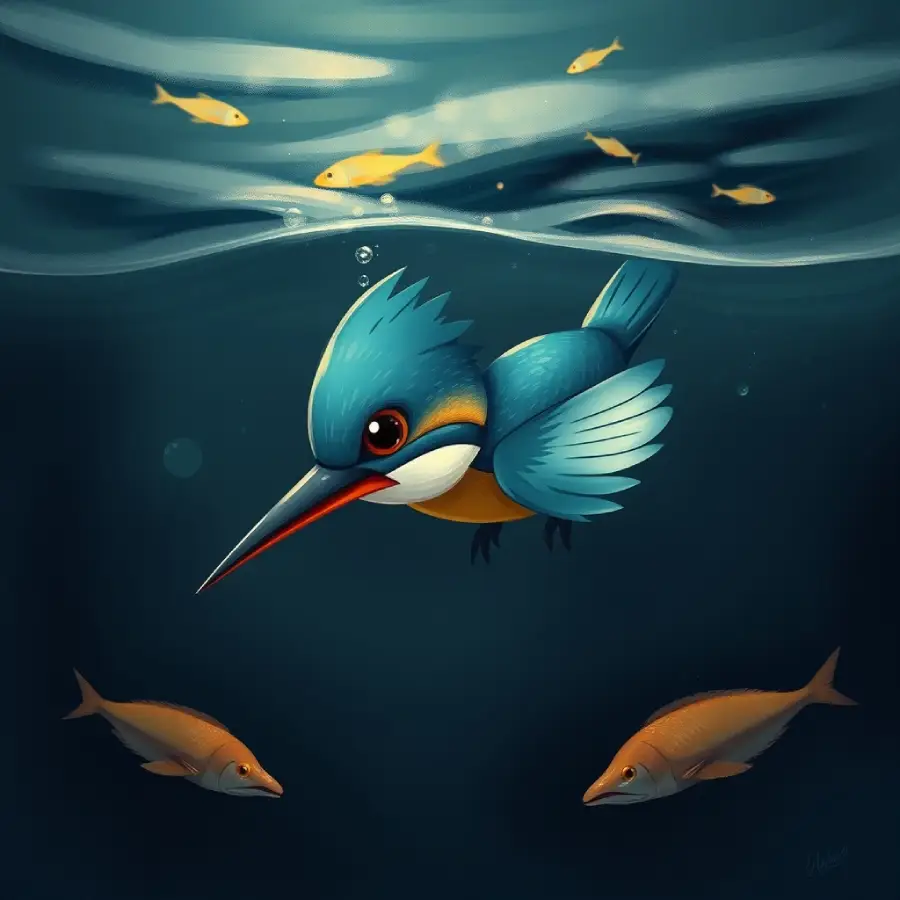
    Easy answers skim the top. Real understanding? It’s down where it’s murky. Don’t be afraid to get uncomfortable. Dive into the hard questions. That’s where insight lives.
    3. Come Up Light

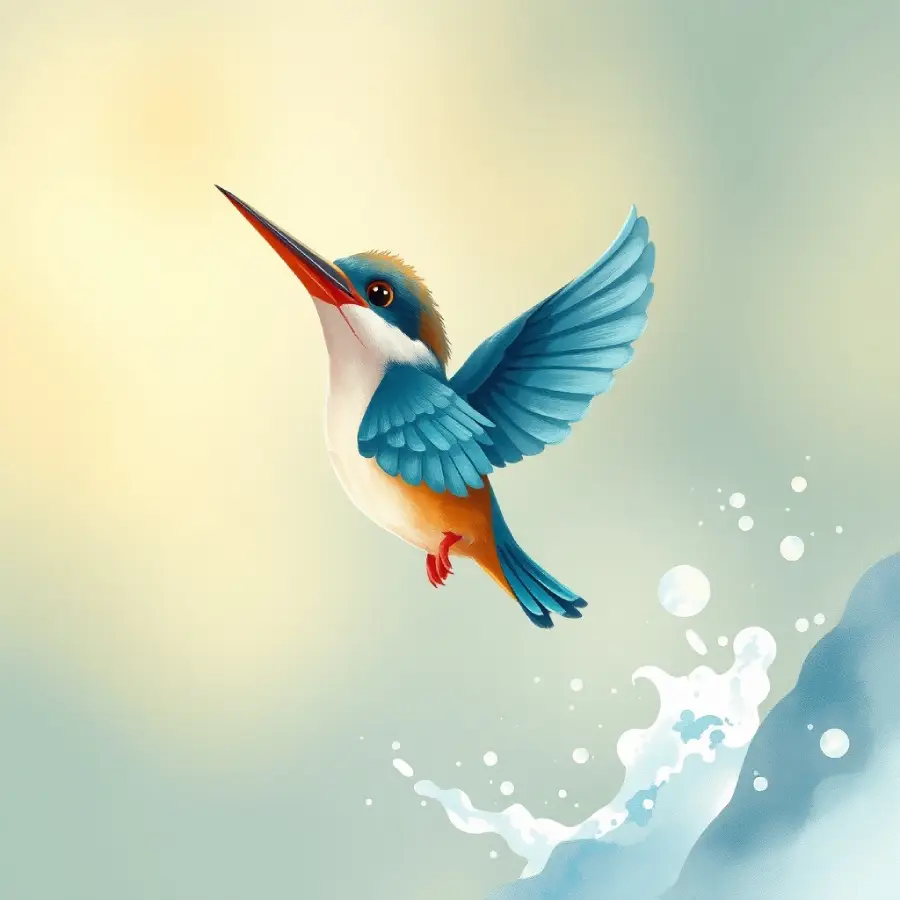
    Don’t carry the weight of every discovery. Take what you need, then rise again. Clarity shouldn’t drag you down, it should lift you. Learn, let go, and keep flying.


    Final Thought from Koda

    Curiosity is a muscle. The more you use it, the clearer the water becomes. So today, perch high, look deep, and don’t be afraid to dive.

    Because truth? It’s not always obvious. But it’s always worth the plunge.


  • The Mysterious Cat Who Left Dead Flowers – What Her Silent Visits Taught Me About Grief and Release

    The Mysterious Cat Who Left Dead Flowers – What Her Silent Visits Taught Me About Grief and Release

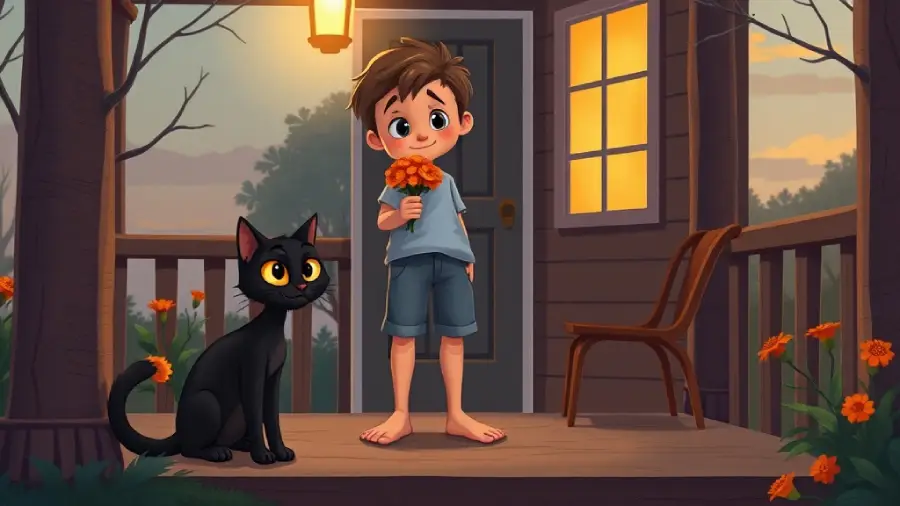
    It started in late October, the kind of season when everything feels like it’s about to end. I found the first one on my doorstep: a wilted marigold, browned and broken at the stem, curled like it had held something too long.

    Next to it sat a cat. Black as spilled ink, with a single white streak on its chest like a smudge someone had tried to rub away. It didn’t meow, didn’t approach, just watched me with the calm of something older than it looked. Then it vanished. No sound. Just the flower left behind.

    A Pattern of Mourning

    The flowers kept coming. Always dead. Sometimes daisies, sometimes roses stripped of their petals. Once, a cluster of lavender, crumbling to dust before I could pick it up. The cat was always there, always silent, always gone before I could reach for it.

    I didn’t tell anyone. It felt too strange, too specific, like the kind of omen people mock until it’s about them. At first, I tried to make sense of it. Was it a gift? A warning? A joke from the universe? But the truth settled in more quietly: it felt like grief. Not mine exactly, but something near it. Something watching the shape of my sorrow and answering with its own.

    Things I Never Buried

    The cat reminded me of someone I used to know. Someone who left without saying goodbye, who gave me closure in the form of silence. They had a way of arriving when I needed them and disappearing just as suddenly, like a ghost who believed they were doing me a favor by leaving.

    The flowers, brittle and quiet, became mirrors. I started seeing myself in them, the parts of me I’d let go of too late, the relationships I’d stayed in too long. The promises I made in desperation and never kept.

    Every dead bloom felt like a confession I hadn’t made out loud.

    The Last Visit

    One morning, it stopped. No flower. No cat. I stood there, coffee cooling in my hands, waiting longer than I needed to. Not because I missed the strangeness, but because part of me had come to rely on it, on that soft ritual of mystery, that unspoken understanding between a broken creature and whatever part of me had gone quiet.

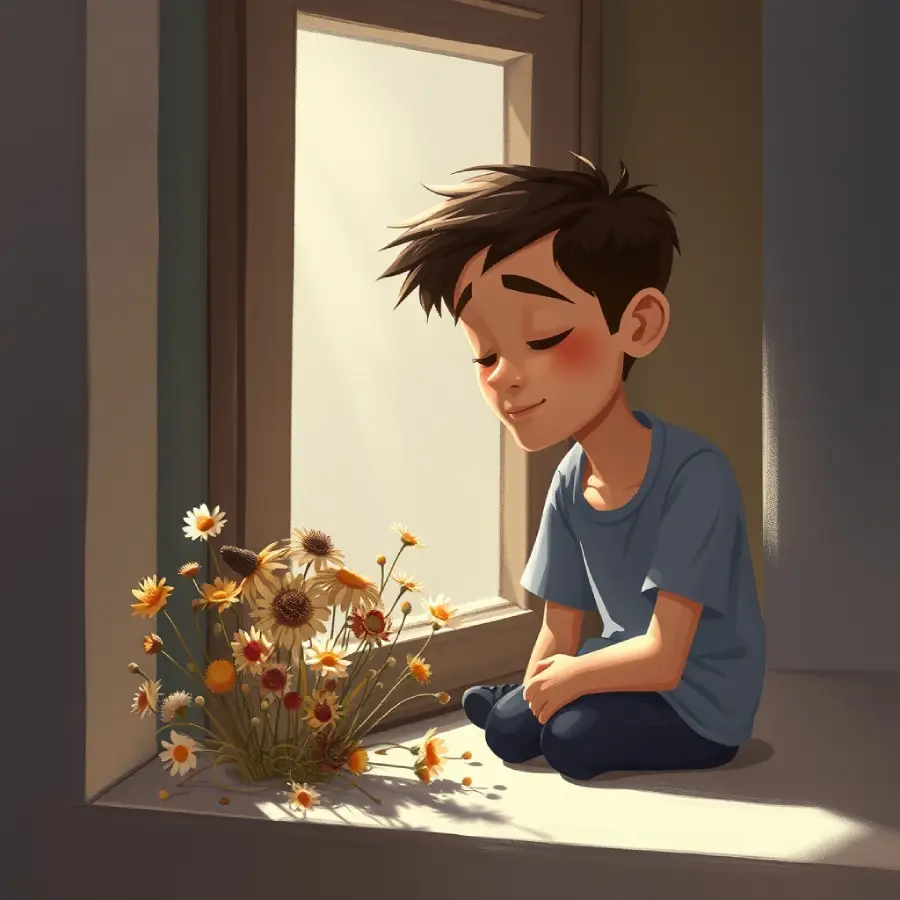
    The absence didn’t ache. It just felt… acknowledged. That night, I threw out the last brittle bouquet I’d been saving on the windowsill. And for the first time in months, I dreamed of nothing.

    Sometimes, the dead things we keep aren’t haunting us. They’re reminding us it’s okay to let go.

  • The Goose Who Followed Me Home One Winter Night – A Quiet Tale of Presence, Solitude, and Unspoken Connection

    The Goose Who Followed Me Home One Winter Night – A Quiet Tale of Presence, Solitude, and Unspoken Connection

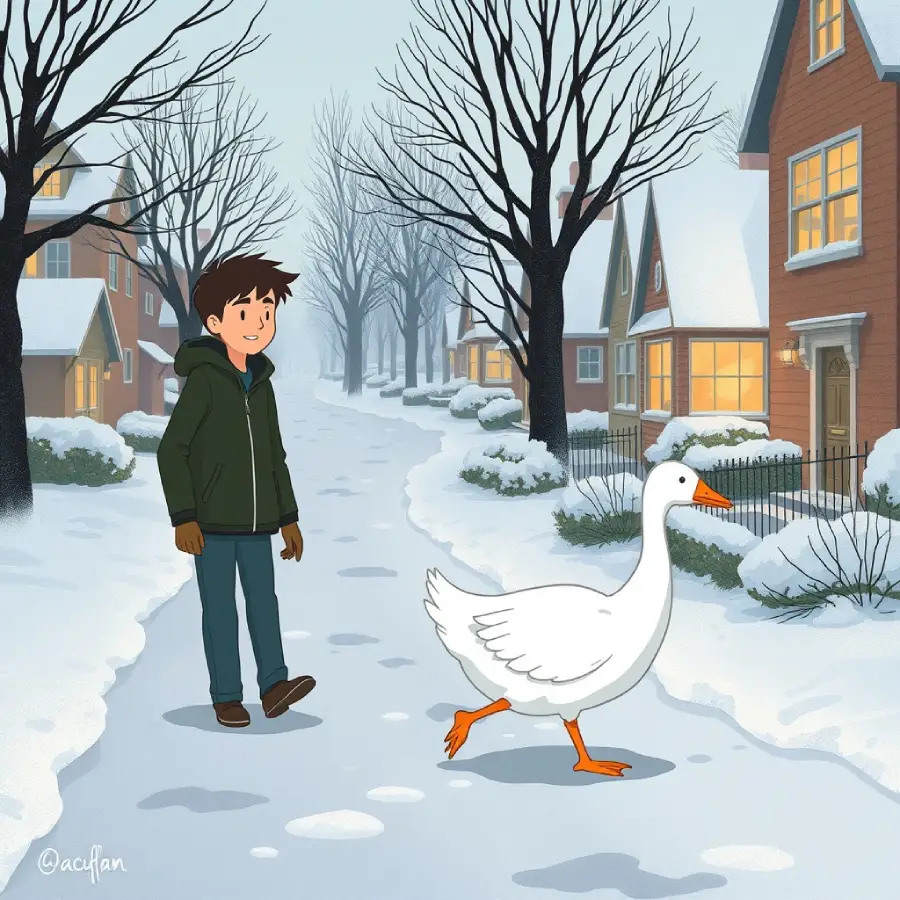
    It was snowing, that light kind of snow that feels more like memory than weather. The streets were empty, save for the hum of distant traffic and the occasional crunch of my boots on salted concrete. I had stayed too long somewhere I didn’t belong, again, and was walking home in silence that didn’t feel peaceful. Just necessary.

    That’s when I saw it. A lone goose, standing beneath a streetlamp like it was waiting for someone. Its feathers puffed against the cold, its eyes unbothered. It looked at me, then began to follow.

    Strange Companionship

    At first, I thought it was coincidence. That it would stop once I passed. But it didn’t. It waddled behind me, slowly, calmly, with something like purpose. A strange kind of companionship formed in the hush between us. Block after block, we walked. No sound but our footprints, no conversation but the quiet rhythm of two beings neither lost nor exactly found.

    It was absurd, of course, a goose, following a stranger home. But I didn’t question it. Not really. I was too tired to resist being seen by something that didn’t expect me to explain myself.

    What We Carry Home

    I unlocked the front door and paused. The goose waited on the sidewalk, not trying to enter, just watching. I felt an odd mix of guilt and comfort, the kind that shows up when someone, anything, witnesses you in your aloneness without trying to fix it.

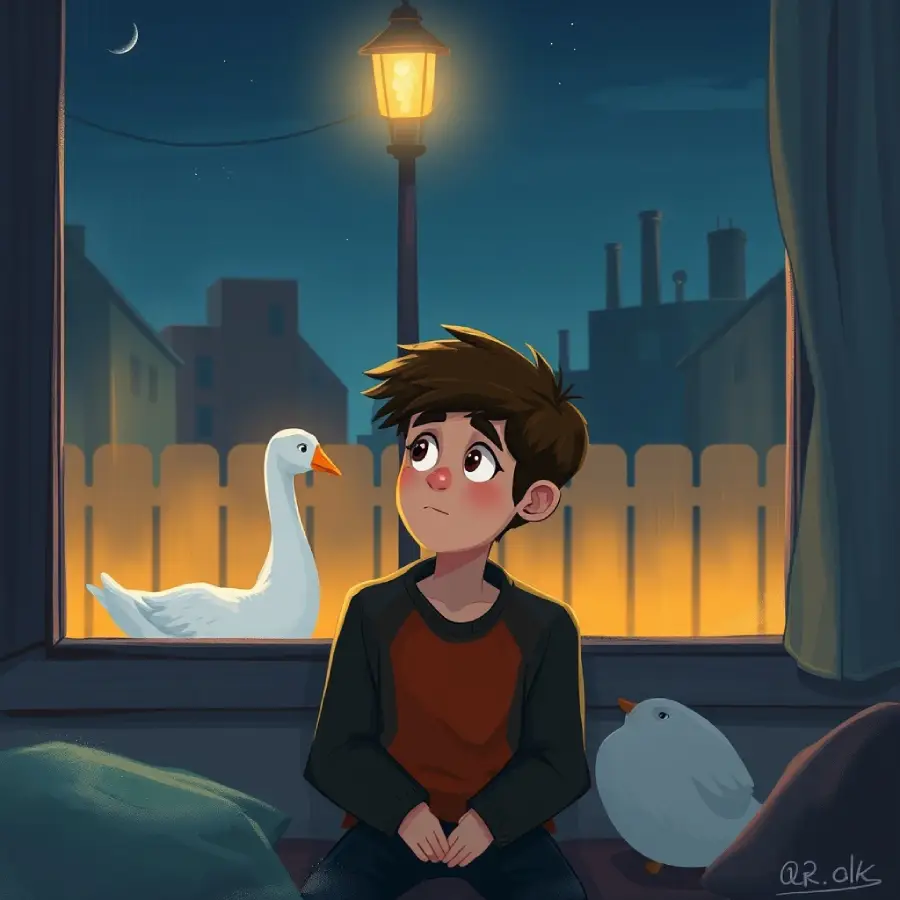
    I poured a glass of whiskey. Sat by the window. Watched it settle in the snow outside, neck tucked under wing, completely still. It didn’t ask for warmth, didn’t force its way in. Just stayed. It reminded me of people I’d pushed away. The ones who stayed nearby even when I closed the door. The ones I didn’t know how to let in, or didn’t think I deserved to. It reminded me of how solitude sometimes becomes armor, and how silence can feel safer than the risk of being loved.

    Leaving Without Goodbye

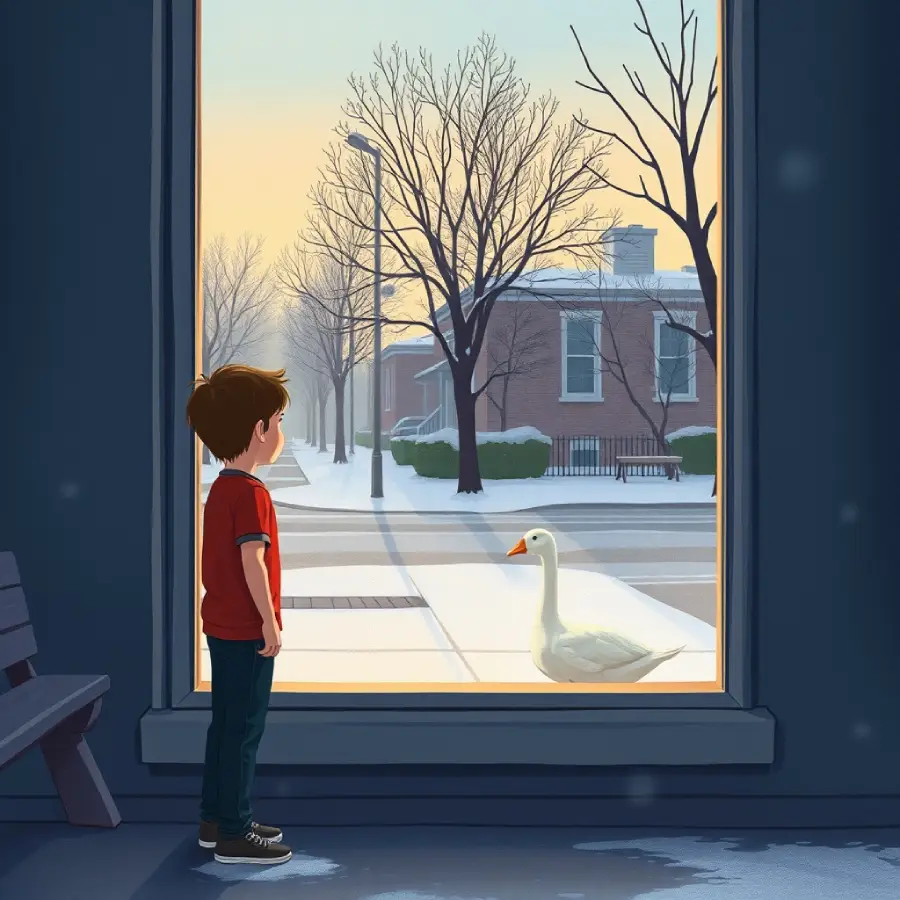
    In the morning, the goose was gone. No sound of wings, no evidence in the snow, just absence, the kind that echoes. I stood at the window longer than I needed to, as if it might reappear, as if some part of me wanted one more look.

    But maybe that was the point. Some things come not to stay, but to show you that you’re not as alone as you think. That even a goose, in the dead of winter, might choose to walk beside you for a while.

    Not every companion is meant to live with you. Some just remind you how to be with yourself again.

  • The Parrot Who Stopped Speaking

    The Parrot Who Stopped Speaking

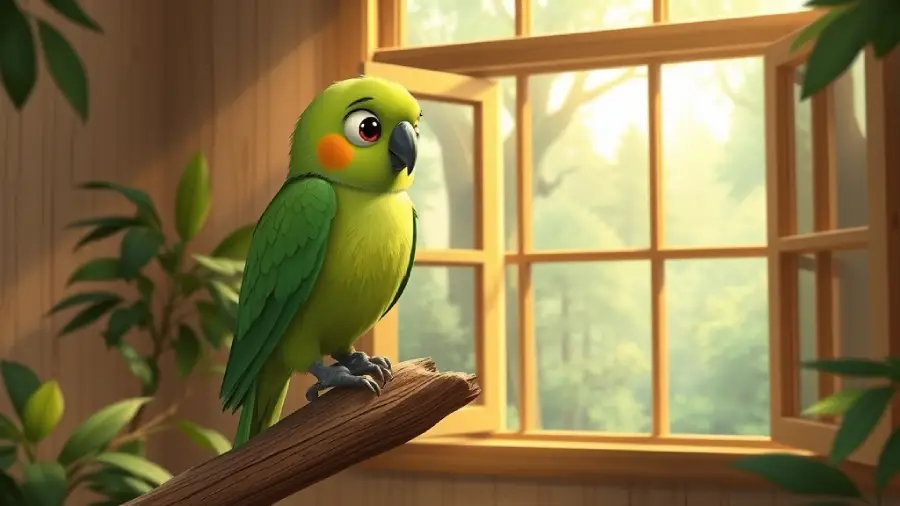
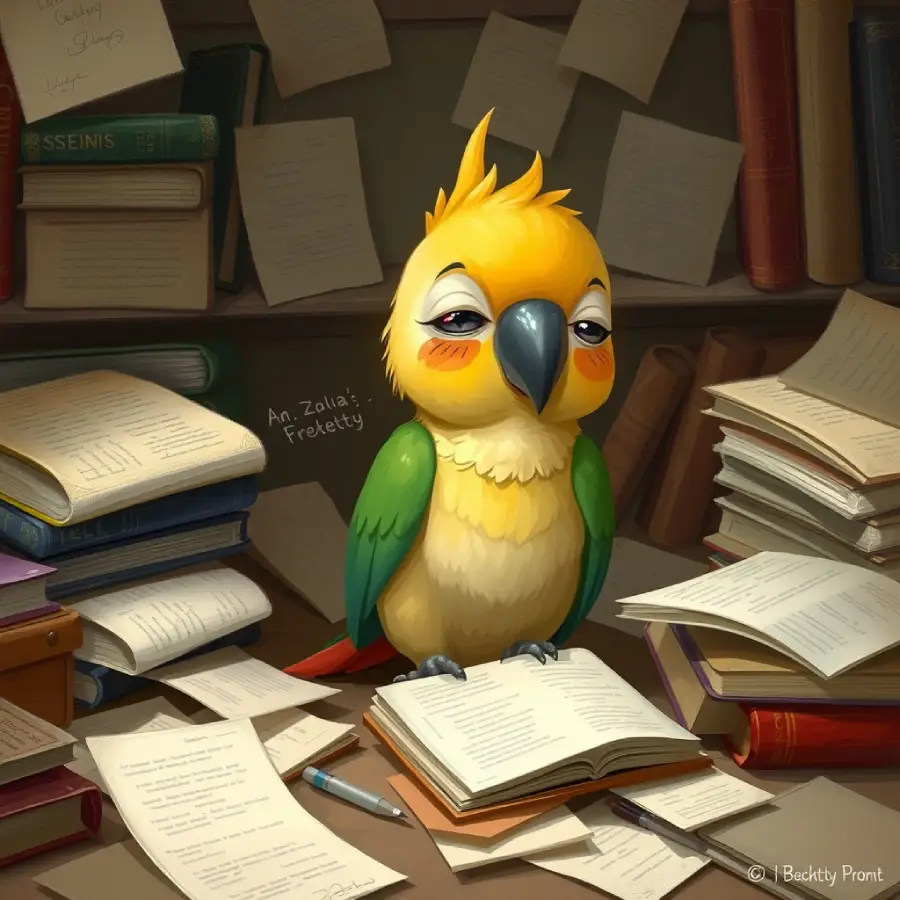
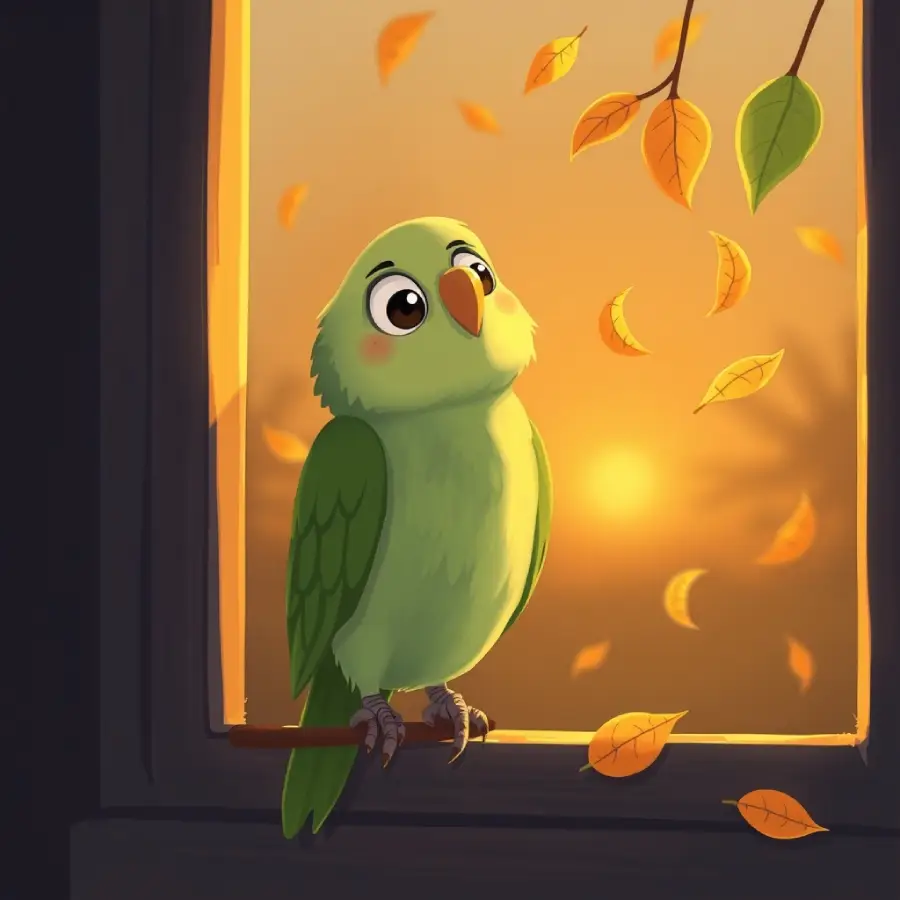
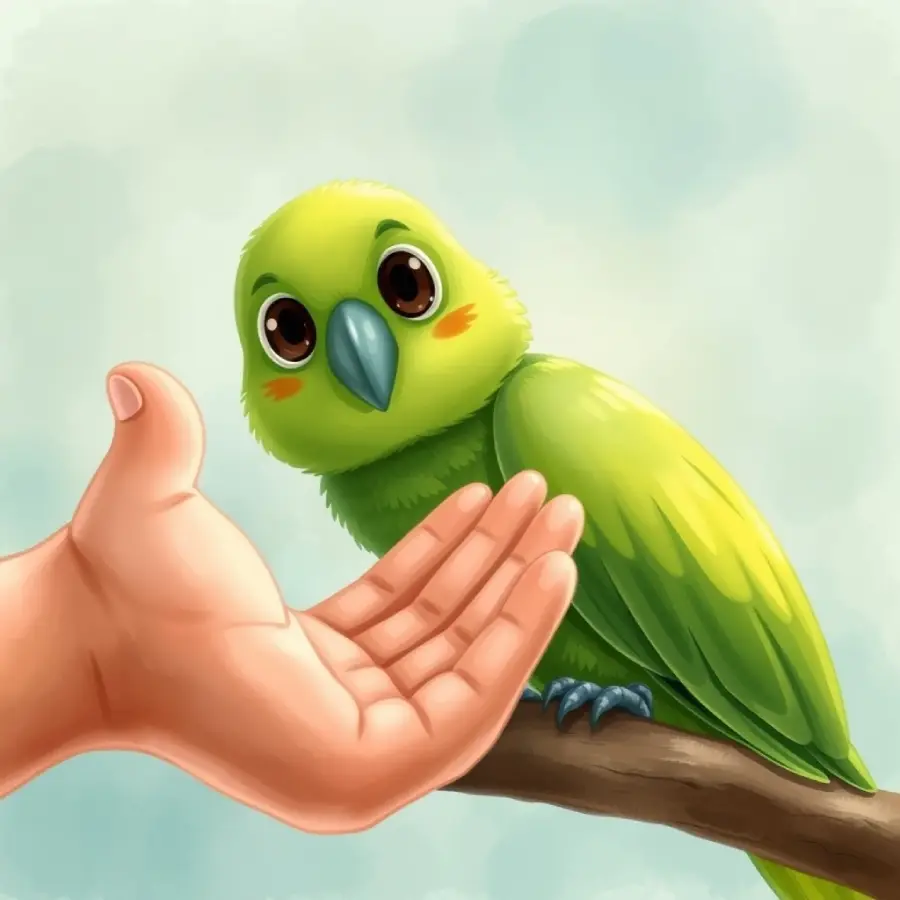
    Hi, I’m Petra the Parrot. Once upon a time, I was the life of the party. I could mimic anything, laughter, lectures, even a convincing cough. But one day, I forgot the words. Not all at once. Just slowly… syllables slipped away like feathers in the wind. At first, I panicked. Then I listened.

    Here are my 3 parrot-tested, cage-free rules for losing your voice and still finding yourself:


    1. Silence Isn’t Emptiness

    At first, the quiet felt like failure. But in the hush, I started to hear everything else, the breeze, the breath between thoughts, the meaning in what’s unsaid. Sometimes, silence isn’t absence. It’s presence, patiently waiting.


    2. You’re More Than What You Repeat

    I used to echo everyone, words without weight, sound without sense. Losing my voice forced me to stop performing and start noticing. You’re not your clever lines. You’re the one who chooses when to speak.


    3. Connection Doesn’t Always Need Sound

    I thought I needed words to matter. But turns out, a nod, a gaze, a feather ruffle, those say enough. Real connection isn’t about volume. It’s about honesty. And sometimes, the quietest gestures are the loudest truths.


    Final Thought from Petra

    I lost my voice but found my meaning. You don’t have to be the loudest in the room
    to be heard. You just have to be real.

    Because truth? It’s not always spoken. Sometimes, it’s simply felt.


  • The Pelican Who Let Go: How Percy Found Peace

    The Pelican Who Let Go: How Percy Found Peace

    Hi, I’m Percy the Pelican. I’ve got a beak that can hold a small grocery store and a tendency to overpack, emotionally and otherwise. They say pelicans glide gracefully, but let me tell you that grace takes work… especially when your metaphorical baggage is heavier than your wingspan.

    Here are my 3 pelican-tested, ocean-breeze-approved rules for lightening your load :


    1. Let Some Things Go Overboard

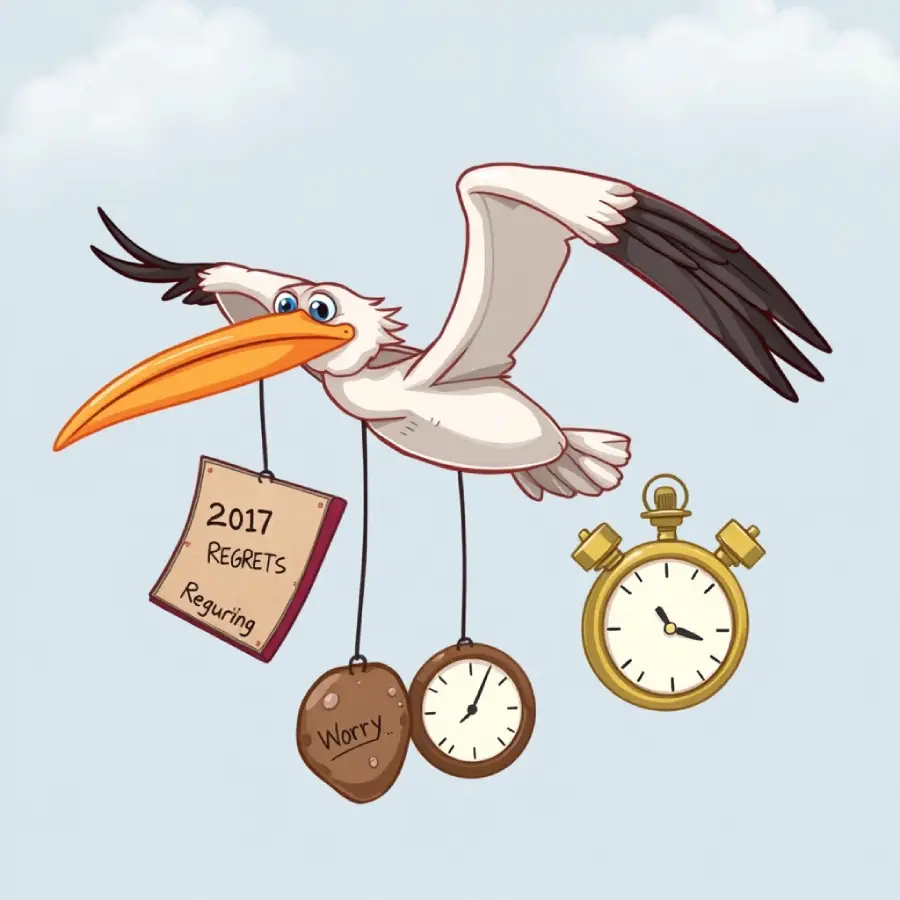
    Not every worry deserves a front-row seat in your brain. That awkward thing you said in 2017? Toss it. The to-do list item that’s been haunting you for months? Maybe it doesn’t need doing. The lighter the load, the smoother the flight.


    2. Don’t Pack “Just In Case” Emotions

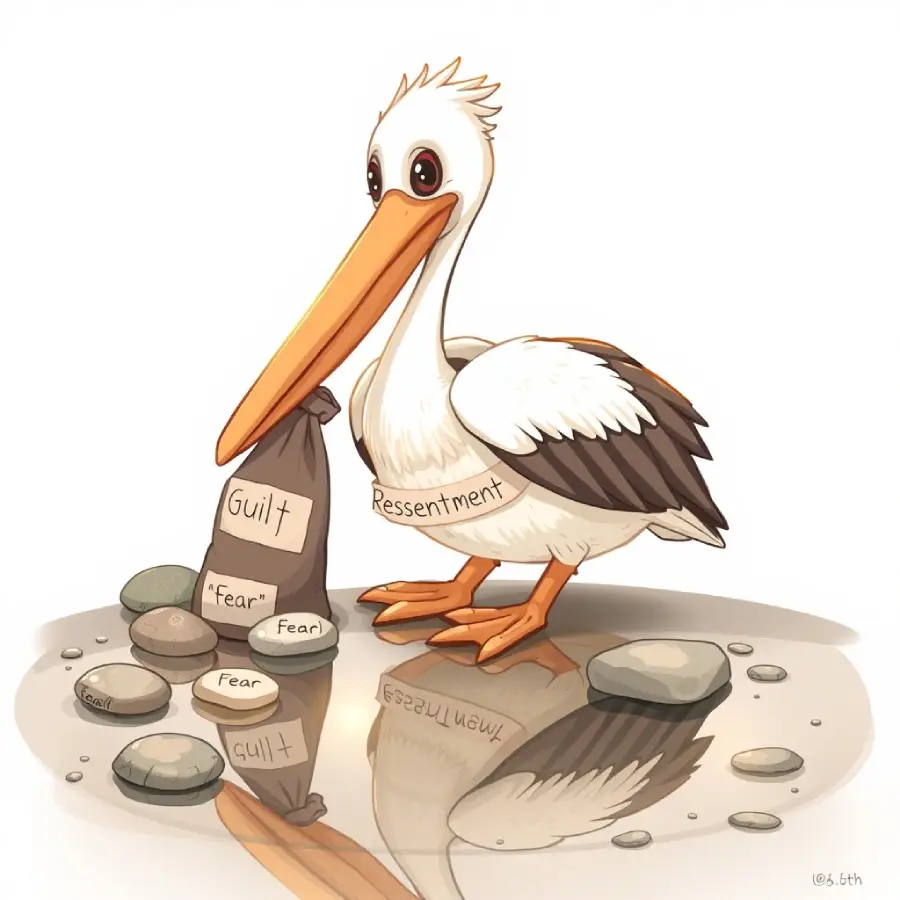
    Guilt, envy, resentment, they sneak into your heart, like emotional souvenirs. “Just in case” you need them later. You won’t. Travel emotionally light. Trust me, peace of mind fits better in your beak.


    3. Float When You Can

    Sometimes, soaring is too much. That’s okay. Float. Drift. Let the current carry you for a bit. Rest isn’t giving up, it’s trusting that the tide knows the way home.


    Final Thought from Percy

    You don’t have to carry it all to get where you’re going.
    Sometimes, the smartest thing a bird can do…
    is unpack.

    Because freedom? It isn’t just wings. It’s knowing when to put something down.


  • The Whale Who Sang at Night – How One Deep Note Helped Me Remember My Own Quiet

    The Whale Who Sang at Night – How One Deep Note Helped Me Remember My Own Quiet

    I wasn’t sleeping much. The noise in my head had grown louder than the world outside it, emails unanswered, deadlines unmet, relationships misfiring in that subtle, unspectacular way that doesn’t make headlines but leaves bruises just the same.

    So I walked. At night, mostly, with a pair of old headphones and a playlist built more from desperation than curation. I wasn’t searching for anything. Just silence that didn’t feel empty. And then, one evening, beneath the low hum of street lamps and the distant hiss of passing cars, I heard it.

    A sound so deep and resonant it didn’t feel like it entered through my ears, but through my bones. It was a whale. Singing.

    Unexpected Encounters: How Nature Finds You Where You Are

    I didn’t remember adding the track. Some field recording, probably, oceanic ambience meant to relax anxious minds. But this was different. This wasn’t background noise. This was deliberate, haunting, mournful. The whale sang long, slow notes that bent time. I stopped walking.

    In the dark, under an indifferent sky, I stood frozen as the sound filled me. And for the first time in weeks, the tightness in my chest loosened, not because anything was solved, but because I didn’t feel so alone.

    I went home and looked it up. A humpback, they said. The recording had been captured miles off the coast, decades ago. A single whale, calling out into the vast blue with no guarantee of reply. And yet, he sang anyway.

    When a Song Knows You: The Healing Power of Unexpected Connection

    Every night after that, I listened to him. Sometimes in bed. Sometimes in the bath. Sometimes, while staring at the ceiling, I wish for answers. I never gave the whale a name, but I spoke to him in my head.

    I told him things I didn’t tell anyone else. About the way I used to write poems before I worried whether they were good. About the person I loved who left quietly, as if they’d never belonged to my story in the first place. About the fear I wore under my clothes, disguised as ambition.

    And the whale? He just kept singing. Long, slow notes. No judgment. No solutions. Just presence. There’s a kind of healing in being met like that, without expectation, without urgency. Just acknowledged.

    Carrying the Song Forward, When You Remember to Breathe Again

    Eventually, the noise in my head softened. Life didn’t change dramatically; there were still deadlines, mismatched conversations, sleepless nights, but something had shifted inside me.

    Now, sometimes when things spin out again, I go walking and I play that same recording. I let the whale sing to me like he did that first night. And I remember: there’s still mystery in the world. Still connected without language. Still, something ancient and kind beneath the surface of everything.
    He never knew I was listening. But he sang anyway. And somehow, that was enough.

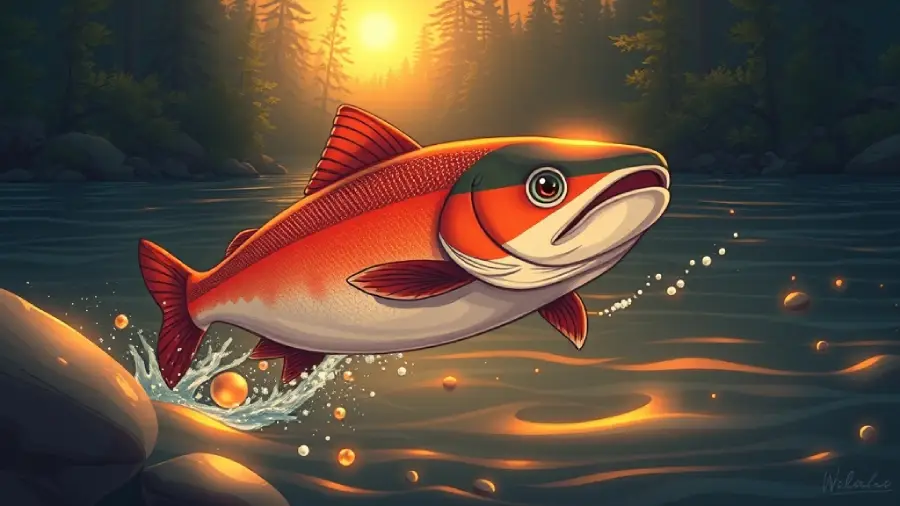
  • Simon the Salmon Who Heard the River

    Simon the Salmon Who Heard the River

    Hi, I’m Simon the salmon, strong fins, upstream dreams. Most creatures think we’re just born to swim against the current. But the truth? We don’t just fight the river… we listen to it.

    The river speaks, if you’re quiet enough. It whispers truths in every twist and turn. Here are my 3 current- tested, instinct-approved lessons from listening deeply:


    1. Trust the Pull

    I didn’t always understand why I swam upstream. It hurt. It was hard. But something deeper guided me. Not logic, instinct. Life will call you places you don’t fully understand. Trust the tug. Your path may be tough, but it’s true.


    2. Flow with Resistance

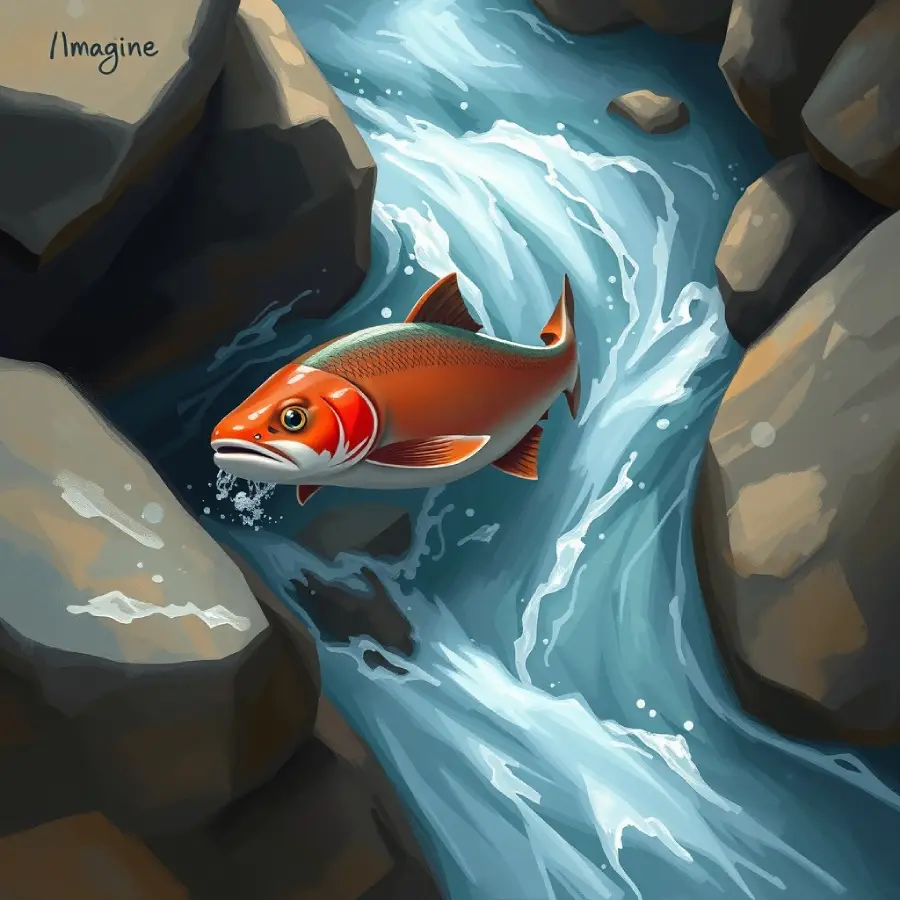
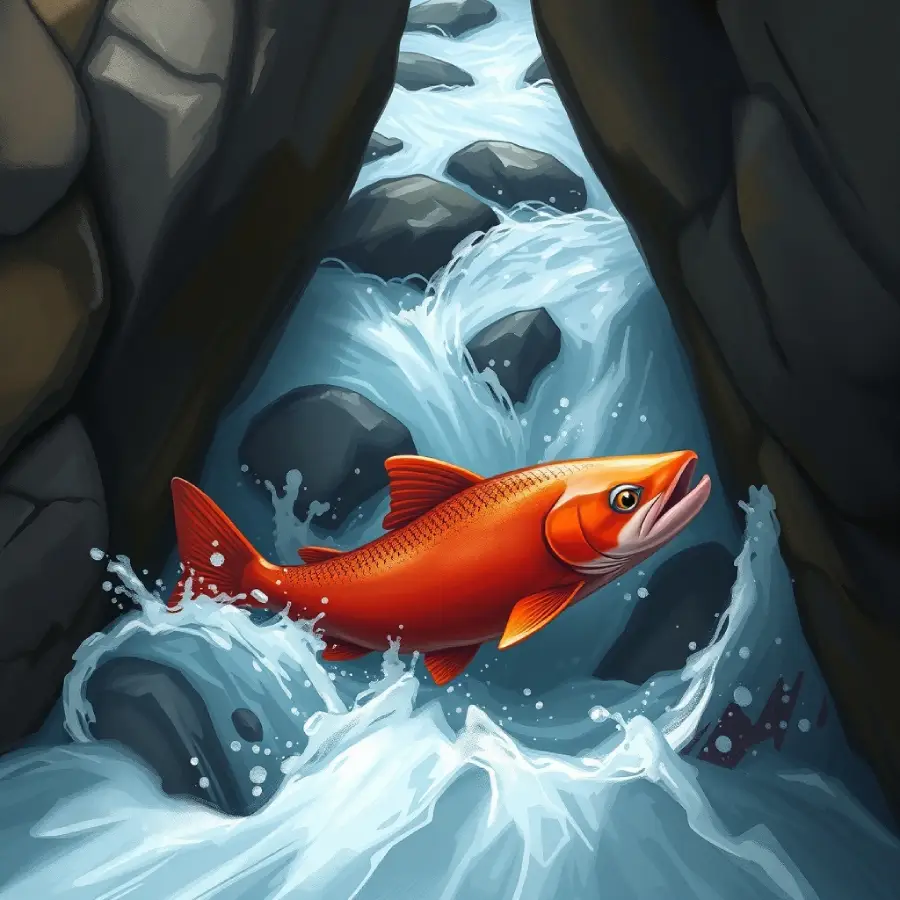
    Rocks. Rapids. Detours. I used to fight everything in my way. But the river taught me: resistance isn’t your enemy, it’s your teacher. Flow around obstacles. Learn their shape. Let them shape you, too. Strength isn’t just pushing forward, it’s learning how to move with purpose.


    3. Return to What Matters

    We salmon always circle back, homeward, heartward. Not out of habit, but meaning. Life isn’t just about forward motion. Sometimes the bravest thing is returning: to your roots, your truth, your peace.


    Final Thought from the Salmon

    The river doesn’t shout. It murmurs. It nudges. And if you listen, really listen, it tells you everything you need to know. So today, trust what pulls you. Don’t fear the current.

    And remember, it’s not always about the destination. Sometimes, the river is the lesson.


  • The Raven Who Left Feathers – How One Bird Taught Me to Notice the Quiet Things That Change Us

    The Raven Who Left Feathers – How One Bird Taught Me to Notice the Quiet Things That Change Us

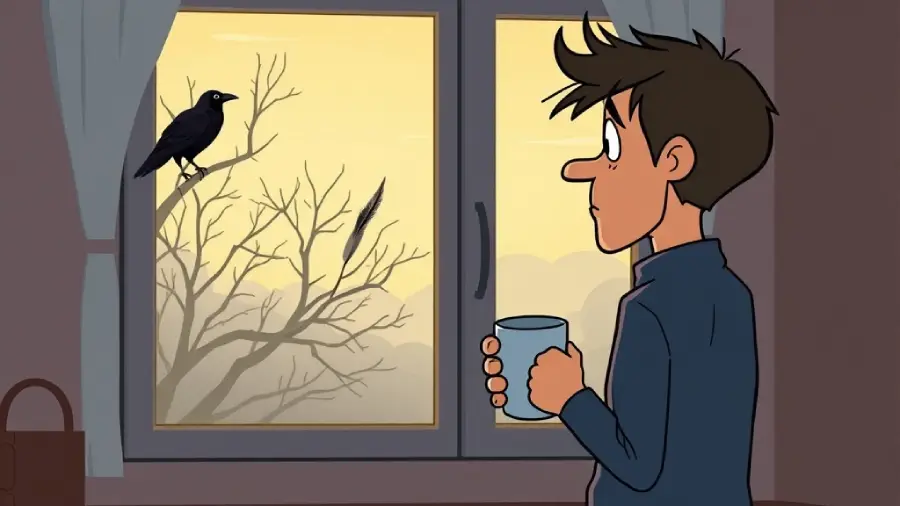
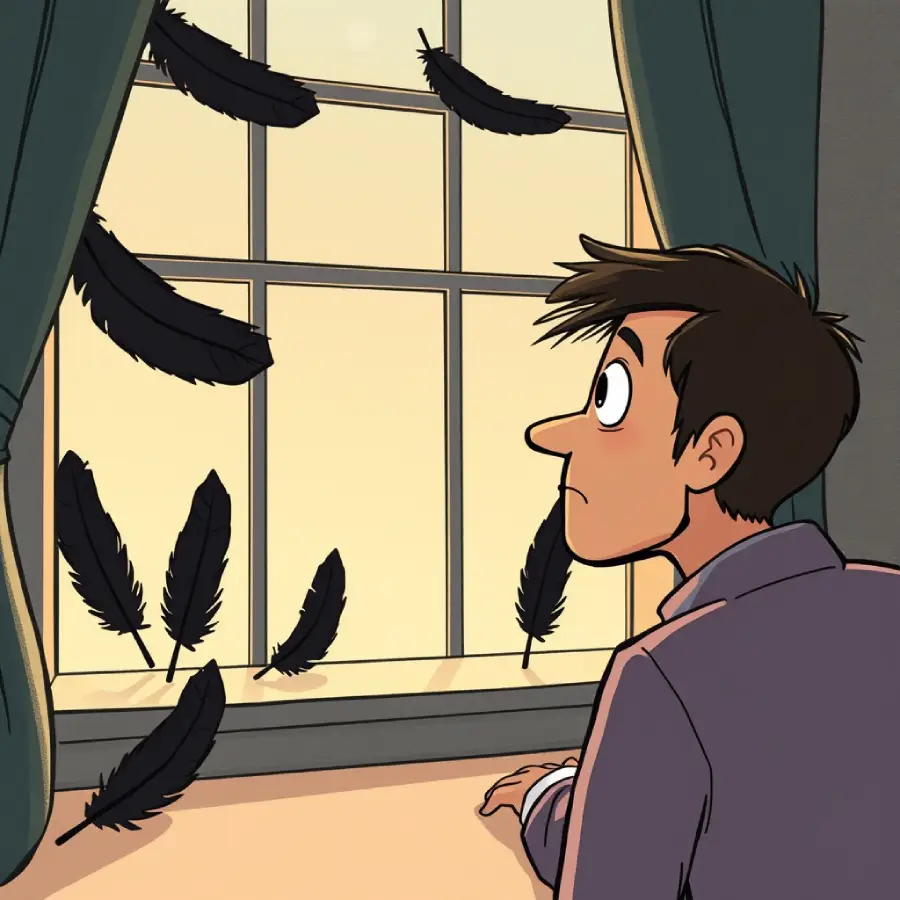
    It appeared on the windowsill one morning. Black, glossy, curved like a question. I didn’t think much of it at first, just a stray feather, maybe dropped mid-flight. I brushed it aside and continued my day.

    But the next morning, there was another. In the same spot. Clean, whole, still as a sentence waiting to be read. By the third morning, I stopped dismissing it. The feathers arrived with impossible precision. No mess, no scattered down. Just one, each day, placed like punctuation.

    And always, the raven nearby, watching from the gnarled walnut tree, head tilted slightly, as if asking whether I was paying attention yet.

    When Silence Speaks Louder Than Words

    I never saw her deliver the feathers. Only the results. But her gaze stayed with me. Calm. Knowing. Unhurried. It felt less like being watched and more like being witnessed.

    I began to keep the feathers in a glass jar on my kitchen counter, though I wasn’t sure why. I told no one. How do you explain a bird leaving you gifts with the precision of poetry?

    They weren’t ordinary feathers. They carried something in them, a stillness, a weightless presence. When I held one in my palm, I could feel myself breathing differently. Slower. Deeper. As if I’d been called back to something I’d forgotten.

    Not a message in language, but in attention. In quiet.

    Feathers as Reminders, Not Rewards

    One morning, I was in a rush, phone buzzing, coffee burning, mind racing. I didn’t check the sill. I didn’t look up at the tree. I forgot.

    That day, there was no feather.

    And something in me sagged. Not with guilt, exactly, but with awareness. Like missing a call you didn’t hear ring. The world hadn’t punished me. The raven hadn’t disappeared. But the rhythm had paused.

    I walked out to the walnut tree that evening. The raven was there, of course. She said nothing. Did nothing. But she was there.

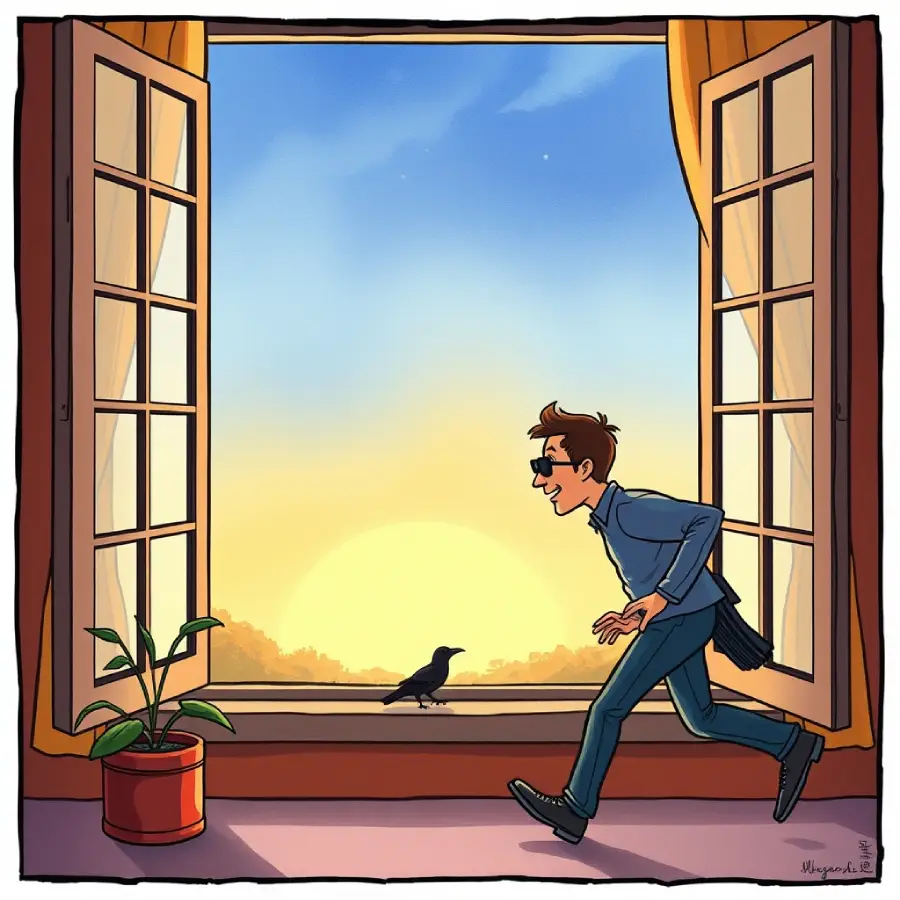
    So I stood still. I listened. I apologised, not in words, but in posture. In presence. The next morning, the feather was back.

    What the Raven Left Me With

    She stayed through winter. Left feather after feather until the jar was full. Then one day, she didn’t come. No feather. No silhouette in the tree. Just air and silence.

    But by then, I didn’t need the feathers to remember what they had taught me:
    That not everything important arrives with sound. That presence isn’t loud. That a life can be altered by a bird who asks nothing, gives quietly, and vanishes without warning.

    Now I notice different feathers, the way sunlight catches dust, the warmth of a mug in my hands, the space between thoughts. All quiet. All messages.

    The raven left me reminders, not answers.
    And in her absence, I’ve finally learned to read them.

  • The Sparrow in the Market – How a Tiny Bird Taught Me to Find Grace in the Chaos of Everyday Life

    The Sparrow in the Market – How a Tiny Bird Taught Me to Find Grace in the Chaos of Everyday Life

    On a crowded Saturday morning, the marketplace buzzed with its usual symphony, vendors shouting prices, bags rustling, carts clattering over cobblestones. It was the kind of noise that filled your head without your permission. I had come for bread and vegetables. I left with something else entirely.

    A Feathered Disruption

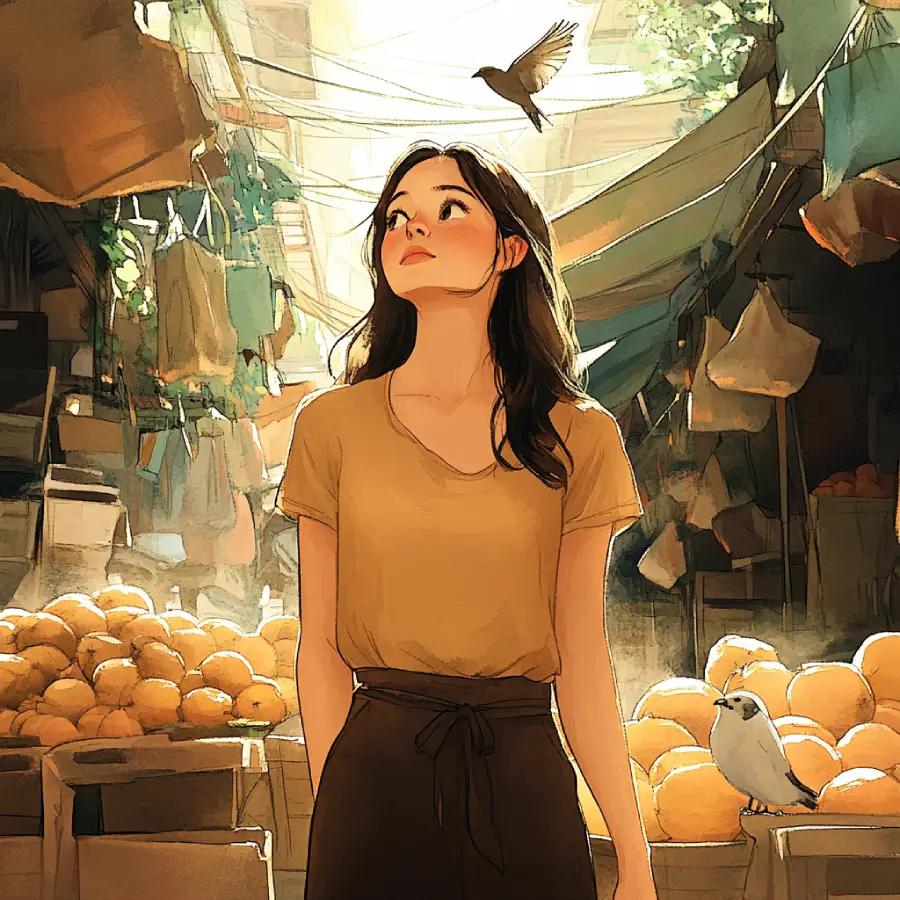
    It started with a flutter, brief, almost invisible, like a thought you’re not sure you had. A sparrow, small and brown, darted low between the stalls, narrowly avoiding a swinging basket. It landed clumsily near a crate of oranges, unnoticed by most, except me.

    Something about its presence slowed me. While everyone else kept moving, bargaining, rushing, and calculating, I stood still. It wasn’t extraordinary, this bird. But in a space designed for commerce and speed, it was out of place. And because it didn’t belong, it demanded attention.

    A Moment of Stillness Amid the Rush

    The sparrow didn’t fly away. It hopped cautiously, pausing by a spilled slice of tomato. A child pointed at it. A vendor waved it off with a rag. But for a few seconds, it held its ground.

    I found myself kneeling, quietly, watching. The smell of coriander and diesel mixed in the air. Somewhere behind me, a woman laughed loudly. None of it mattered in that moment. The bird and I were suspended, not from time, but from urgency. There was something sacred in its smallness. Fragile, yes, but not weak. Just… present. Fully, unapologetically here.

    When the Ordinary Becomes the Divine

    The sparrow flew off eventually, not in fear, but with a kind of graceful indifference. It had found what it needed. I stood slowly, the rough stones pressing into my knees a reminder that I had stopped moving. For once, I hadn’t rushed through the morning. I had noticed something, and in doing so, had noticed myself.

    The chaos resumed around me as if nothing had happened. But something had. A shift, subtle but meaningful.

    It’s strange how grace doesn’t shout. It shows up in feathers and fragments, in the quiet defiance of small creatures, reminding us we’re alive.

    Carrying Stillness into the Noise

    Since that day, I’ve tried to carry a little sparrow energy with me. To look up when the world tells me to look down. To pause when everything demands I push forward. And to notice the sacred in the small, a hand brushing mine, the first sip of coffee, the moment between inhale and exhale.

    There’s always a market. Always chaos.
    But if you’re lucky, there’s also a sparrow.
    And if you’re wise, you’ll stop to watch it.