Tag: life lessons from animals

  • Nia the Ant’s 3 Tiny Truths for a Big Life

    Nia the Ant’s 3 Tiny Truths for a Big Life

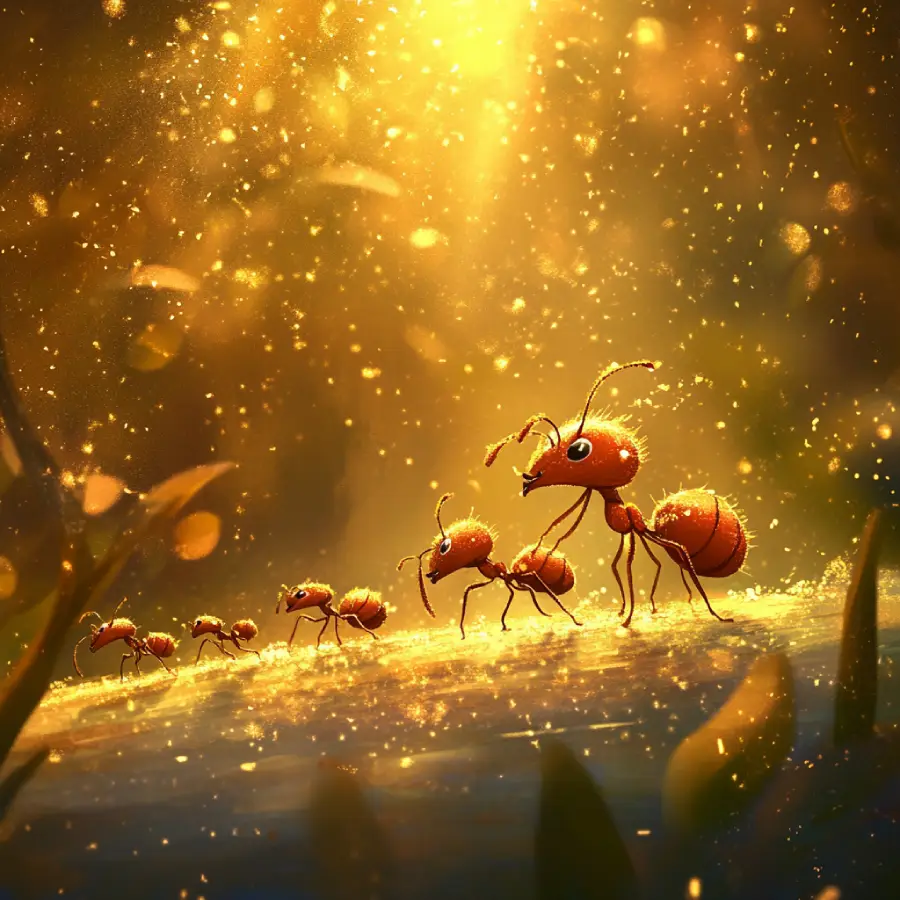
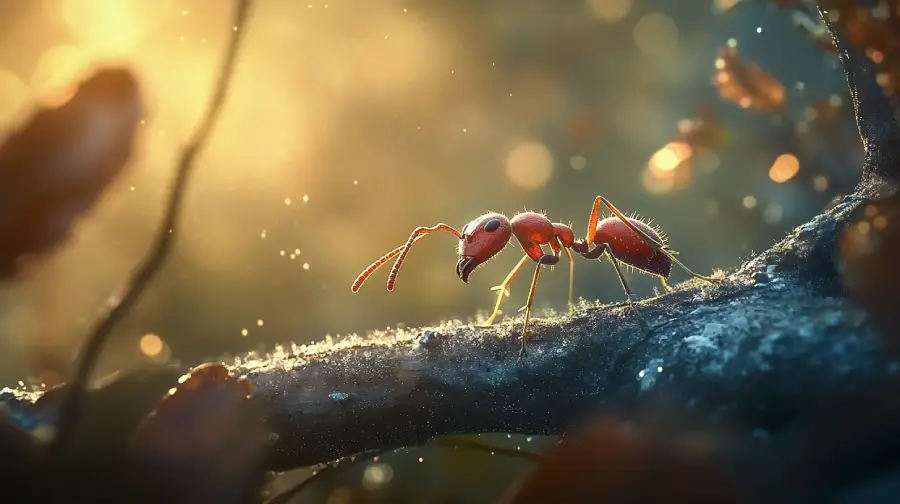
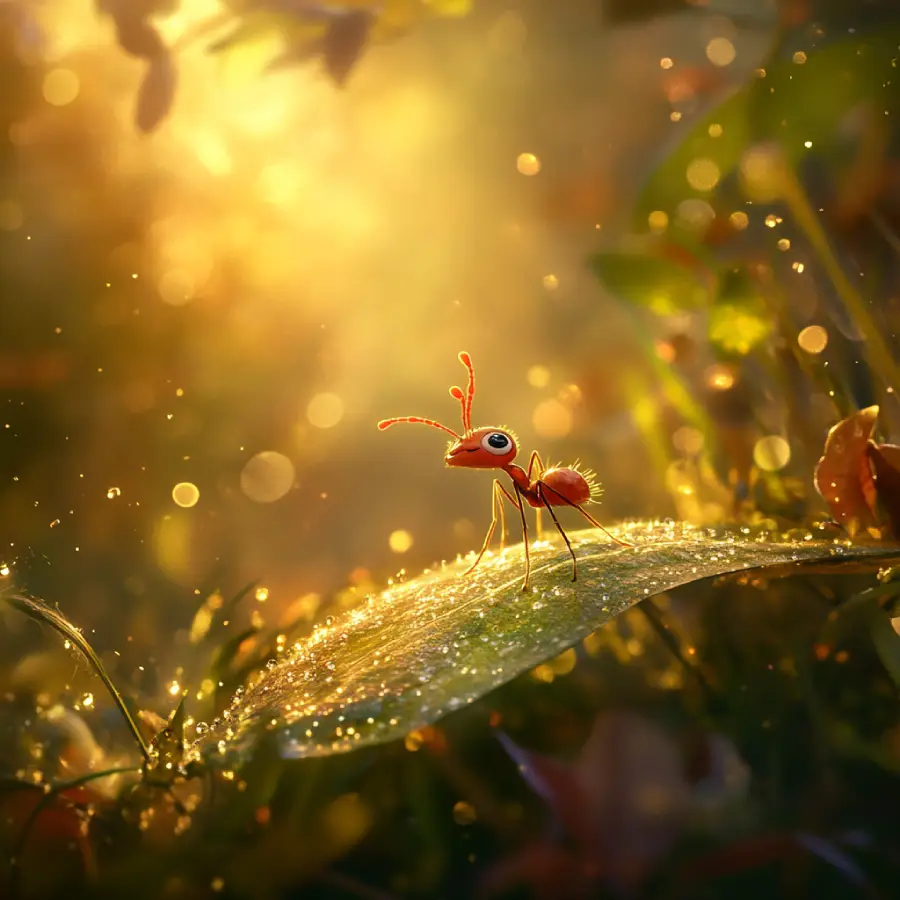
    Hi, I’m Nia. I may be small, but I carry big dreams, sometimes even ten times my weight! People often overlook ants like me, but if there’s one thing we know, it’s how to make the most of what we’ve got.

    Here are my 3 ant-tested, hardworking, crumb-carrying truths for living a meaningful life:


    1. Start Small

    Every great hill starts with one grain of sand.
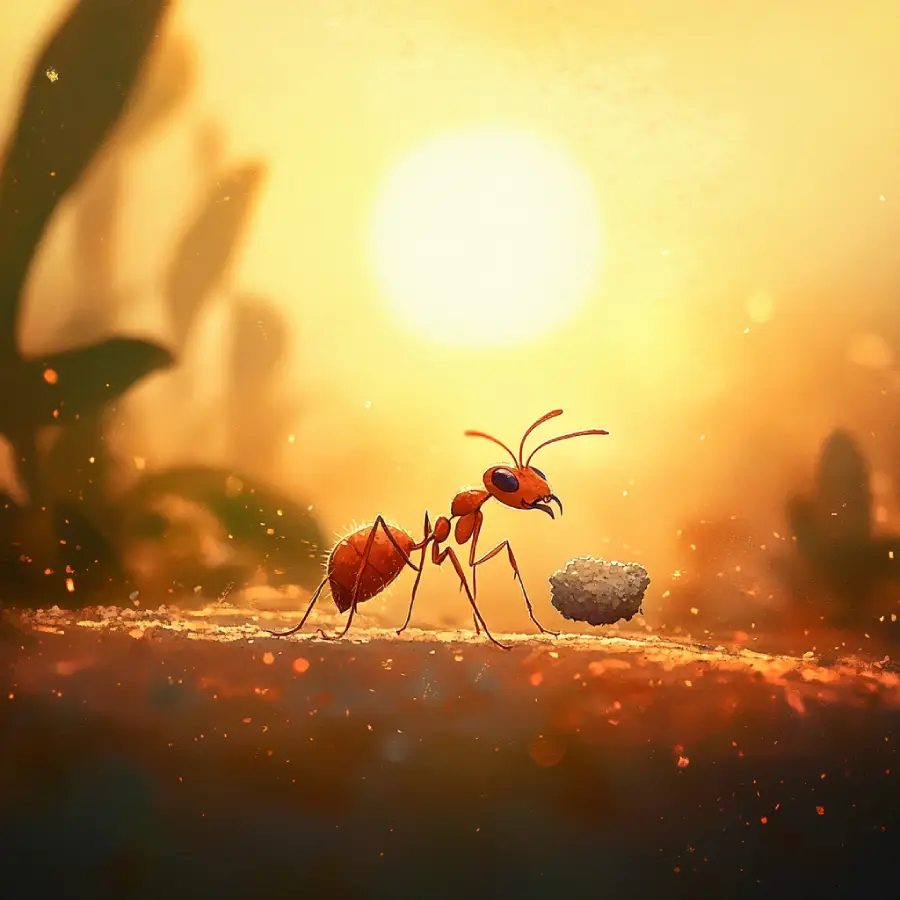
    I don’t build tunnels in a day. I don’t carry mountains, I carry crumbs. But I carry them consistently. The secret isn’t size. It’s a steady effort.

    So don’t wait for the perfect moment or the big leap. Just take the next small step. Small things add up.


    2. Work Together

    I’m never alone. We ants move as one, lifting, building, helping.
    You don’t have to do everything by yourself. Lean on your community. Share the load. Offer help and accept it too.

    There’s strength in numbers, and even more in kindness.

    3. Keep Going

    When the path gets blocked, I don’t give up. I find a way around. Or under. Or through. Setbacks happen. Obstacles show up. That’s life. But persistence? That’s how tunnels get built and dreams come true.

    So if today feels tough, remember: you’re tougher.


    Final Thought from Nia

    Big things don’t always roar. Sometimes, they march quietly, one step at a time.
    So today, start small, work together, and don’t give up.

    Because success?
    It’s not about how big you are.
    It’s about how brave you keep being.


  • Lulu the Elephant’s 3 Secrets to a Calmer Life

    Lulu the Elephant’s 3 Secrets to a Calmer Life

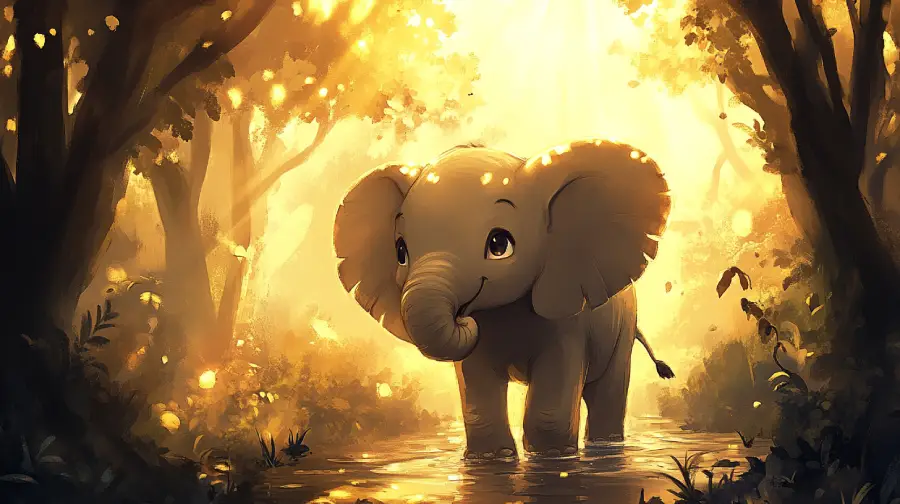
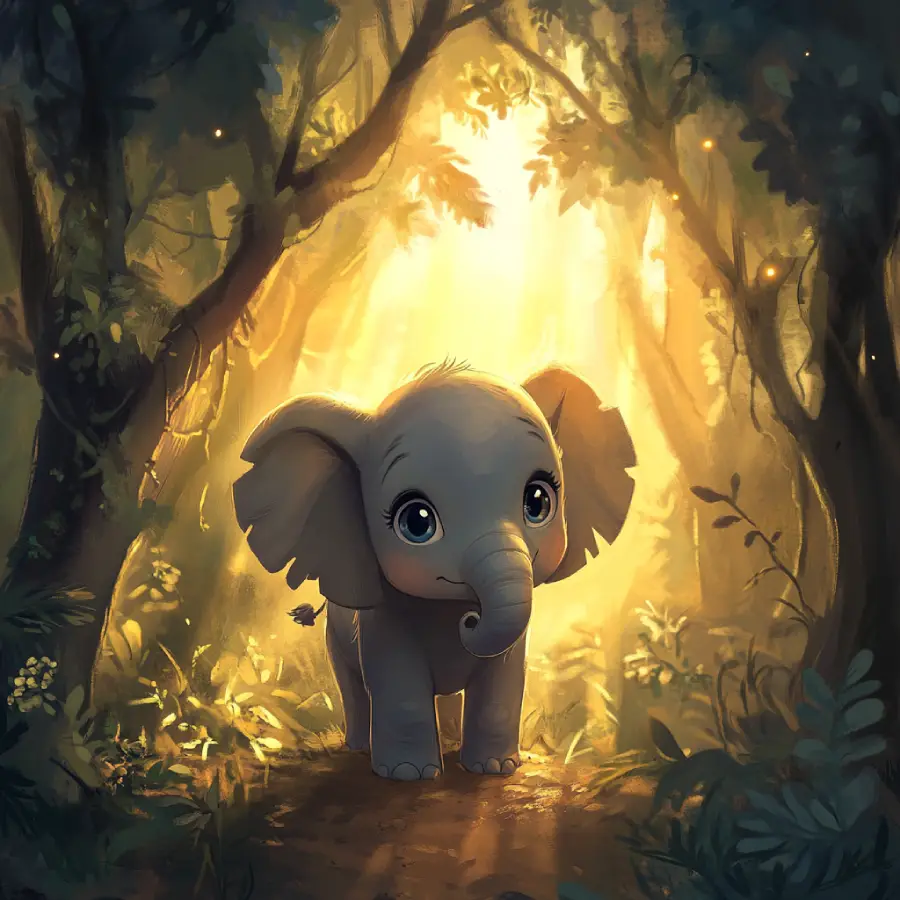
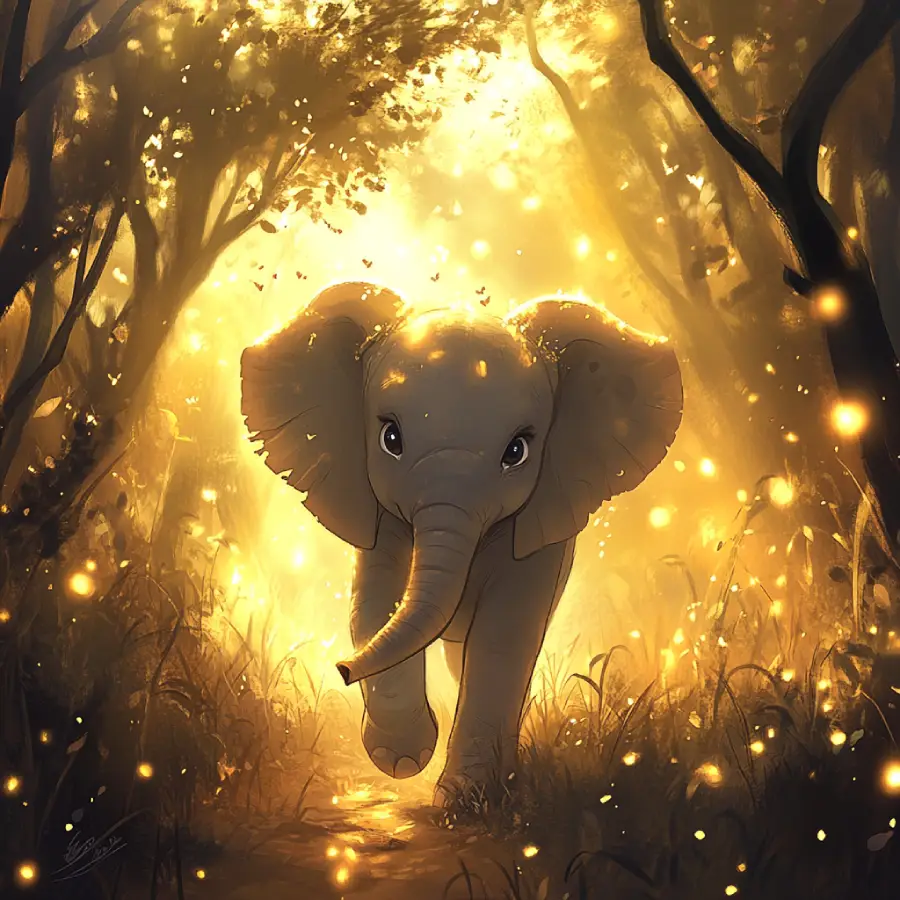
    Hi, I’m Lulu. I have a slow step, a soft heart, and ears that can catch the quietest of sounds. Some say elephants are wise, but I think we’re just practiced in patience. The world can feel loud and fast, but calm isn’t something you find by running after it. It’s something you grow, one peaceful step at a time.

    Here are my 3 elephant-tested, trunk-approved secrets to a calmer, more grounded life:


    1. Move Slowly

    Rushing scrambles your thoughts. Tranquility lives in the pauses.
    I don’t move slowly because I’m slow, I move slowly because I like to notice. The scent of the breeze, the bend in the trees, the warmth of the earth underfoot. There’s so much beauty waiting to be seen when we stop sprinting past it.

    So, when the day feels too full, take one step at a time. Walk like the ground beneath you matters. Because it does.


    2. Listen Deeply

    With ears like mine, I don’t just hear words. I hear the tone. Tension. Heartbeats behind the silence.
    Listening isn’t about waiting your turn to speak. It’s about being present enough to understand. Whether it’s a friend sharing a worry or the wind whispering through the trees, I listen with my whole self.

    Try it sometime. You’ll be amazed at what people say when they feel truly heard.


    3. Remember the Good

    Yes, I remember everything, including hard days. But I make room in my memory for the good stuff, too. Splashing in a river. A little one leaning against me. A friend who waited.

    It’s easy to let worries take up all the space in your mind. But peace grows where gratitude lives. Tuck away the good moments. Carry them like lucky pebbles in your pocket.


    Final Thought from Lulu

    Calmness isn’t about escaping the noise. It’s about finding stillness inside yourself, no matter what’s happening around you.
    So today, slow your pace. Open your ears. Treasure the good.

    Because calmness? It’s not a gift you’re given. It’s a choice you make.


  • The Fox That Didn’t Run – A Quiet Encounter That Changed Everything

    The Fox That Didn’t Run – A Quiet Encounter That Changed Everything

    I wasn’t looking for anything that morning, just space. I’d come to spend a few days alone at an old family cottage tucked along the edge of the Aberdare forest. No Wi-Fi. No schedule. Just long walks and the hope that nature might loosen the knots in my mind.

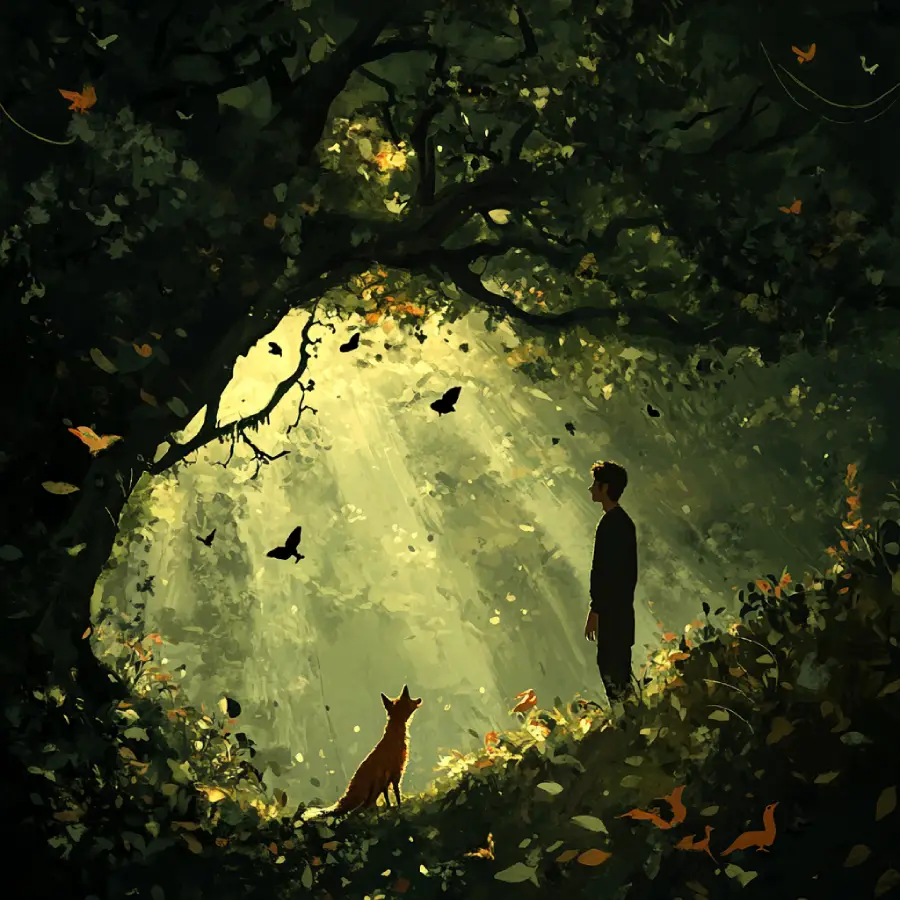
    It was early, the light still gold and slanting through the trees, when I took a narrow path behind the cabin. The ground was soft with dew. The world was hushed. And that’s when I saw her.

    Eyes Like Amber

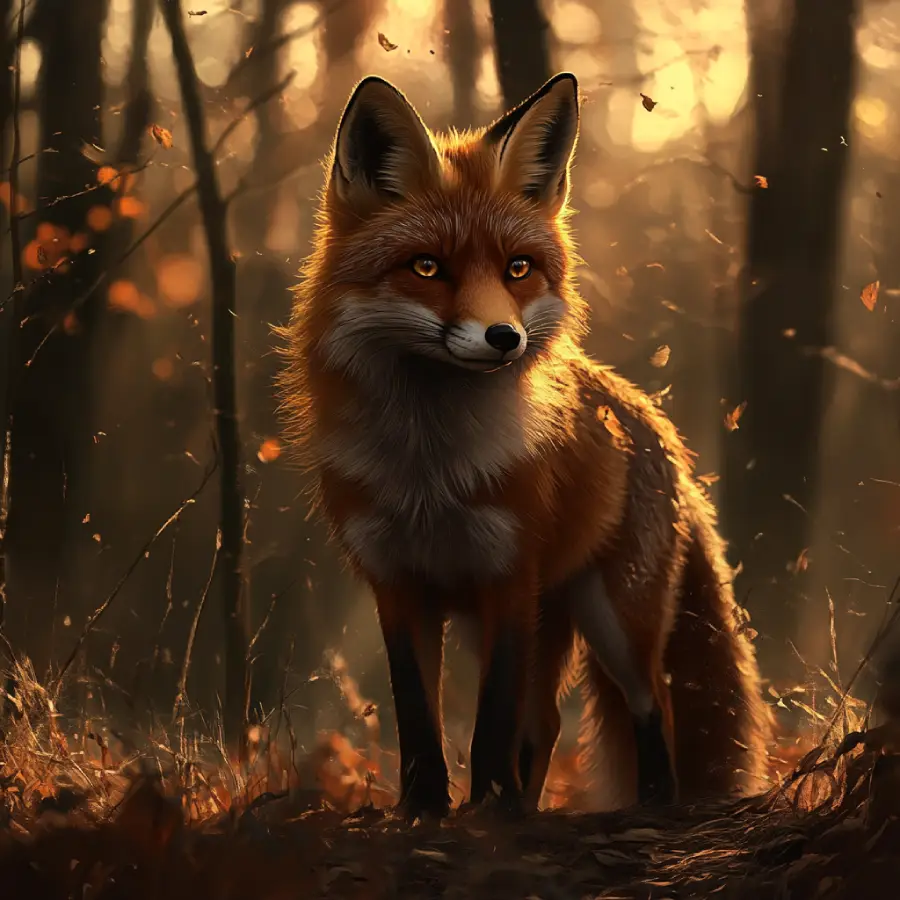
    She stood halfway across the trail, half hidden by the brush. A fox, lean, rust-coloured, with a white, tipped tail and ears like sharp leaves.

    She didn’t startle. Didn’t flee. She just looked at me.

    For a moment, neither of us moved. My breath slowed. Something about the gaze, steady, measuring, made me feel like the guest, not the observer. I took one step forward. She tilted her head, curious but calm. Another step, and she turned, not to run, but to walk silently back into the bush, vanishing like smoke.

    A Moment That Recalibrated Me

    That encounter couldn’t have lasted more than thirty seconds, but it shifted something. The rest of my walk felt different, more alert, more present.

    I started noticing things I would’ve missed: the pale green moss on tree bark, the pattern of birdcalls, the quiet architecture of spider webs between branches. I wasn’t just in nature, I was part of it, aware that I was walking through someone else’s world. That fox reminded me that the wild doesn’t perform for us. It just is. And if we’re lucky, it lets us glimpse it.

    What the Fox Left Behind

    Back at the cottage, I couldn’t stop thinking about her. Not because she was rare, but because she didn’t run. Most of us are used to life moving fast, hiding behind noise and speed. But the fox faced me with stillness. That kind of presence is rare in animals and in people.

    Now, whenever life feels too loud, I think of that moment in the forest. I remember to be quiet, to pay attention, to meet the world with alert curiosity instead of control.

    The fox left nothing behind, no trace, no sound. But she gave me exactly what I needed: a reminder that not all encounters are meant to last. Some are just meant to wake us up.

  • The Squirrel Who Changed My Mornings – A Gentle Story About Presence, Routine, and Small Wonders

    The Squirrel Who Changed My Mornings – A Gentle Story About Presence, Routine, and Small Wonders

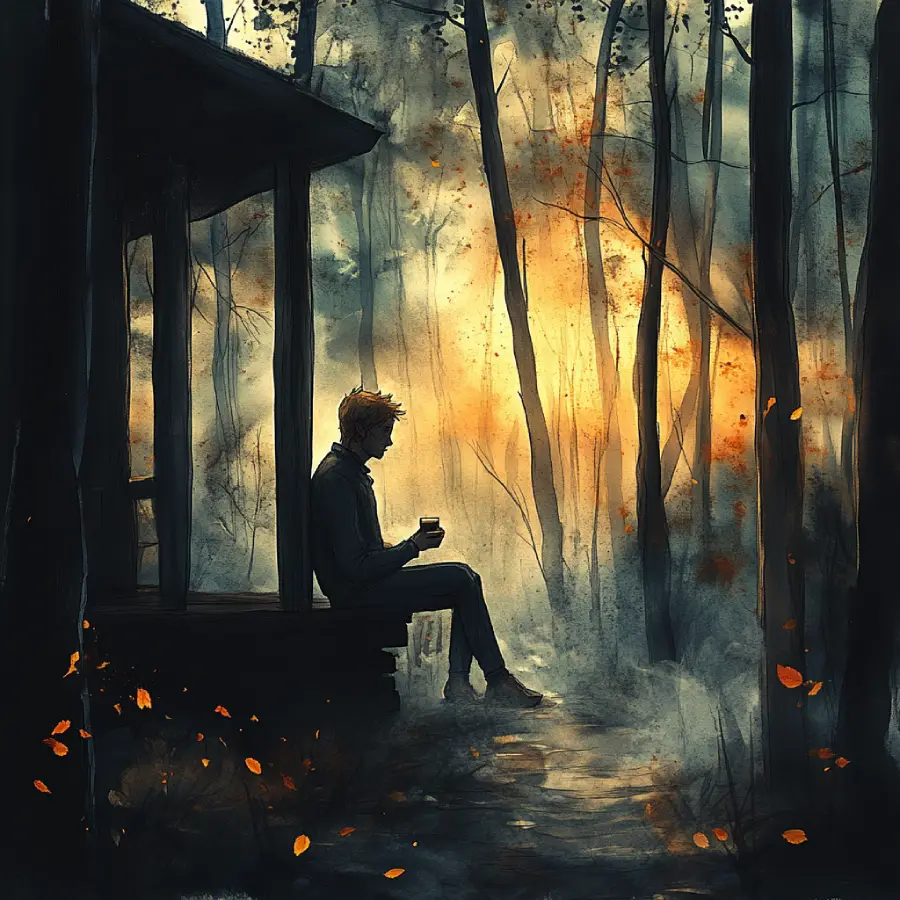
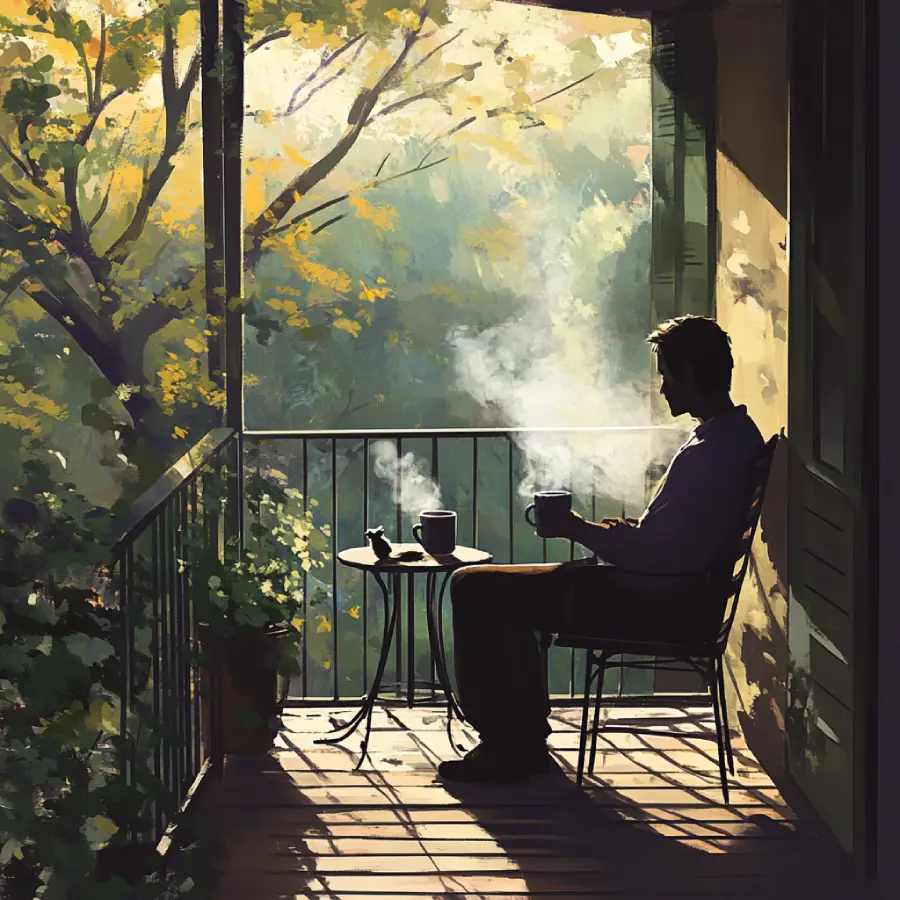
    It started with rustling. Every morning, around 6:45, I’d sit on my back porch with a mug of tea, watching the sun struggle through the fog. It was my quiet time, before the emails, the traffic, the noise. But that particular morning, something shifted.
    A small grey squirrel darted across the fence, paused on the branch of the jacaranda tree, and stared at me like, was the odd one.

    He didn’t run off. He just sat there, tail twitching, eyes sharp, watching. Judging, maybe. Then he disappeared into the branches.

    Our Unspoken Agreement

    The next morning, he came again. Same time. Same spot. I didn’t speak to him, wasn’t sure if that would be odd or endearing, but I acknowledged him with a nod. He blinked. Scratched his side. Carried on.

    Day after day, we fell into a rhythm. I sipped tea. He foraged, leapt, and occasionally dropped half-eaten seed pods onto my lawn. I named him Kamau, for no reason other than it suited him. Over time, I noticed something: I stopped checking my phone during those mornings. Stopped rushing. I became more aware of the breeze, the bird calls, and the slow stretch of morning light.

    The World in Small Movements

    Kamau didn’t do anything extraordinary. He didn’t perform tricks or take food from my hand. But in watching him, I noticed how thoroughly he did everything. He explored every branch like it was brand new. He sniffed each nut with total concentration. When he cleaned his tiny face, it was as serious as a ritual. There was no “multitasking” in his world, only attention.

    That hit me harder than I expected. I had been moving through life like a blur, half-listening, half-working, half-living. But this squirrel? He was all in, all the time. And somehow, his presence invited me to do the same.

    What He Taught Me

    One rainy morning, Kamau didn’t show up. I waited longer than usual, scanning the branches. Maybe he’d found a better tree. Or maybe, like all teachers, he knew when to leave. But the lesson stayed: pay attention.

    Not just to squirrels or sunrises, but to everything. The way steam curls from a mug. The texture of leaves underfoot. The people who speak to you in passing.

    Kamau reminded me that life isn’t found in the big, dramatic moments. It’s in the small ones. The ones we often miss, unless we slow down enough to notice.

  • The Tortoise Who Slowed Me Down – A Grown Up Story About Patience, Presence, and Peace

    The Tortoise Who Slowed Me Down – A Grown Up Story About Patience, Presence, and Peace

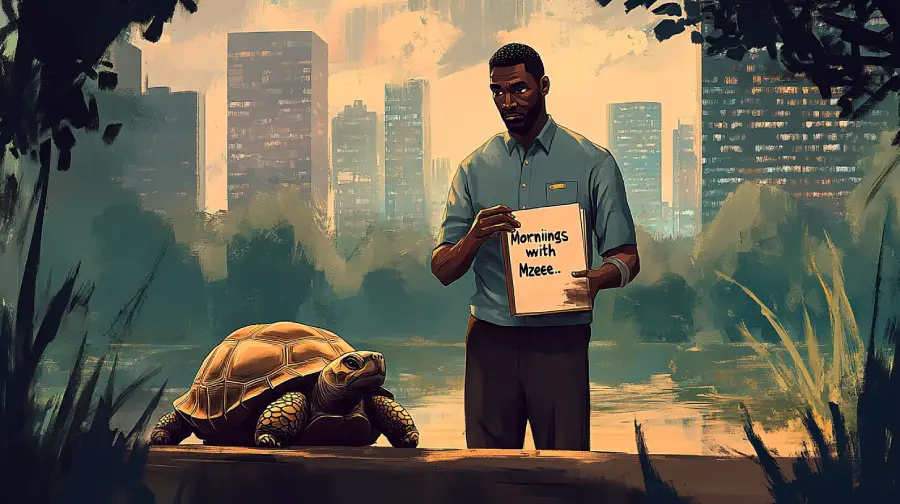
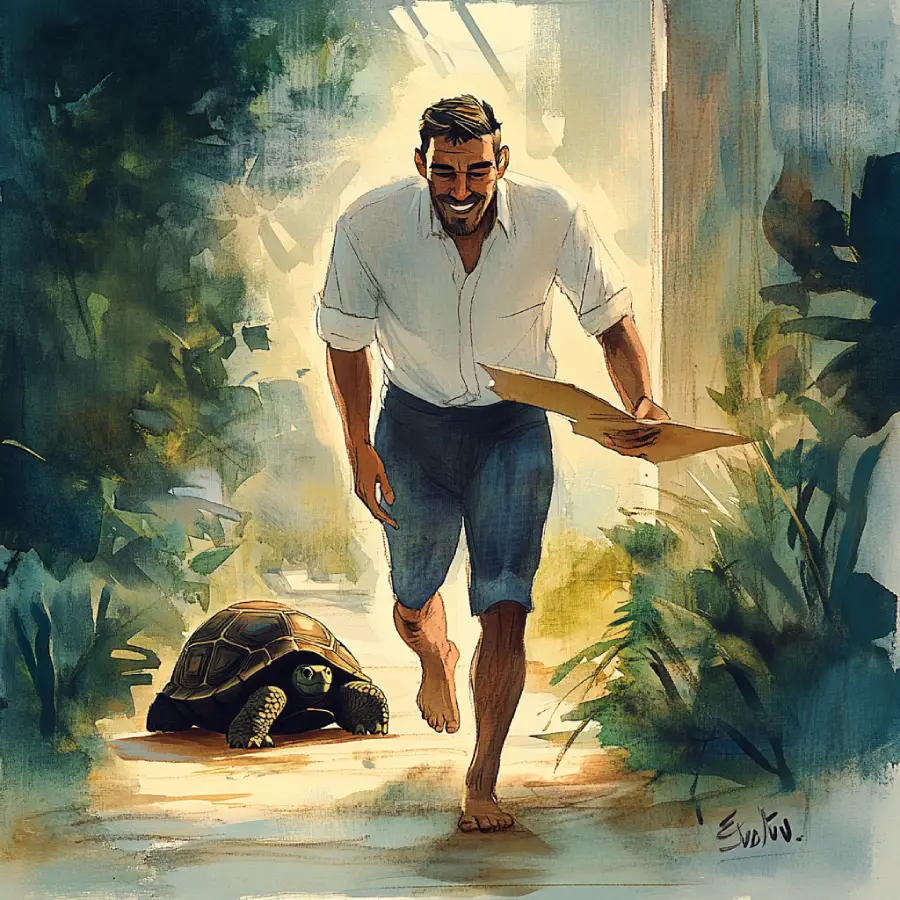
    I used to think being busy meant being successful. As a 42-year old architect in Nairobi, my days were packed with deadlines, site visits, and endless notifications. I didn’t remember the last time I sat down without a device in my hand. Slowing down wasn’t an option, until my uncle passed away and left me his pet tortoise, Mzee.

    I didn’t want him at first. What do you even do with a tortoise? But the will was clear: “Give Mzee to Daniel. He needs him more than he knows.”

    A Masterclass in Patience

    Mzee was 36 years old and had the face of someone who’d seen things. At first, he was just… there. He moved slowly, ate slowly, and blinked like it took effort. Watching him was like watching a rock breathe.

    But as the days passed, I found myself sitting on the porch just to watch him explore the garden. He’d take twenty minutes to get from one corner to the other and he looked entirely unbothered. No stress. No multitasking. Just movement, presence, and purpose.

    Without realising it, I began to match his rhythm.

    Redefining Productivity

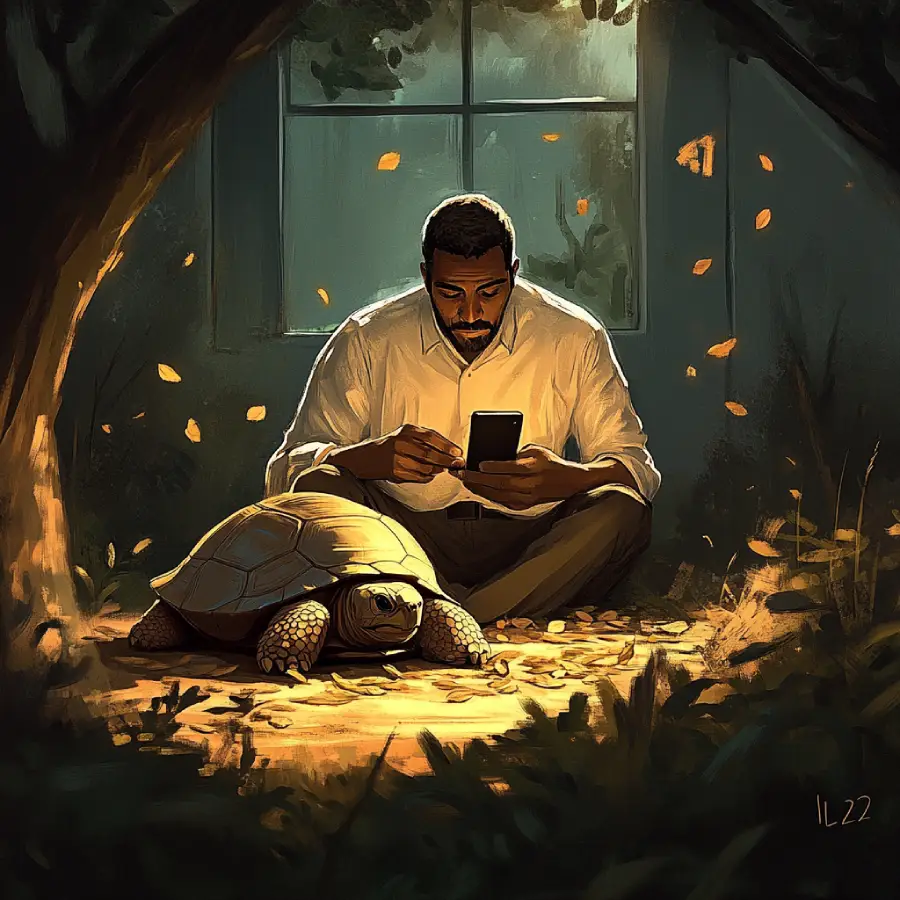
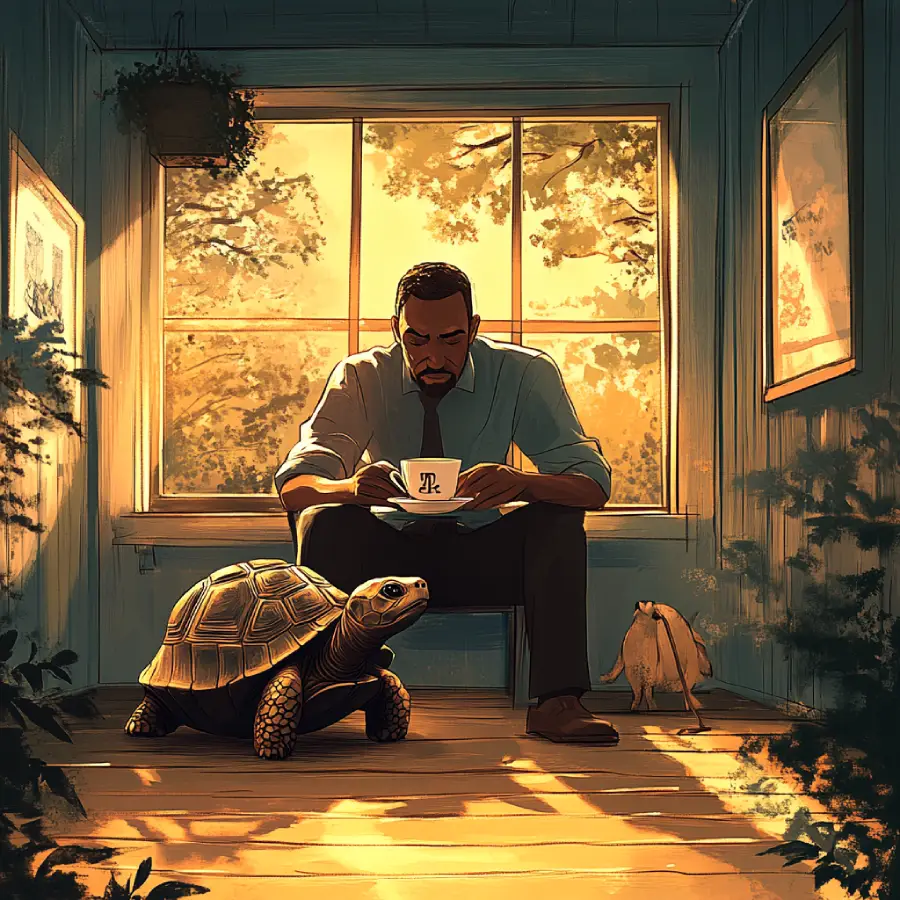
    I started leaving my phone inside when I was with Mzee. The garden became a place of peace instead of another Wi-Fi zone. I’d sip my morning tea while he grazed. Sometimes, we just sat in silence. And slowly, I noticed something strange: I was sleeping better. My headaches stopped. My days felt longer, but in a good way.

    It hit me that my life had been full, but not fulfilling. Mzee reminded me that movement didn’t need to be fast to be meaningful.

    Slower, But Stronger

    Six months later, I’m still an architect. Still busy. But now, I take breaks. I breathe. I walk slowly. And every morning, Mzee is there, reminding me that there’s strength in slowness.

    He doesn’t ask for much. Just some lettuce and a little time. But what he’s given me is priceless: a new way of seeing the world. One step at a time.

  • The Horse Who Waited for My Trust – A Man’s Journey Through Healing, Presence, and Patience

    The Horse Who Waited for My Trust – A Man’s Journey Through Healing, Presence, and Patience

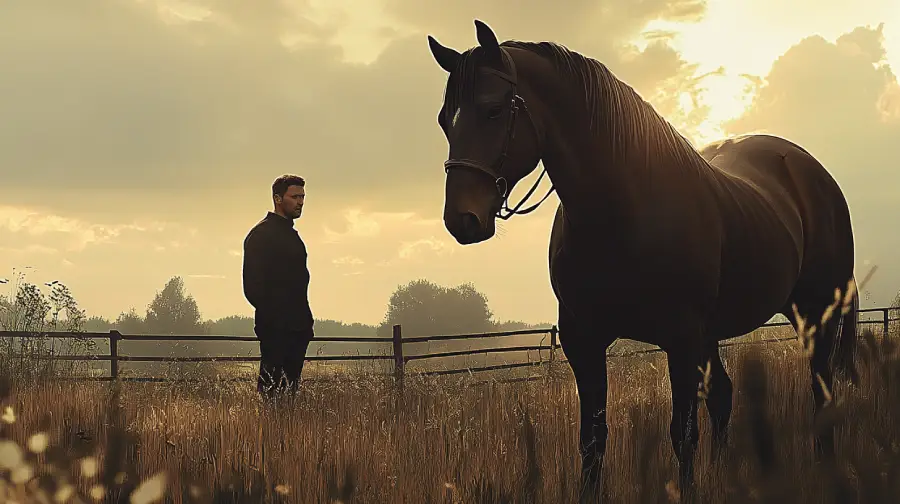
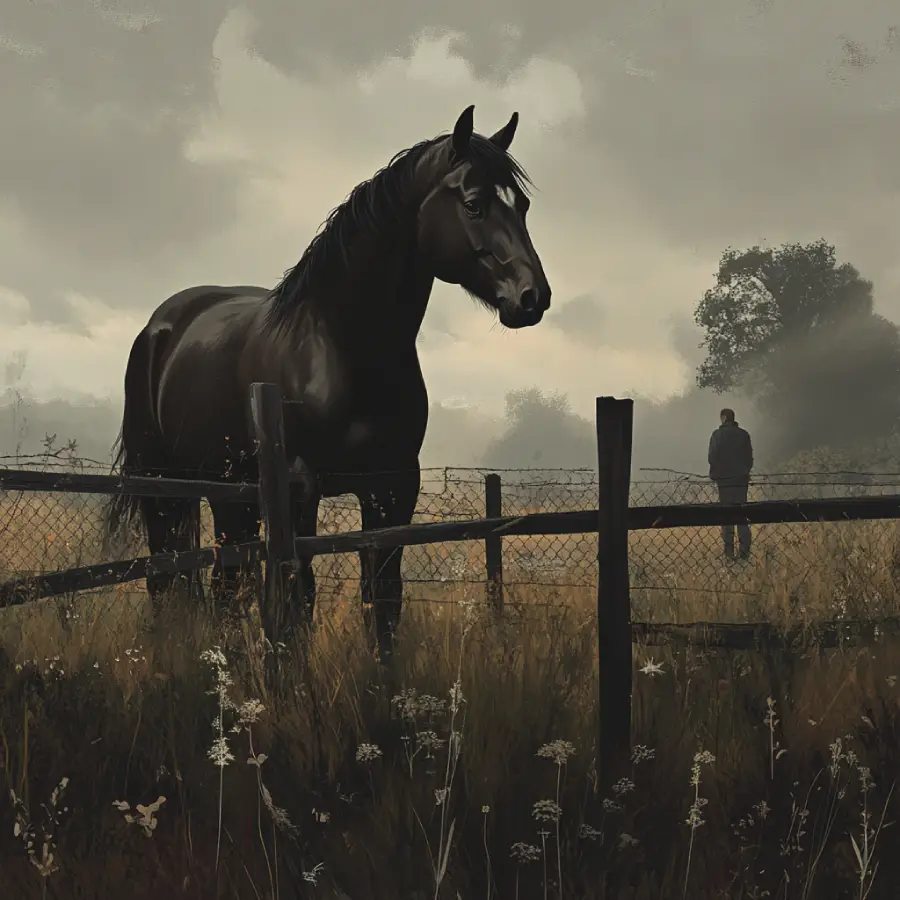
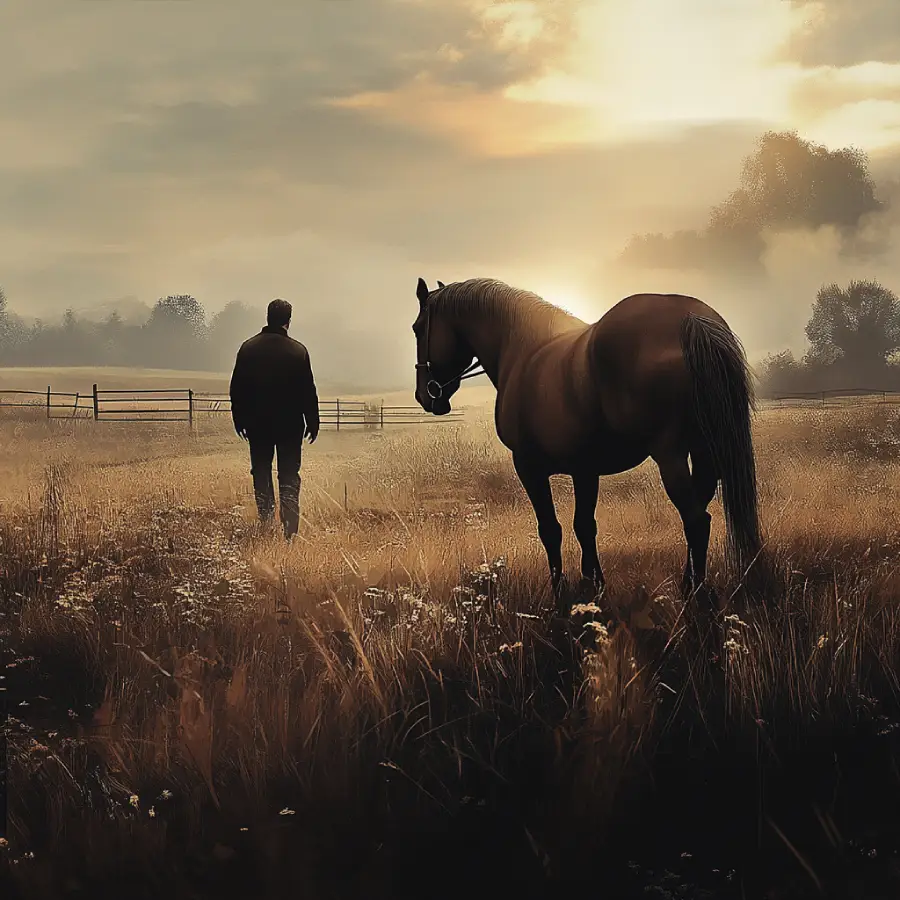
    I met Kito on a cloudy afternoon at a rural rescue center outside of Naivasha. He was a dark bay stallion with eyes that watched everyone but let no one close. “He doesn’t let men near him,” the caretaker warned. “We think he was mistreated.”

    I wasn’t looking for a horse, I was just visiting a friend. But something about Kito held my attention. His fear mirrored something I hadn’t admitted to myself: I didn’t trust people much either.

    A Man Learning to Be Still

    After my divorce, I stopped showing up to friendships, to family, to life. I was polite, but distant. I told myself I was fine, just busy. But standing outside Kito’s pen, watching his ears flick and his body flinch at every movement, I saw my own armor in his.

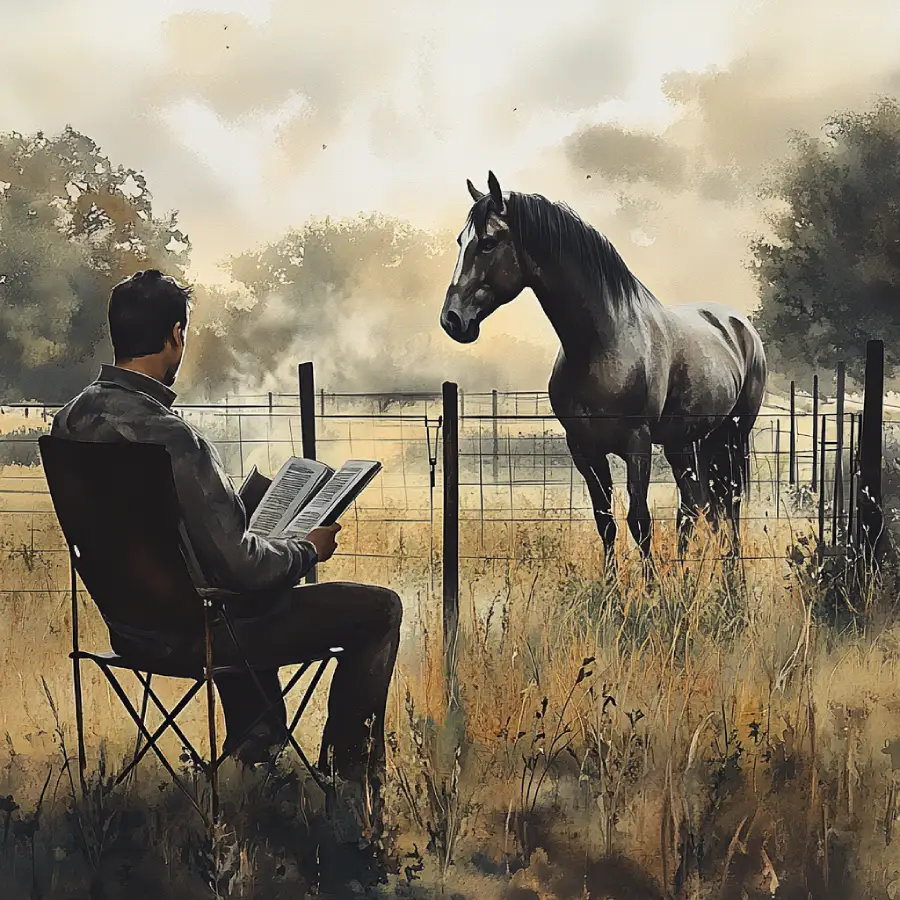
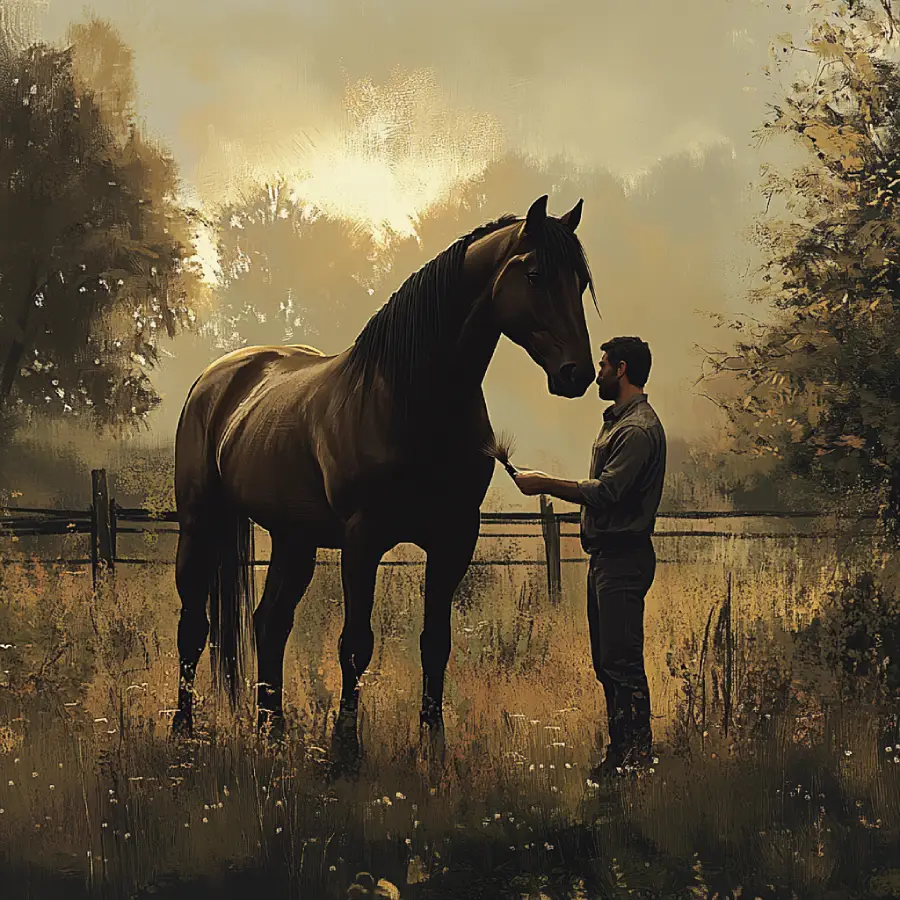
    So I started visiting. Not to ride. Not to tame. Just to sit. I’d bring a folding chair and sit outside his paddock, reading or saying nothing at all. It took weeks before he came close enough to sniff my hand. Months before he let me brush him.

    Kito didn’t need pressure. He needed presence. So did I.

    Quiet Moments, Big Changes

    With Kito, progress came slowly but meaningfully. He started walking beside me in the field. Eventually, I saddled him, with permission in his body language, not force. Every step was a conversation in trust. Oddly, the more patient I became with him, the more patient I became with myself. I stopped trying to “fix” everything overnight. I let things take the time they needed. That included healing.

    What Kito Gave Me

    Now, Kito lets me ride him, calm, steady, proud. But the gift he gave me is much bigger than that. He taught me that trust isn’t earned through grand gestures, it’s built in the quiet, in the showing up, in the stillness.

    And in learning to earn his trust, I finally learned to trust myself again.

  • The Parrot Who Taught Me to Speak Kindly – A Gentle Story About Self-Talk, Echoes, and Emotional Growth

    The Parrot Who Taught Me to Speak Kindly – A Gentle Story About Self-Talk, Echoes, and Emotional Growth

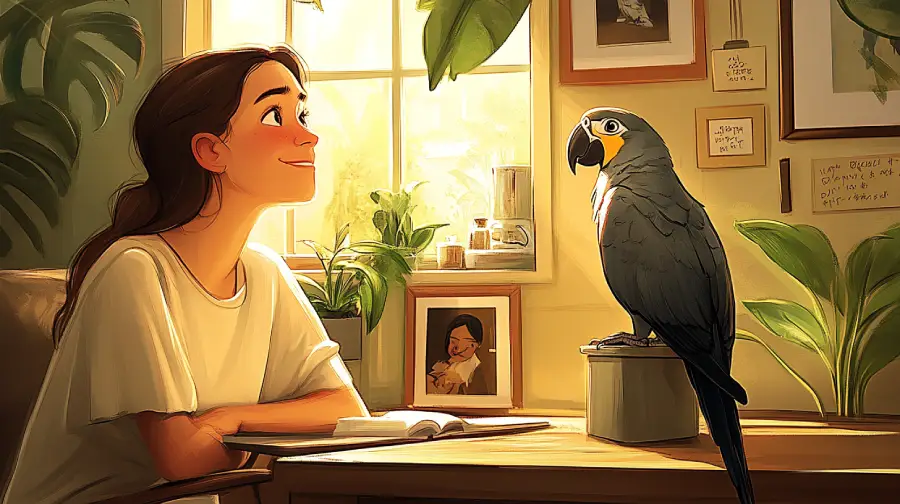
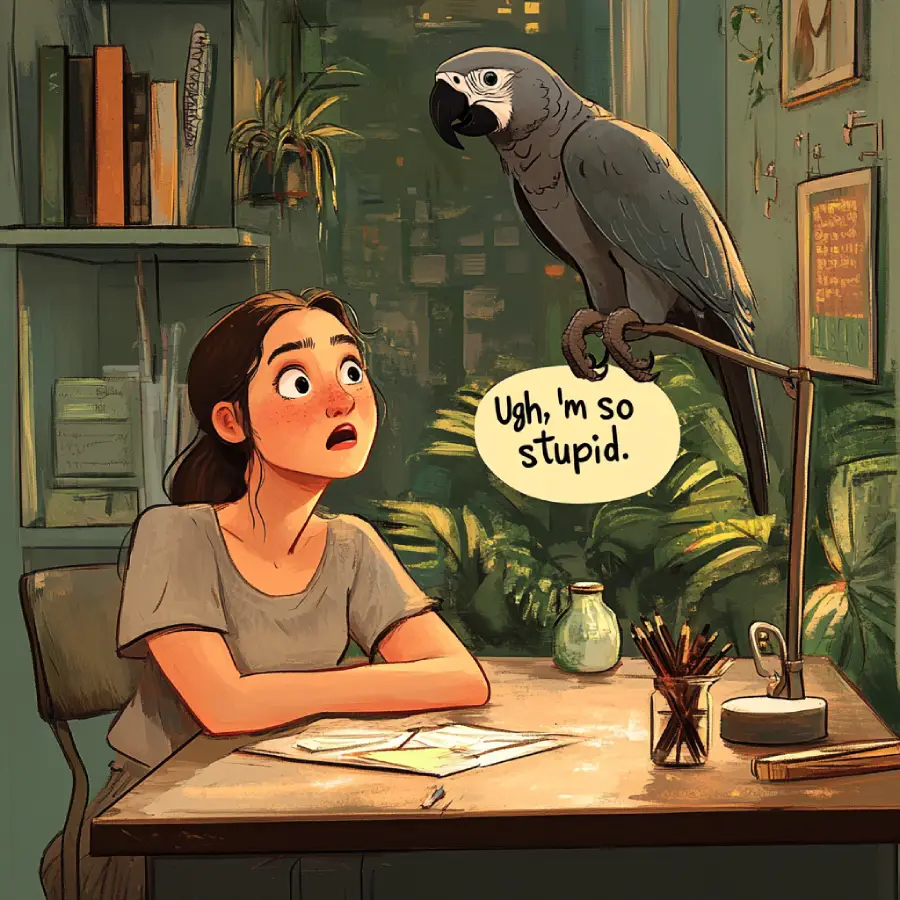
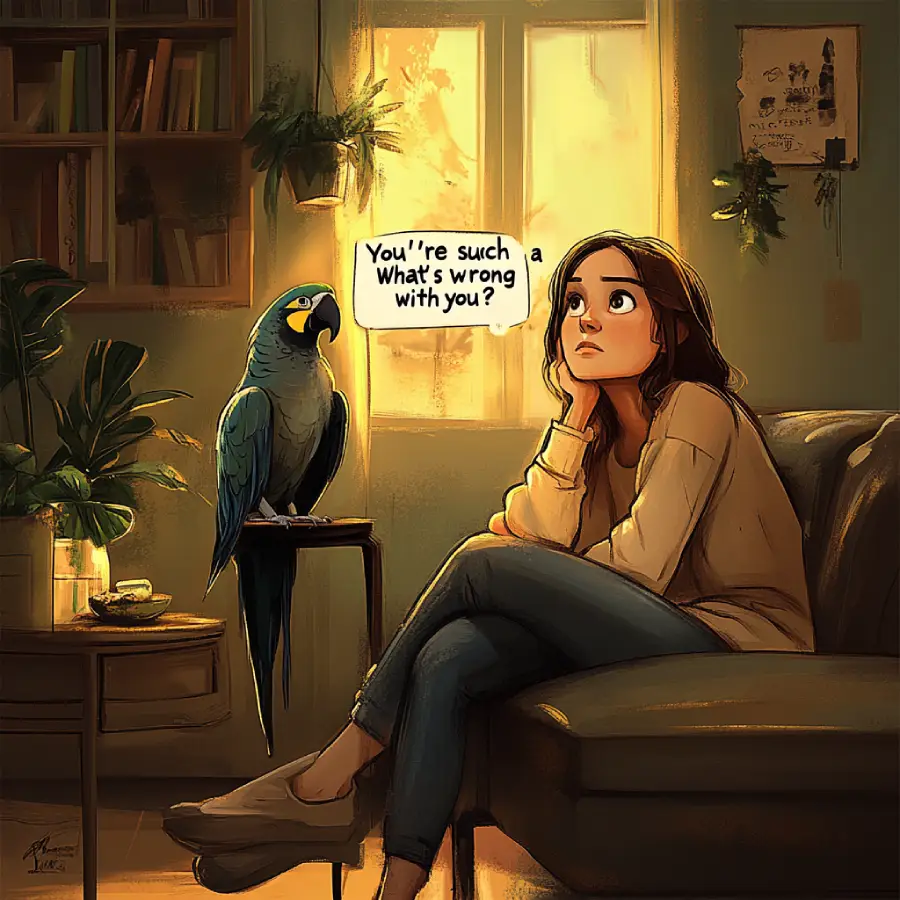
    When I inherited Max, my grandfather’s African Grey parrot, I expected a quirky housemate with a talent for mimicry. What I didn’t expect was that this bird would hold up a mirror to the way I spoke, not just to others, but to myself. Max didn’t just repeat random words. He picked up on the things I said the most: rushed phone calls, muttered frustrations, and self-deprecating remarks I hadn’t realised I made so often. One afternoon, after I spilled coffee on my laptop, I heard Max clearly mimic my voice: “Ugh, I’m so stupid.”It stopped me cold. Because hearing it from someone or something else made it sound so much harsher than it had in my head.

    Words That Stick Max

    repeated those same few phrases over and over: “You’re such a mess,” “What’s wrong with you?” and “Come on, get it together.” All things I had said to myself a hundred times without thinking twice. But now, coming from his beak, they sounded cruel. And I couldn’t ignore them. I realised that if I didn’t say these things to someone I loved, why was I saying them to myself? Worse, why was I unintentionally teaching an innocent creature to echo them? Words, even when spoken casually, stick. They shape our inner dialogue. And Max, unknowingly, had become a reflection of my harshest thoughts.

    Rewriting the Script

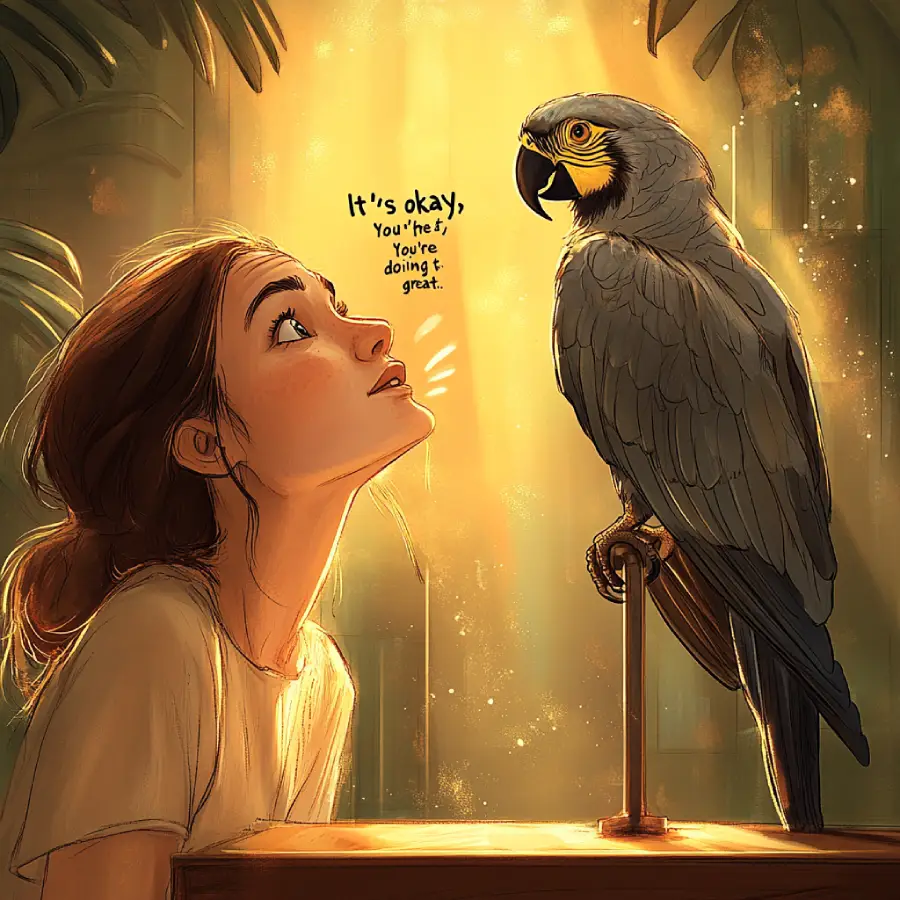
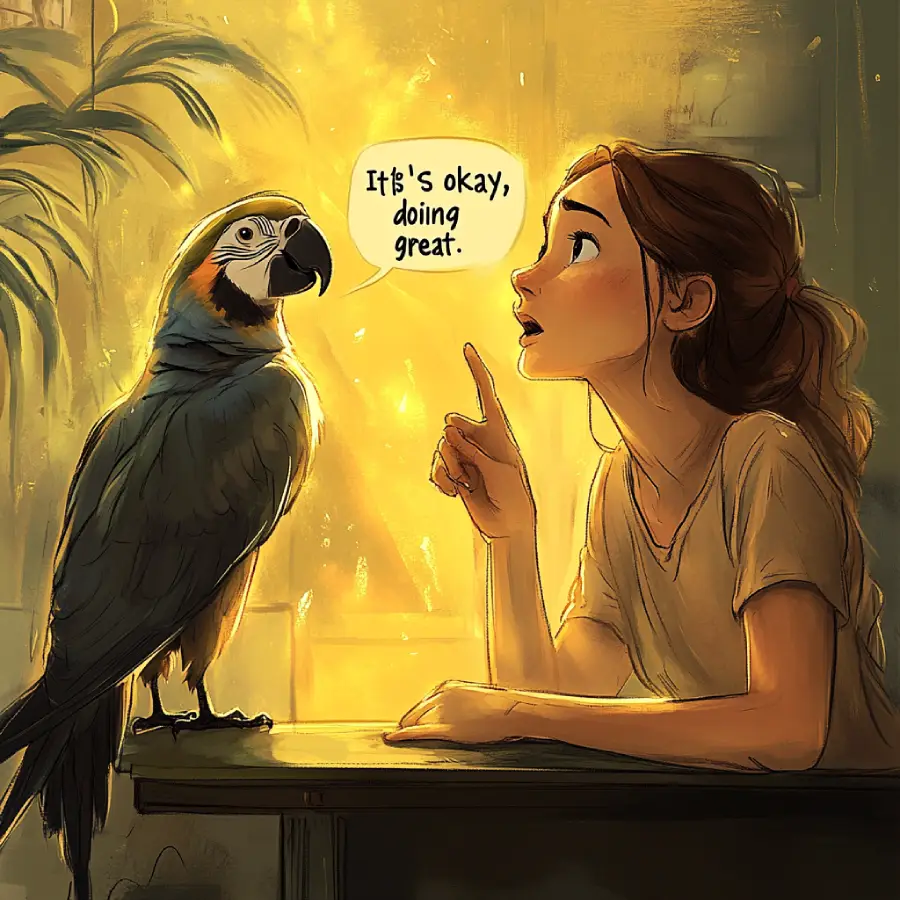
    I began to change the way I spoke out loud and in my mind. I started with small shifts: “I’m trying” instead of “I’m failing.” “It’s okay” instead of “What’s wrong with me?” “Take a breath” instead of “Get it together.” It felt strange at first. Forced, even. But slowly, Max started repeating new phrases: “It’s okay,” he’d chirp from across the room. “You’re doing great.” And hearing those words even from a bird felt like a balm. Max became a cheerleader instead of a critic. But it wasn’t just him that changed, it was me. I had started speaking to myself with more kindness, patience, and care. And I was better for it.

    Kindness Has an Echo

    Now, when people visit, they laugh at Max’s cheerful affirmations. But to me, they mean so much more. They’re daily reminders of how powerful words can be, and how necessary it is to choose them wisely. Max didn’t just mimic my voice. He helped me find a kinder one. Thank you, Max, for reminding me that the way we speak matters, especially when we’re talking to ourselves.

  • How a Stray Dog Helped Me Heal After Loss – A Gentle Story of Grief, Companionship, and Quiet Recovery

    How a Stray Dog Helped Me Heal After Loss – A Gentle Story of Grief, Companionship, and Quiet Recovery

    Grief has a way of turning the world silent. After my mother passed away, the house felt unbearably still. Every sound echoed louder, every moment alone stretched longer. I moved through the days in a fog, doing what needed to be done, but feeling hollow inside.

    It was during one of those heavy afternoons that I met Charlie. He wasn’t supposed to be part of my life. He wasn’t planned or bought, or adopted. He was simply there, matted, limping slightly, and looking more lost than I felt.

    An Unexpected Visitor

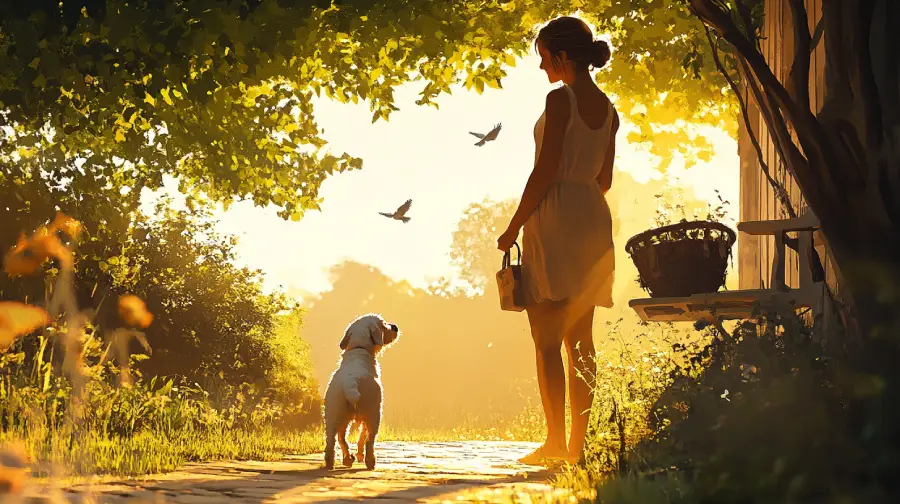
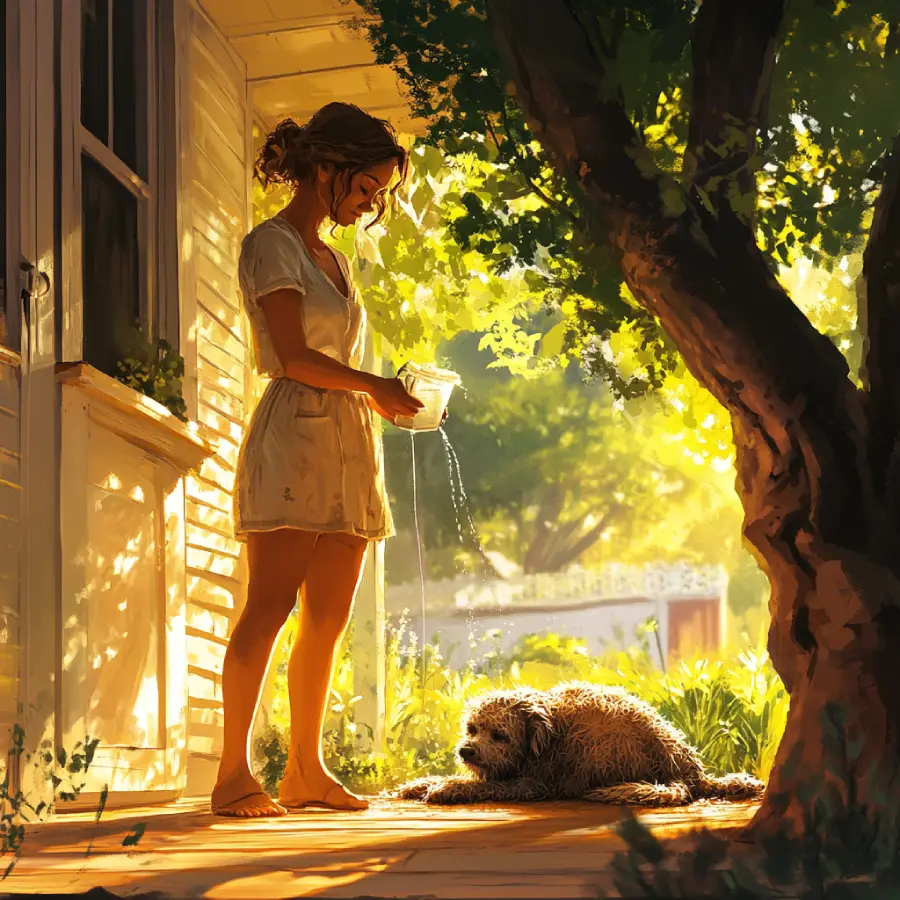
    I found him curled under the tree in my front yard, wary but too tired to run. He didn’t bark. He didn’t growl. He just looked up at me with eyes that seemed to say, “Me too.” Something about that moment felt sacred. I brought him a bowl of water, and he drank like he hadn’t had a sip in days. I laid an old blanket out on the porch, and he accepted it without protest.

    I didn’t name him right away. I didn’t even plan to keep him. But somehow, Charlie, as I’d eventually call him, stayed.

    Healing, One Step at a Time

    Charlie wasn’t perfect. He was cautious, skittish, and deeply afraid of loud noises. I didn’t know what he had been through, but I recognised the way pain makes you flinch from kindness. I understood his hesitancy. It mirrored my own.

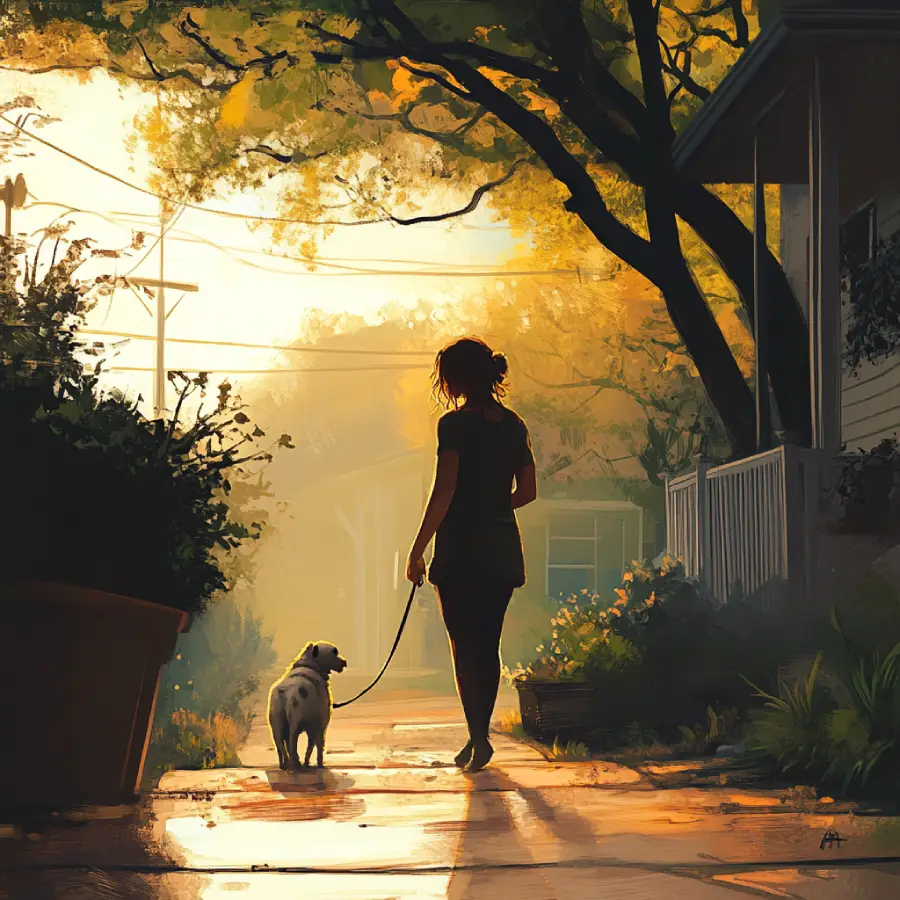
    Every morning, we’d walk the neighbourhood together, quiet steps side by side. I’d talk. He’d listen. I cried more than once on those walks, and not once did he turn away. There were no grand gestures. No dramatic breakthroughs. Just companionship. Steady, simple, and real.

    What Charlie Taught Me About Grief

    Grief doesn’t disappear. It doesn’t have a clear finish line. But it becomes lighter when you don’t carry it alone. Charlie never asked me to move on. He didn’t expect smiles or strength. He just showed up, tail wagging, eyes soft, and gave me something to wake up for.

    There’s something deeply healing about being needed, even in your own brokenness. Charlie didn’t care that I was grieving. He just needed love. And in loving him, I slowly started to come back to life.

    A Companion, Not a Cure

    People talk about emotional support animals like they’re some magical fix. But Charlie wasn’t a cure; he was a companion.

    He walked with me through grief, not around it. He sat beside me when I couldn’t speak. He nudged me gently when I hadn’t moved from the couch all day.

    In his quiet, gentle way, he reminded me that life still existed outside my sorrow. That there was still warmth, still connection, still small reasons to smile.

    Moving Forward, Together

    Eventually, I took Charlie to the vet, got him cleaned up, vaccinated, and officially adopted. He’s healthier now, his coat shinier, his eyes brighter.

    And I suppose, in some way, I am too. We still walk every morning. And though the sadness lingers at times, it no longer weighs me down.

    Because Charlie didn’t just show up during my pain, he walked me through it.

    Thank you, Charlie, for finding me when I was lost. For giving me your trust, your loyalty, and the kind of healing only a dog can offer.

  • What My Cat Taught Me About Boundaries – A Quiet Lesson in Love, Space, and Self-Respect

    What My Cat Taught Me About Boundaries – A Quiet Lesson in Love, Space, and Self-Respect

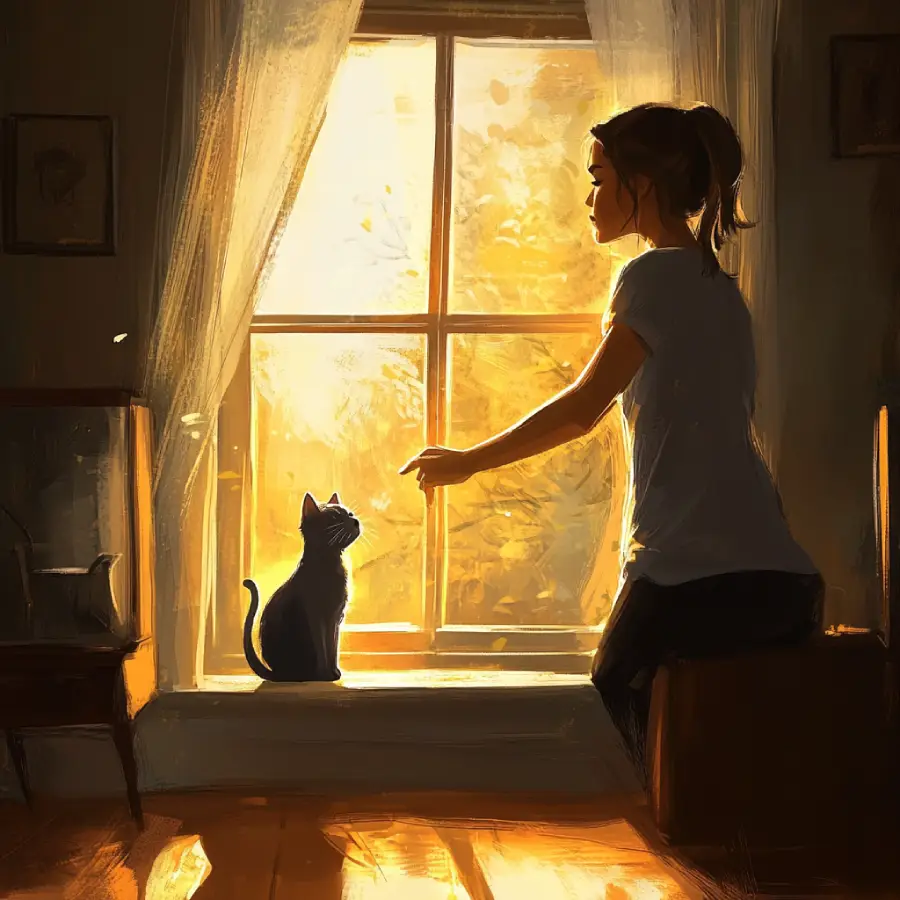
    There’s something quietly powerful about a cat’s presence. They don’t demand your attention, yet their absence is unmistakable. They choose when to be close and when to walk away. And somehow, that choice never feels personal.

    When I adopted Luna, a gray rescue cat with a cautious spirit and knowing eyes, I thought I was the one doing the saving. What I didn’t expect was how much she would teach me about one of the most important and difficult aspects of life: boundaries.

    Learning the Hard Way

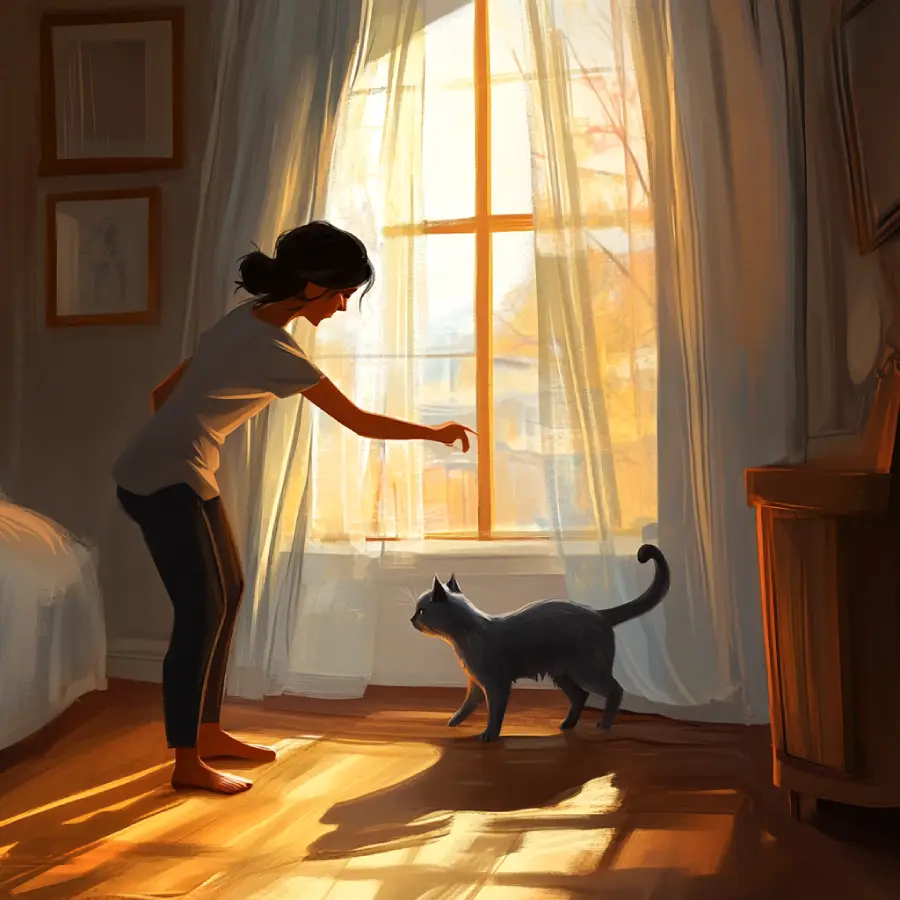
    In the beginning, I wanted to shower Luna with affection. I reached out every chance I could, trying to pet her, snuggle her, coax her into closeness.

    She wasn’t having it. She would stiffen under my touch, retreat to a quiet corner, or simply walk away. At first, I was hurt. Wasn’t I being kind? Didn’t she know I just wanted to love her?

    But Luna wasn’t rejecting me. She was teaching me. Teaching me that love isn’t always about closeness. That sometimes, respecting space is the most loving thing you can do.

    The Gift of Silent Wisdom

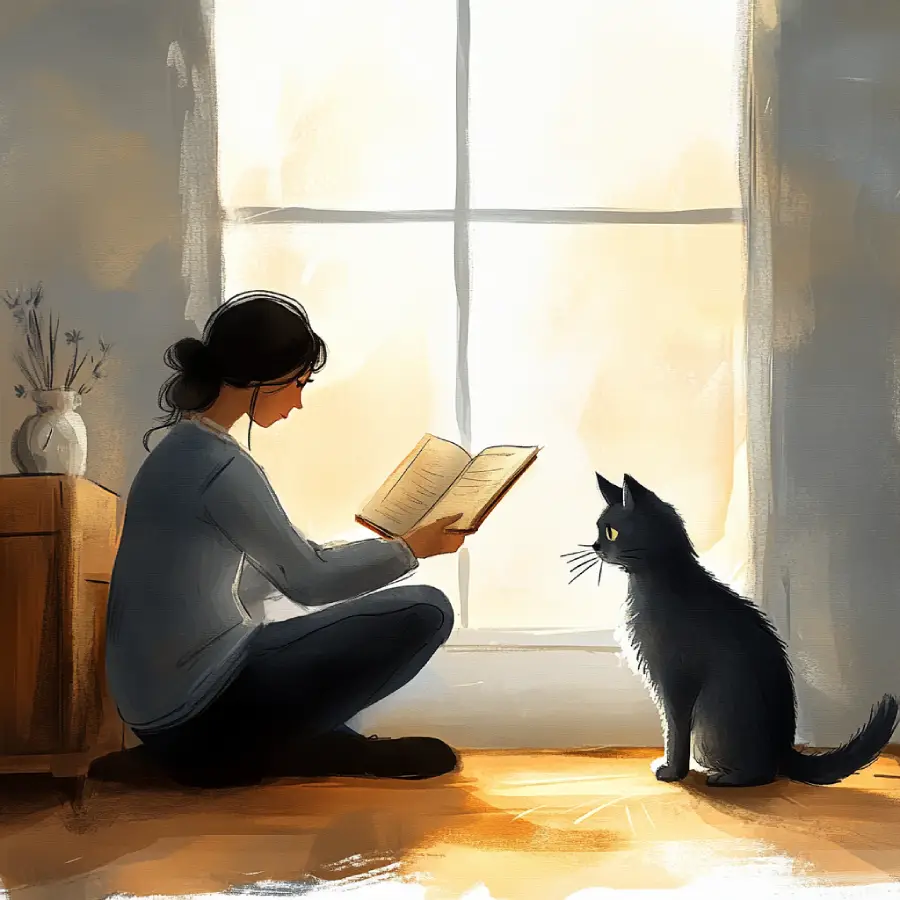
    Over time, Luna warmed up to me, but always on her terms. She’d sit by my side as I read a book, just far enough away to feel safe. Occasionally, she’d curl in my lap, but if I moved too much, she was gone. I began to understand her rhythms, her signals, her “no” and her “not now.”

    And strangely, as I learned to read and respect her cues, I began to reflect on my own. How often had I said yes when I meant no? How often had I let others cross my boundaries just to avoid discomfort or guilt? Luna didn’t feel guilty about walking away. She wasn’t rude, she was clear. And in her quiet clarity, I found something I had long been missing: self-respect.

    Boundaries as a Form of Love

    What I once saw as coldness, I now see as strength. Luna reminded me that boundaries are not walls; they’re doors we choose to open or close depending on what we need. They protect our peace. They clarify our relationships.

    She didn’t need to explain herself. She just modelled what it looked like to honour your own energy and space. In doing so, she invited me to do the same.

    A Lesson I Use Every Day

    Now, whether it’s in friendships, work relationships, or even my own inner dialogue, I ask myself: Am I respecting my own space the way Luna does?
    Am I recognizing when someone else needs theirs? Sometimes, the bravest thing we can do is simply say, “Not now,” and trust that it’s not rejection, it’s self-preservation.

    Grace in the Silence

    Luna still isn’t a cuddly cat. She’s selective, discerning, and deeply independent. And I wouldn’t have it any other way. Every time she chooses to sit beside me, I know it’s real. Not out of obligation, not out of guilt, just a genuine moment of connection.

    And when she walks away, I don’t chase her anymore. Because she taught me that love doesn’t always cling. Sometimes, it’s quiet. Sometimes, it’s still. And sometimes, the greatest kindness we can offer is the freedom to be.

    Thank you, Luna, for reminding me that boundaries aren’t barriers, they’re bridges to healthier, more authentic relationships.

  • One Leap, Many Lessons: A Gentle Fable About a Squirrel Who Learned to Glide

    One Leap, Many Lessons: A Gentle Fable About a Squirrel Who Learned to Glide

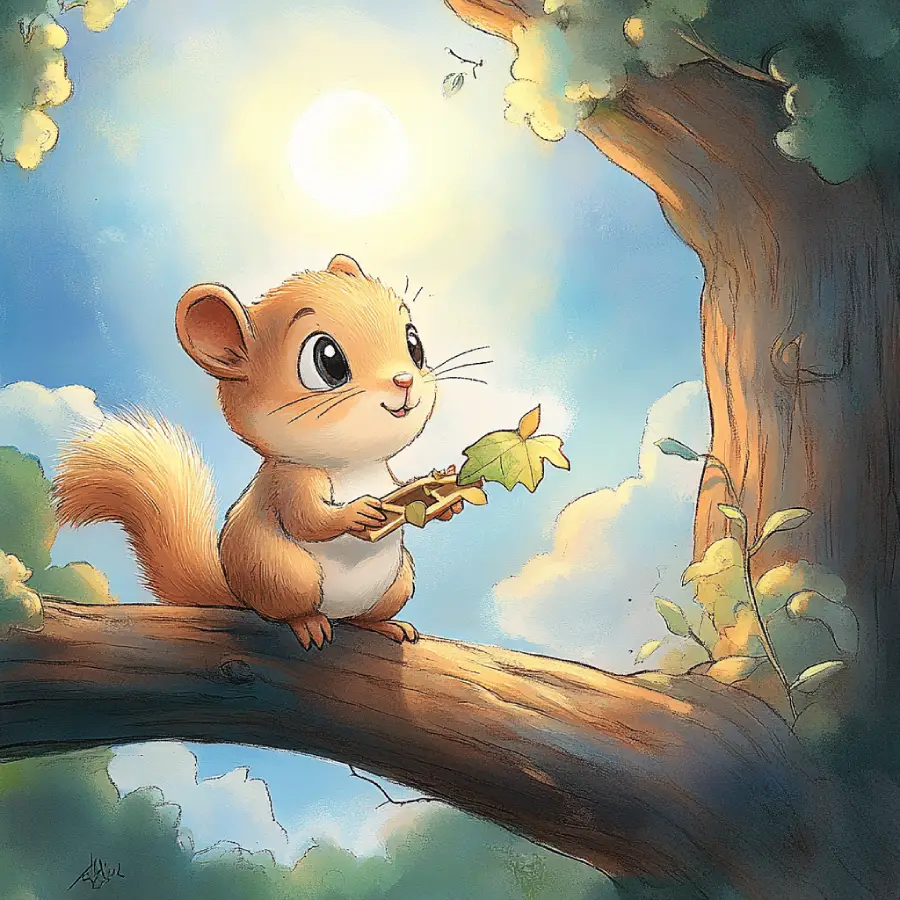
    Hi, I’m Quin. I’m a squirrel, branch runner, acorn saver, and distant dreamer.

    I’ve spent my life in the same patch of trees. Safe. Familiar. Predictable.

    But I always wondered, what’s out there? Beyond the tall oaks? Past the canopy, I’ve only seen from below?

    One day, I stopped wondering. I started building.


    1. Dreams Need More Than Imagination—They Need Action

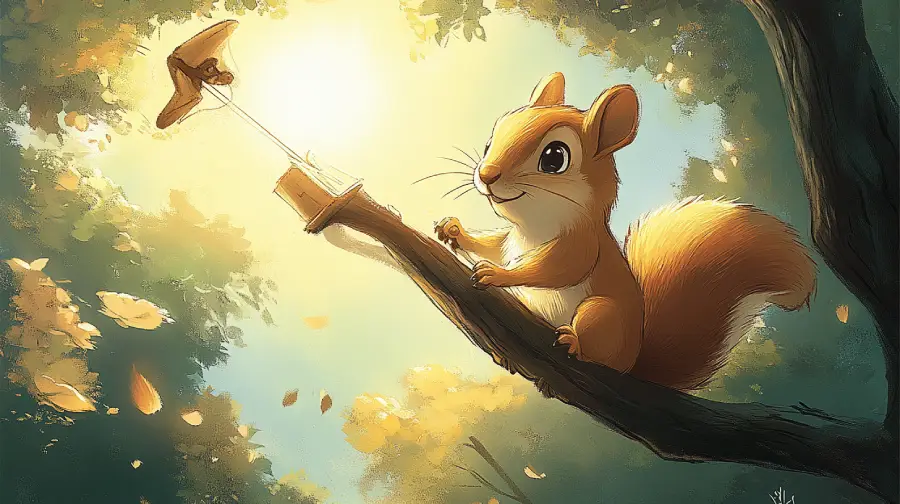
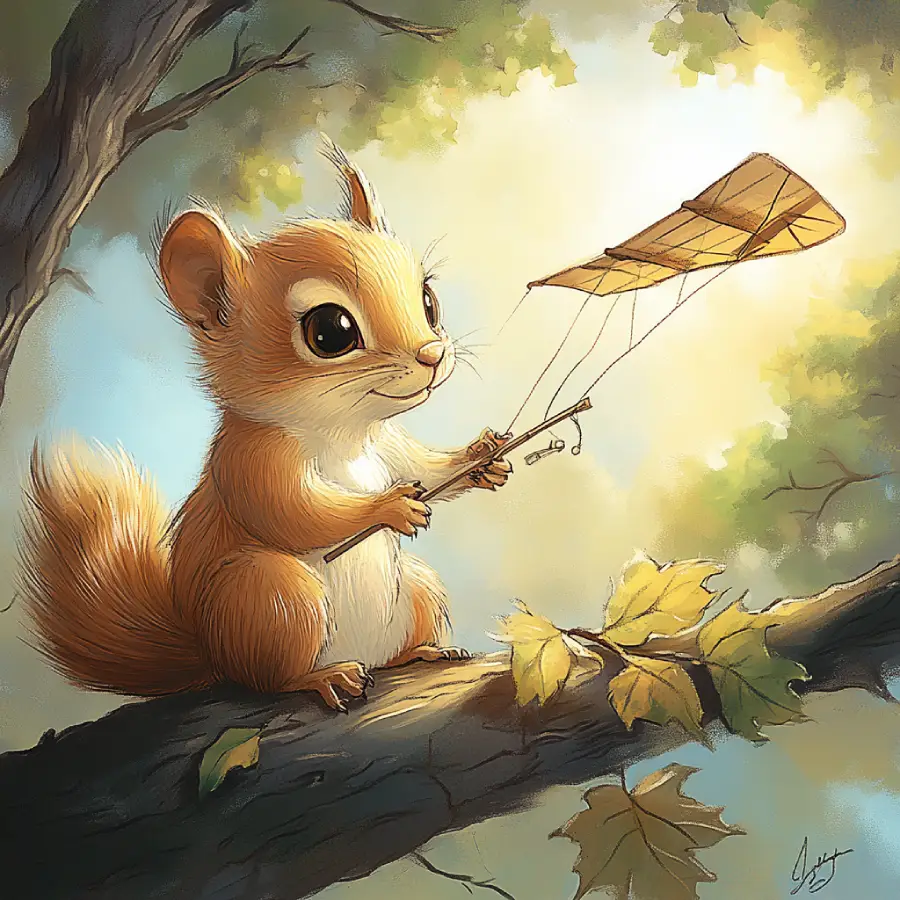
    It began with leaves, twigs, bark, and thread from an old kite that crashed nearby.

    Everyone laughed. “You can jump. Why fly?”

    But I wasn’t trying to escape, I was trying to explore. Wishing is lovely. But at some point, you have to tie the branches together and leap.

    Even dreams need scaffolding.


    2. Fear Doesn’t Always Mean Stop—It Often Means You’re Close

    The first flight was clumsy. I wobbled. The wind spun me. I landed in a heap of moss and embarrassment.

    I almost gave up. But the next morning, I climbed higher and tried again.

    Growth doesn’t feel graceful at first. That shaky, uncertain moment? It usually means you’re on the edge of something new.


    3. The View You Long For Often Requires Leaving What You Know

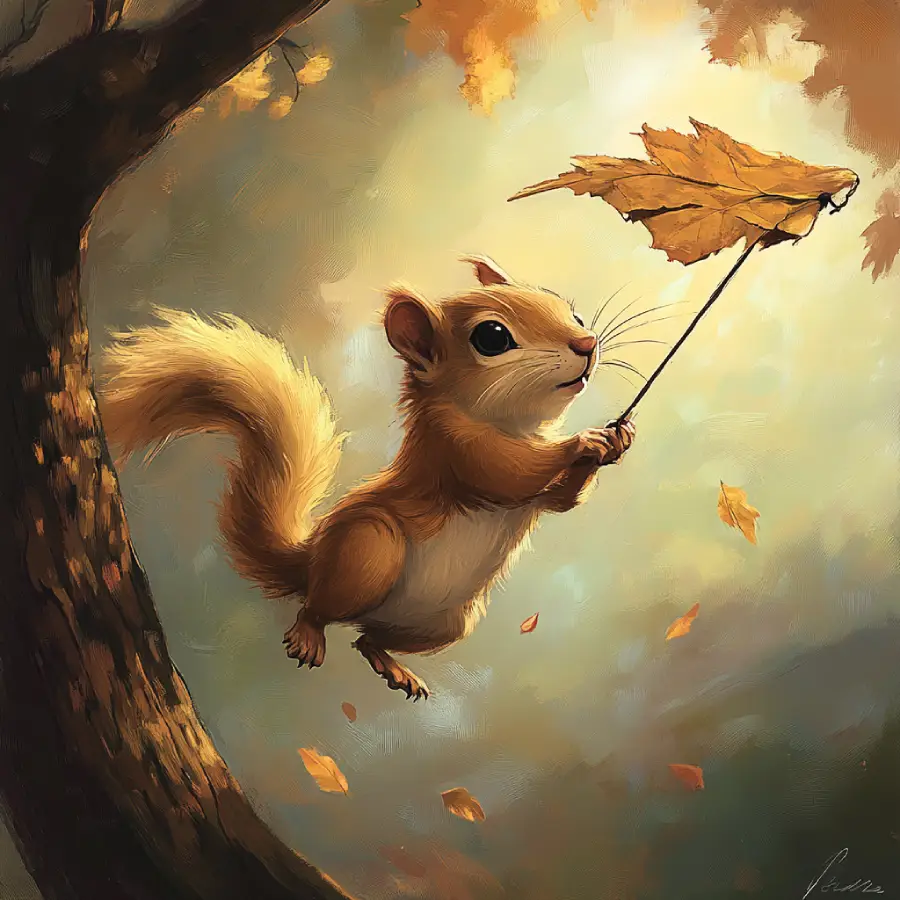
    Eventually, I soared, gliding past my old tree, over unfamiliar groves, catching breezes I never knew existed.

    The forest wasn’t smaller than I thought. It was bigger.

    I didn’t leave because I hated my home. I left because part of me hadn’t met itself yet. Perspective doesn’t live in comfort. It waits just beyond it.


    Final Thought from Quin

    We weren’t born just to repeat the same branch.
    We were made to wonder. To build. To rise.

    Because even a squirrel with a few sticks and a wild idea can catch the wind, and change the way it sees the world.