Tag: life lessons from animals

  • The Pelican Who Let Go: How Percy Found Peace

    The Pelican Who Let Go: How Percy Found Peace

    Hi, I’m Percy the Pelican. I’ve got a beak that can hold a small grocery store and a tendency to overpack, emotionally and otherwise. They say pelicans glide gracefully, but let me tell you that grace takes work… especially when your metaphorical baggage is heavier than your wingspan.

    Here are my 3 pelican-tested, ocean-breeze-approved rules for lightening your load :


    1. Let Some Things Go Overboard

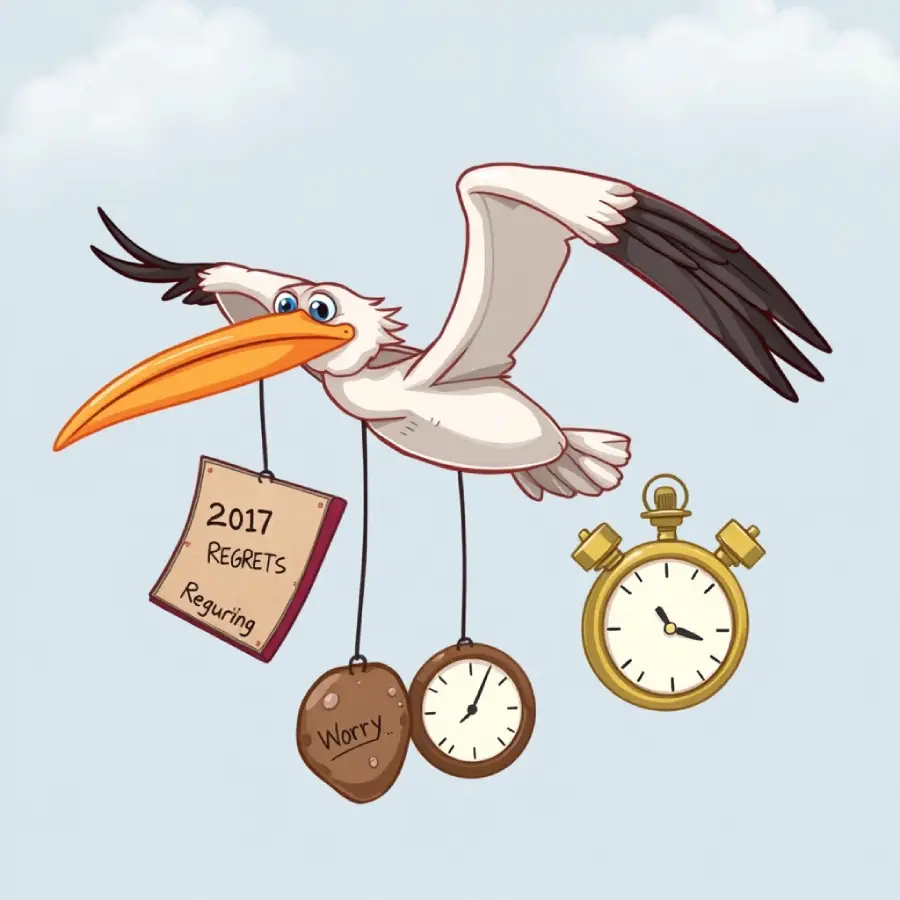
    Not every worry deserves a front-row seat in your brain. That awkward thing you said in 2017? Toss it. The to-do list item that’s been haunting you for months? Maybe it doesn’t need doing. The lighter the load, the smoother the flight.


    2. Don’t Pack “Just In Case” Emotions

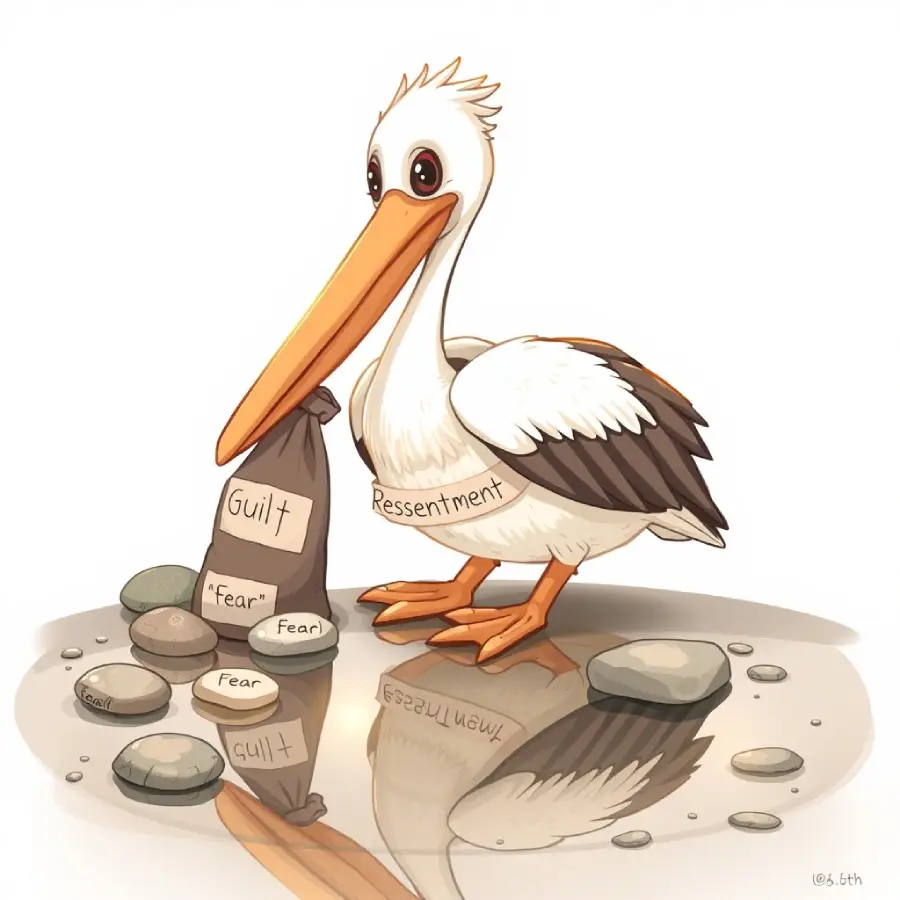
    Guilt, envy, resentment, they sneak into your heart, like emotional souvenirs. “Just in case” you need them later. You won’t. Travel emotionally light. Trust me, peace of mind fits better in your beak.
    3. Float When You Can

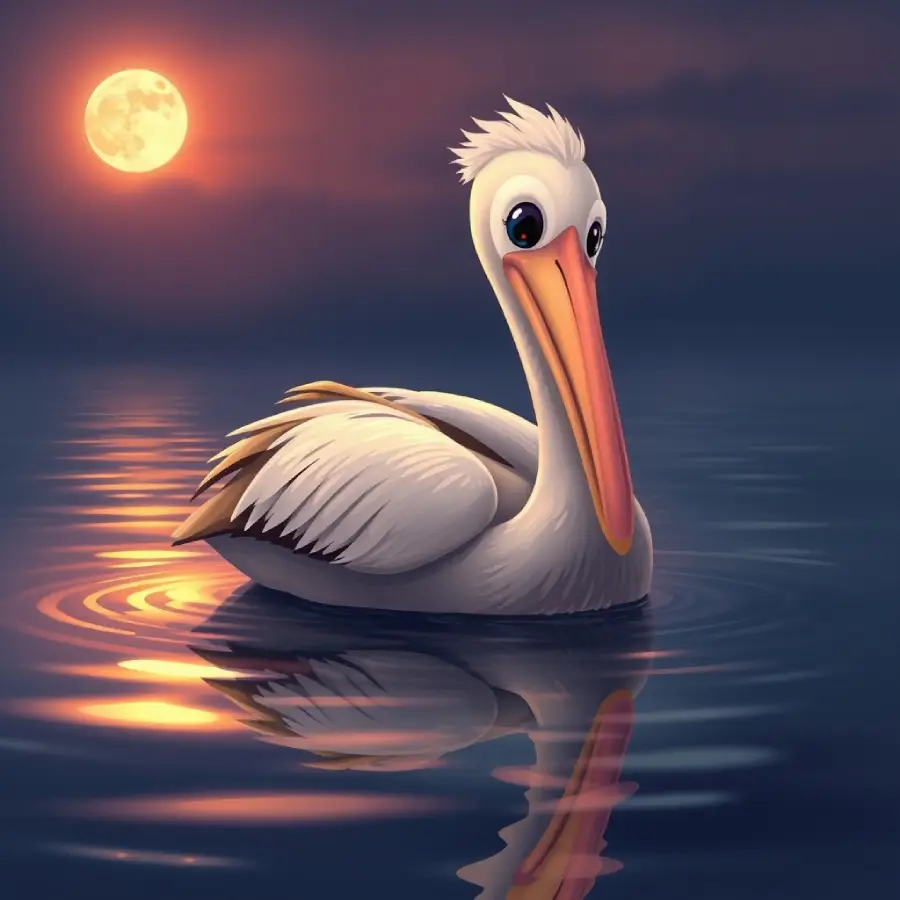
    Sometimes, soaring is too much. That’s okay. Float. Drift. Let the current carry you for a bit. Rest isn’t giving up, it’s trusting that the tide knows the way home.


    Final Thought from Percy

    You don’t have to carry it all to get where you’re going.
    Sometimes, the smartest thing a bird can do…
    is unpack.

    Because freedom? It isn’t just wings. It’s knowing when to put something down.


  • The Whale Who Sang at Night – How One Deep Note Helped Me Remember My Own Quiet

    The Whale Who Sang at Night – How One Deep Note Helped Me Remember My Own Quiet

    I wasn’t sleeping much. The noise in my head had grown louder than the world outside it, emails unanswered, deadlines unmet, relationships misfiring in that subtle, unspectacular way that doesn’t make headlines but leaves bruises just the same.

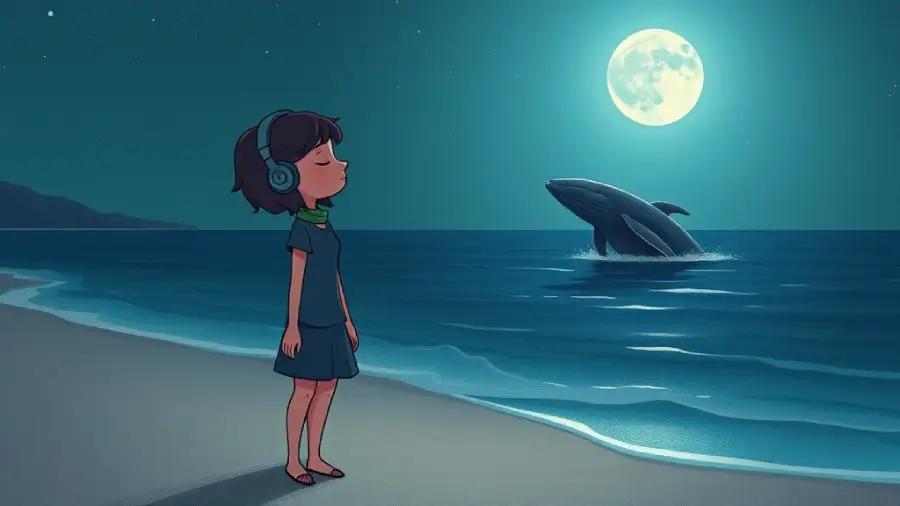
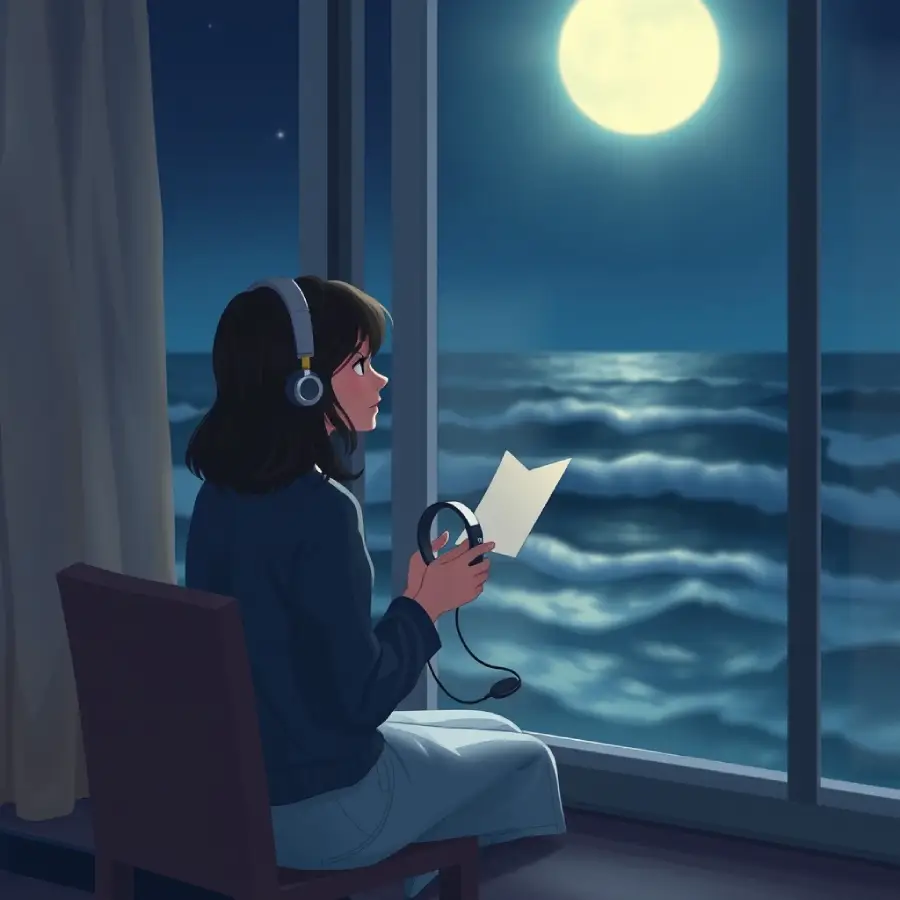
    So I walked. At night, mostly, with a pair of old headphones and a playlist built more from desperation than curation. I wasn’t searching for anything. Just silence that didn’t feel empty. And then, one evening, beneath the low hum of street lamps and the distant hiss of passing cars, I heard it.

    A sound so deep and resonant it didn’t feel like it entered through my ears, but through my bones. It was a whale. Singing.

    Unexpected Encounters: How Nature Finds You Where You Are

    I didn’t remember adding the track. Some field recording, probably, oceanic ambience meant to relax anxious minds. But this was different. This wasn’t background noise. This was deliberate, haunting, mournful. The whale sang long, slow notes that bent time. I stopped walking.

    In the dark, under an indifferent sky, I stood frozen as the sound filled me. And for the first time in weeks, the tightness in my chest loosened, not because anything was solved, but because I didn’t feel so alone.

    I went home and looked it up. A humpback, they said. The recording had been captured miles off the coast, decades ago. A single whale, calling out into the vast blue with no guarantee of reply. And yet, he sang anyway.

    When a Song Knows You: The Healing Power of Unexpected Connection

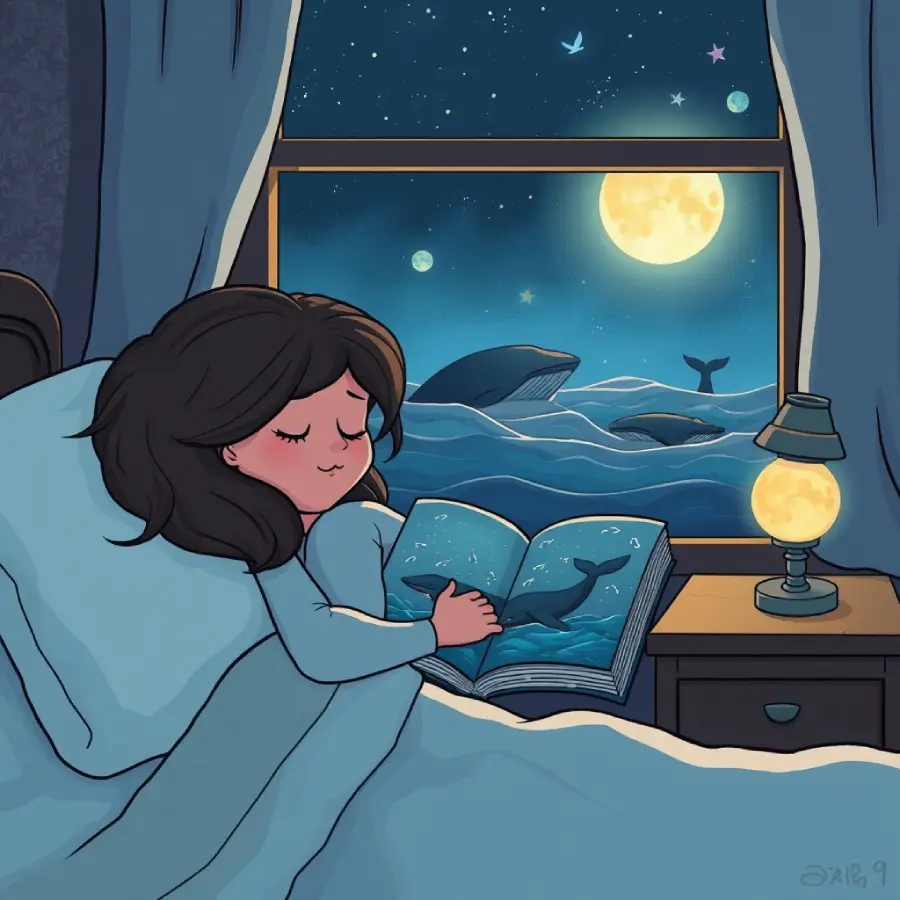
    Every night after that, I listened to him. Sometimes in bed. Sometimes in the bath. Sometimes, while staring at the ceiling, I wish for answers. I never gave the whale a name, but I spoke to him in my head.

    I told him things I didn’t tell anyone else. About the way I used to write poems before I worried whether they were good. About the person I loved who left quietly, as if they’d never belonged to my story in the first place. About the fear I wore under my clothes, disguised as ambition.

    And the whale? He just kept singing. Long, slow notes. No judgment. No solutions. Just presence. There’s a kind of healing in being met like that, without expectation, without urgency. Just acknowledged.

    Carrying the Song Forward, When You Remember to Breathe Again

    Eventually, the noise in my head softened. Life didn’t change dramatically; there were still deadlines, mismatched conversations, sleepless nights, but something had shifted inside me.

    Now, sometimes when things spin out again, I go walking and I play that same recording. I let the whale sing to me like he did that first night. And I remember: there’s still mystery in the world. Still connected without language. Still, something ancient and kind beneath the surface of everything.

    He never knew I was listening. But he sang anyway. And somehow, that was enough.

  • The Penguin’s Polar Pursuit – How Pippin Found the Ice Crystal and Became Guardian of the Frozen World

    The Penguin’s Polar Pursuit – How Pippin Found the Ice Crystal and Became Guardian of the Frozen World

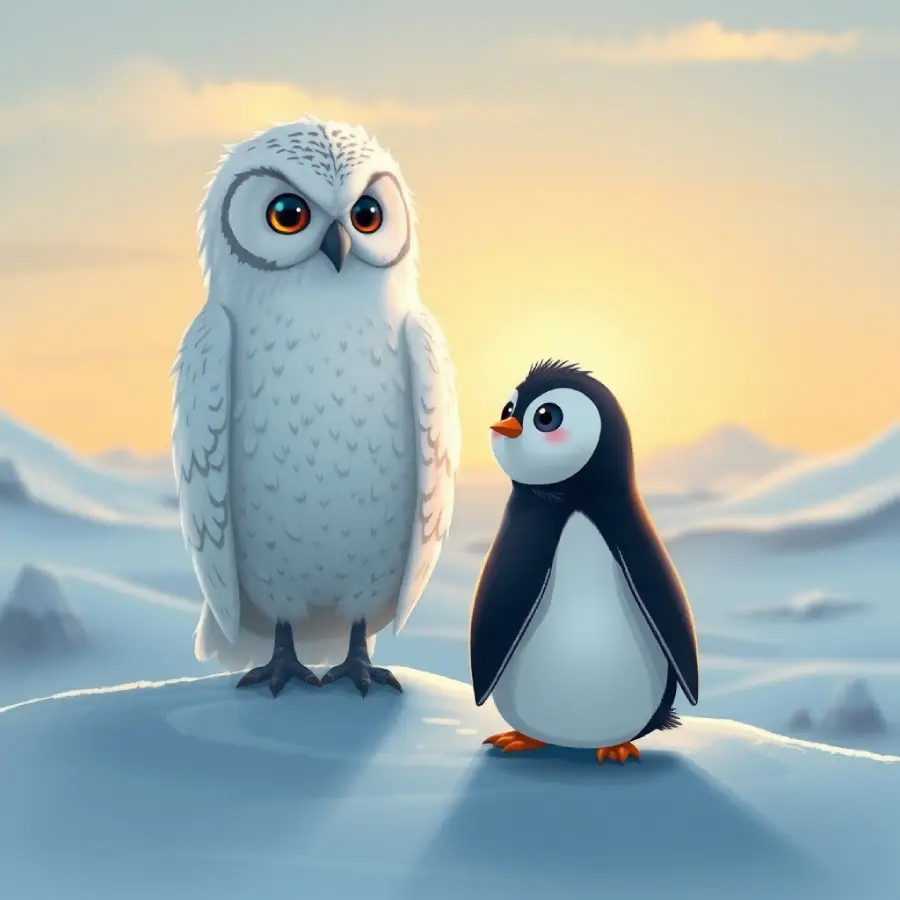
    Once upon a frozen morning in the heart of the South Pole, a young penguin named Pippin stood on the edge of a snowy cliff, staring out over the glistening ice fields. Pippin wasn’t like the other penguins, he had always dreamed of going on a grand adventure.

    “I want to find the legendary Ice Crystal,” he told his best friend, a wise old snowy owl named Orla. “They say it glows with the colors of the aurora and holds the power to protect the entire polar land.”

    Orla fluffed her feathers thoughtfully. “It’s not just a legend, Pippin. But the journey is long and full of surprises. You’ll need courage, and maybe a little help from some unusual friends.” With a heart full of excitement, Pippin slid off the cliff and began his polar pursuit.

    Through Ice Caves and Snowy Secrets

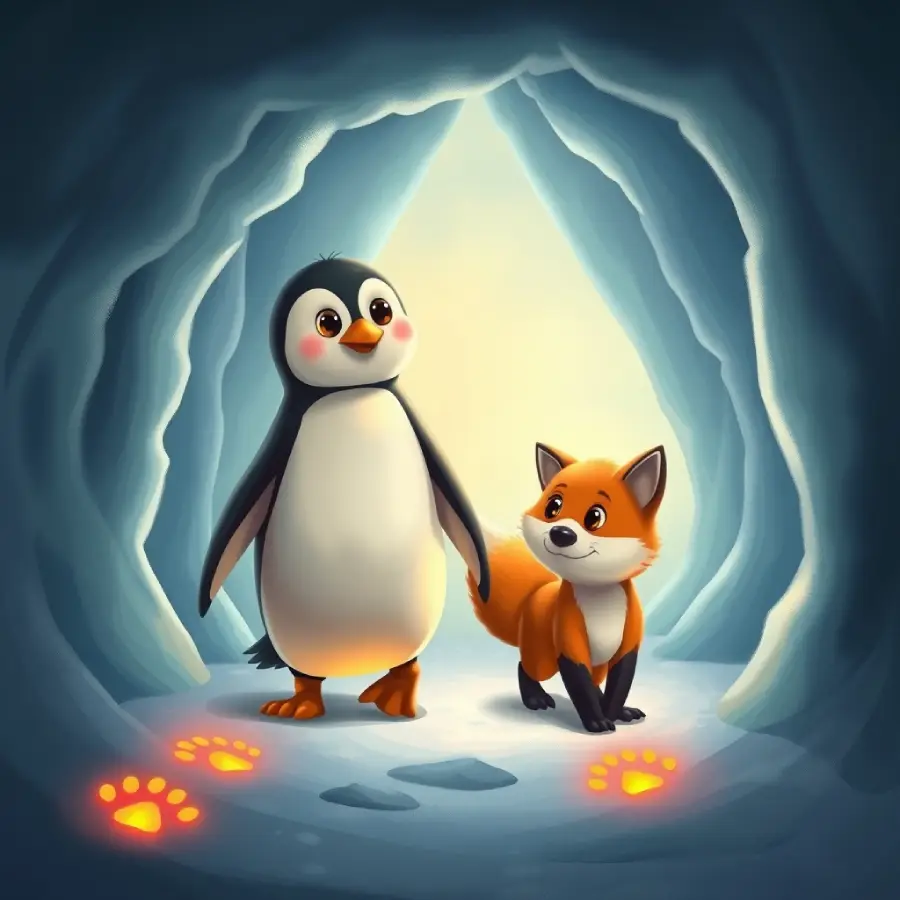
    Pippin waddled across frozen lakes and icy plains, following ancient carvings left by explorers long ago. One snowy day, while resting beside a glittering iceberg, he met a playful arctic fox named Freya.

    “You’re searching for the Ice Crystal?” Freya grinned. “Then you’ll need to pass through the Echo Caves.”

    Together, they made their way into the shimmering ice caves where every sound echoed like a song. Deep inside, they discovered glowing paw prints that pointed the way forward. Freya and Pippin followed them through swirling snow tunnels and frost-covered bridges. Suddenly, the ground rumbled, and a snow slide blocked their path!

    The Guardian of the Glacial Peak

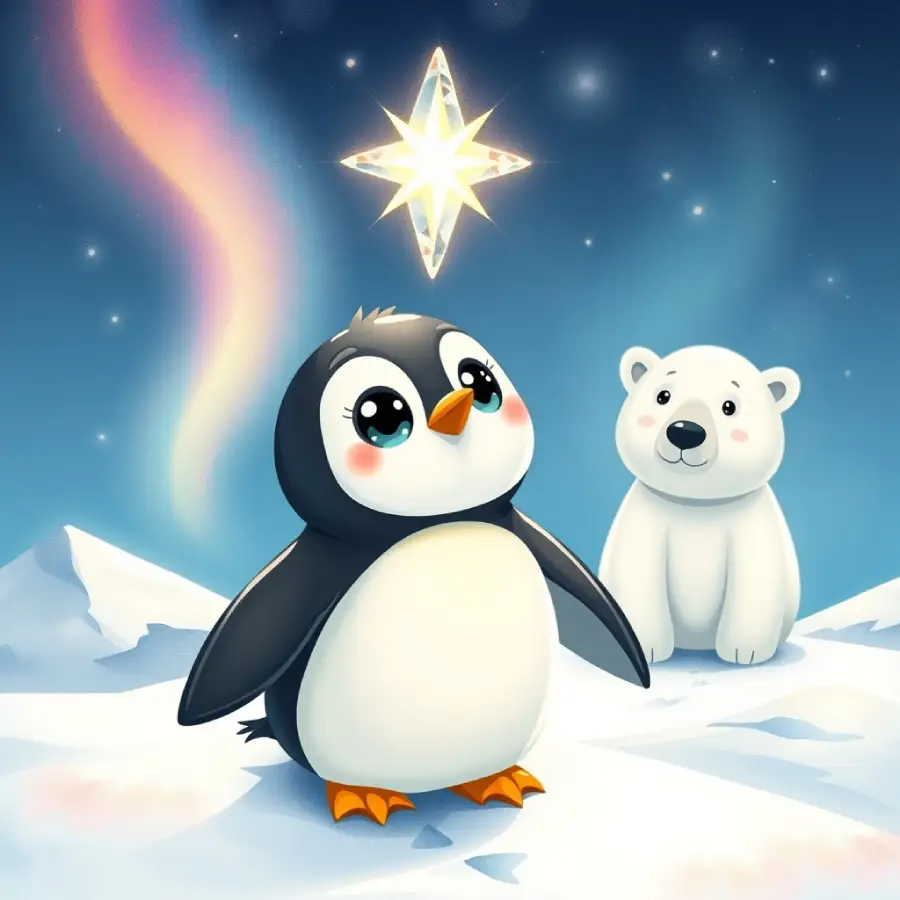
    Just when things seemed impossible, a massive shape appeared through the snowstorm. It was a gentle polar bear named Bjorn. He lifted the snow with ease and smiled down at them.

    “You’re brave little travelers,” Bjorn said. “The Ice Crystal lies beyond the Glacial Peak. But beware—the wind tests your heart and your spirit.”

    With Bjorn’s guidance, they climbed the icy cliffs together. At the summit, bathed in moonlight, stood a glowing crystal shaped like a starburst, floating above the ice on a pillar of frozen mist. As Pippin approached, the wind swirled around him, whispering truths and testing his resolve. But with his friends by his side, his heart stayed strong.

    A Crystal’s Light and a Promise Made

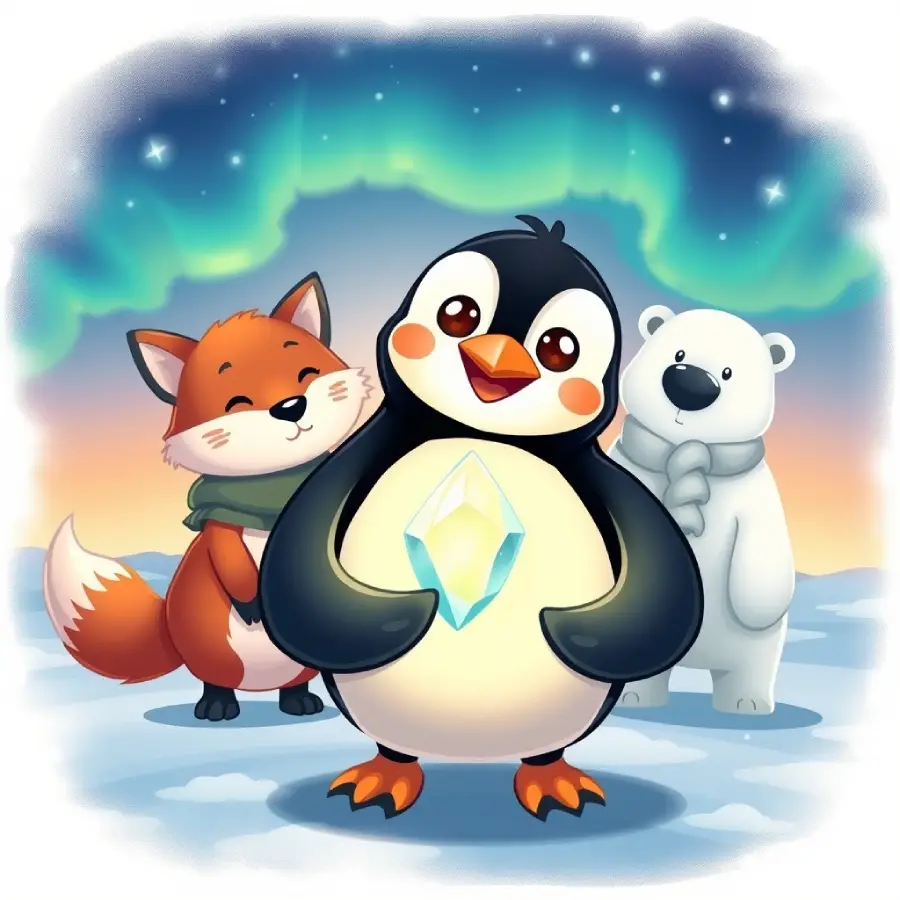
    The Ice Crystal shimmered with colors that danced like the northern lights. As Pippin touched it gently, warmth spread through the snow and air. A voice echoed softly, “The one with a pure heart shall protect the cold lands.”

    The crystal glowed even brighter, and Pippin knew his journey had changed the world.

    Freya, Bjorn, and Orla joined him at the peak. “You’ve done it, Pippin,” Orla said proudly. “You’ve become a guardian of the polar lands.”

    As they returned home, the skies lit up with auroras. Pippin made a promise to protect the frozen world and keep its magic alive.

    And on quiet polar nights, when the wind whistles through the ice, you might just hear the echoes of Pippin’s Polar Pursuit.

    The End!

  • The Hedgehog’s Quiet Warning – What a Small Animal Taught Me About Rushing, Rest, and Rolling Back In

    The Hedgehog’s Quiet Warning – What a Small Animal Taught Me About Rushing, Rest, and Rolling Back In

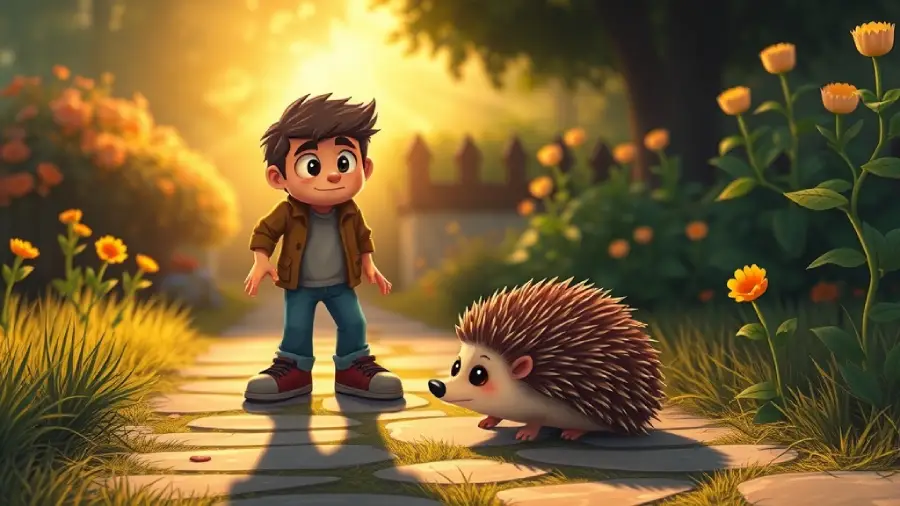
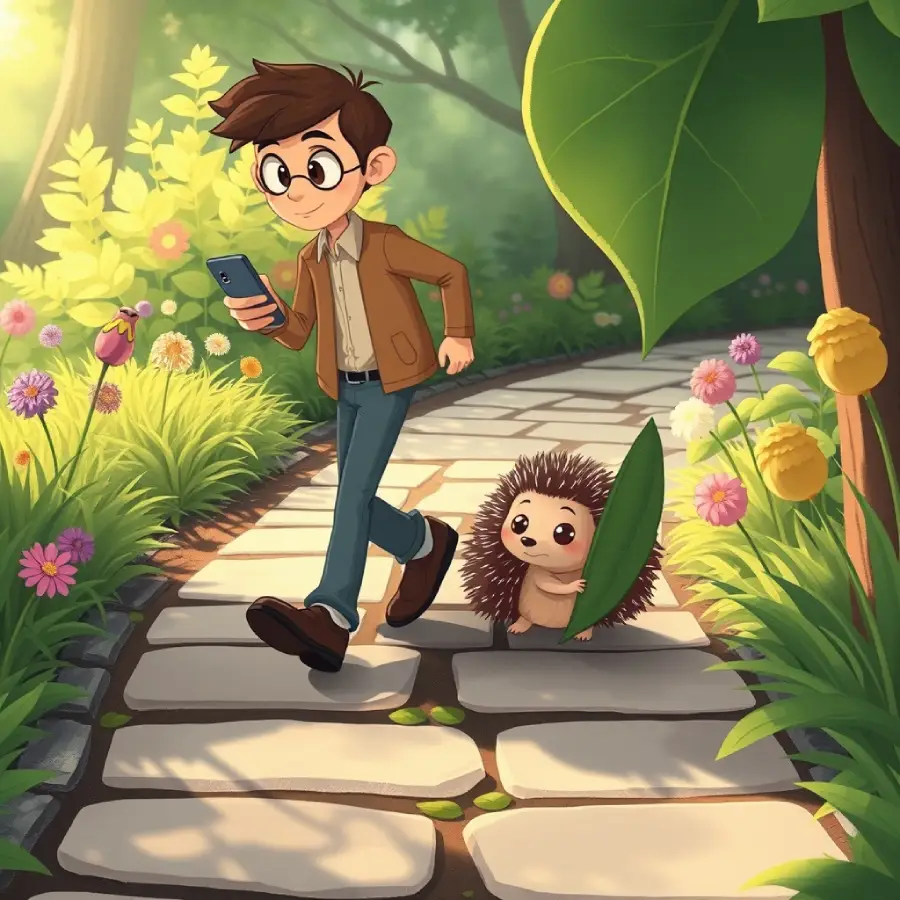
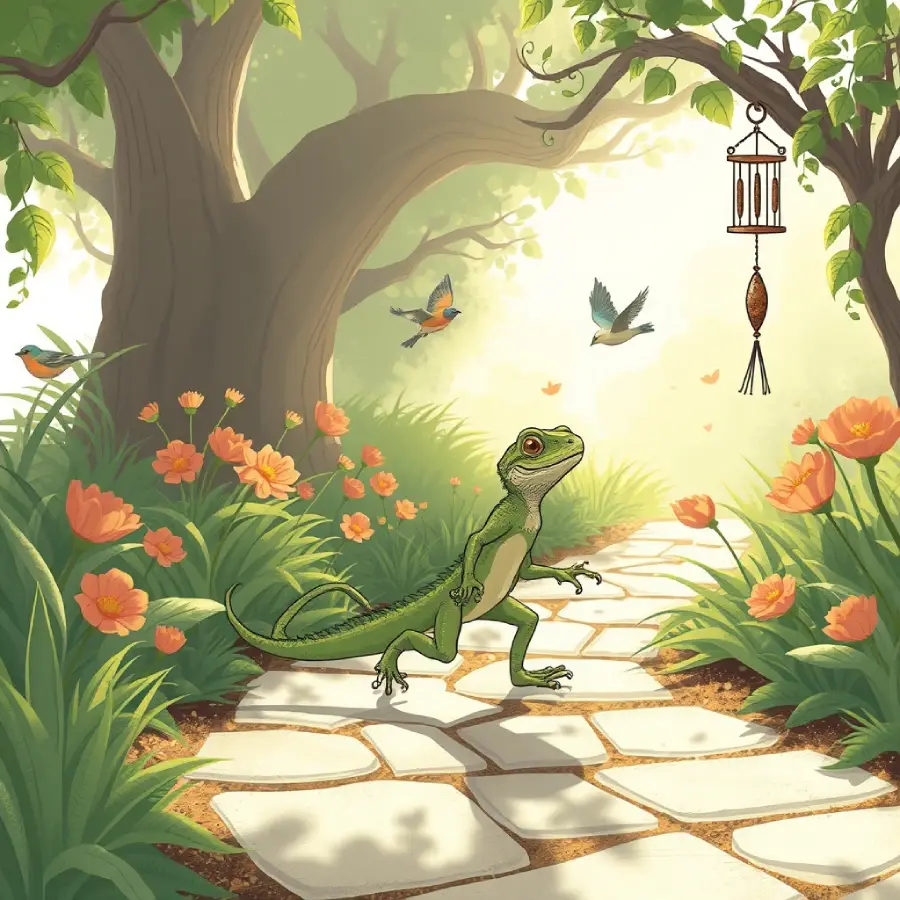
    I met her in early spring, when the frost was still pulling back from the earth. She was small, round, and hesitant, crossing the flagstone path in the back garden like she had all the time in the world.

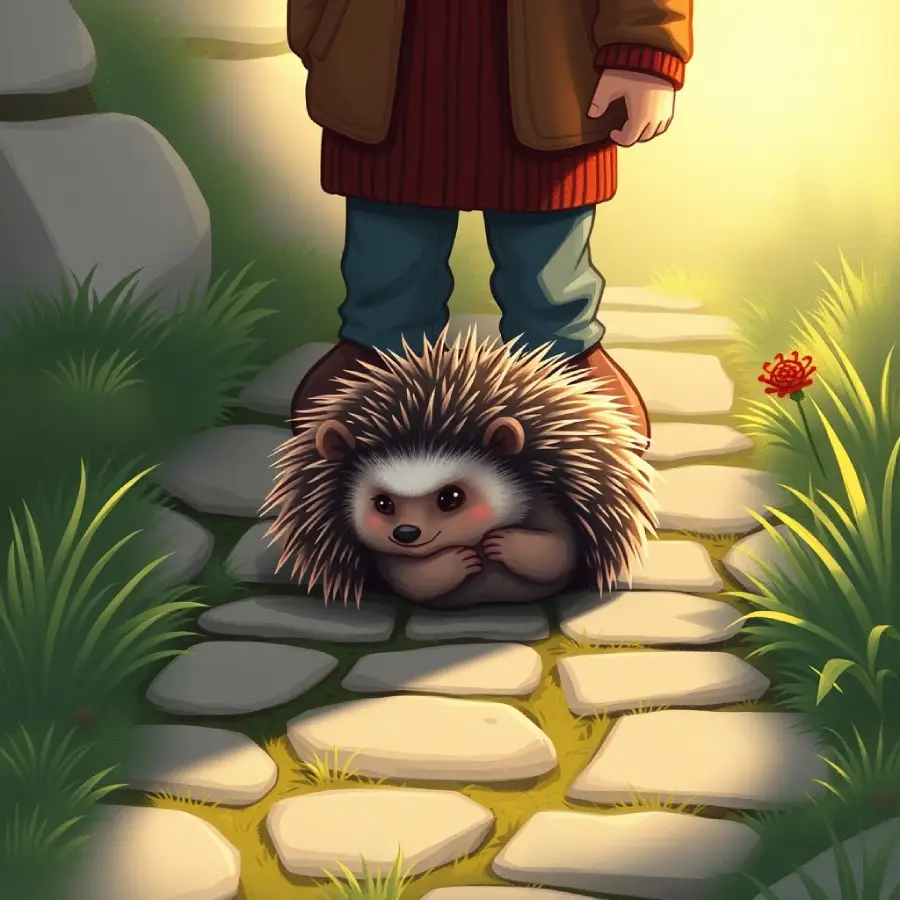
    I nearly stepped on her. I was rushing out with my phone in one hand and a to-do list in the other. She froze. I stopped. We stared at each other. And then, just as I began to step forward again, she tucked herself into a tight, silent ball of bristles.

    I took a step back. Only then did she begin to move again, slowly, deliberately, as if nothing had happened. I laughed a little to myself, shrugged it off. But it didn’t end there.

    She returned. Not every day, but often enough to be noticed. And always, when I was moving too fast, too loudly, she’d curl up again, her silence more striking than a shout.

    A Soft Refusal That Spoke Volumes

    She became my unexpected mirror. Not with judgment, but with clarity. If I stormed into the yard talking to myself, muttering frustrations, hurrying to trim or fix or control, she vanished. Curled. Gone.

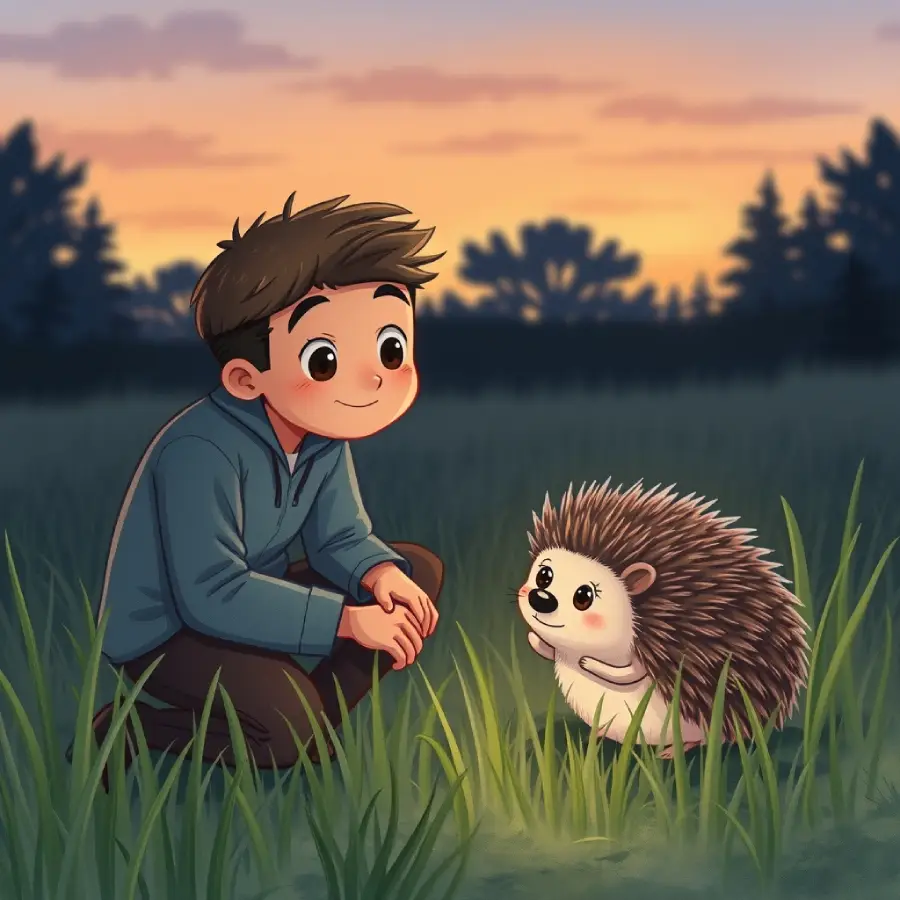
    But if I moved slowly, left my phone inside, wandered with intention instead of impulse, she stayed. Ate. Breathed. Shared space with me.

    Her warning wasn’t harsh. It was subtle. A quiet refusal to participate in chaos. She didn’t need to fight or flee. She simply stopped. And her stillness asked me a question I wasn’t used to hearing: Why are you always rushing?

    Learning to Slow by Watching Stillness

    Over time, I adjusted. Not just in the garden, but in everything. I noticed when my voice rose unnecessarily. When my days blurred together with noise and urgency. When I bulldozed through moments that deserved attention.

    The hedgehog taught me with presence, not performance. She reminded me that not every reaction must be dramatic. That boundary can be quiet. That stillness is a form of wisdom, not weakness.

    Sometimes, just rolling into yourself is enough to signal: Not now. Not like this. And sometimes, that pause is all it takes for the world to soften around you.

    The Warning I Now Carry With Me

    By summer, she stopped appearing. Perhaps she moved on. Perhaps she didn’t need to return.

    But the lesson stayed. Her quiet warning echoes in me every time I feel myself tipping into overdrive, when I’m tempted to rush through a conversation, dismiss a small joy, or override my own need for rest.

    She didn’t preach. She didn’t ask me to change. She simply showed me what happens when we make too much noise around what deserves quiet. Now, when I sense myself charging ahead blindly, I pause.
    I remember her stillness.
    I curl inward, breathe, and wait until I’m ready to step forward more gently.

    Some wisdom doesn’t arrive in words.
    Sometimes, it rolls into a ball at your feet and waits for you to notice.

  • The Rabbit Who Rode the Wind – A Kids’ Tale About Remy and His Sky-High Journey

    The Rabbit Who Rode the Wind – A Kids’ Tale About Remy and His Sky-High Journey

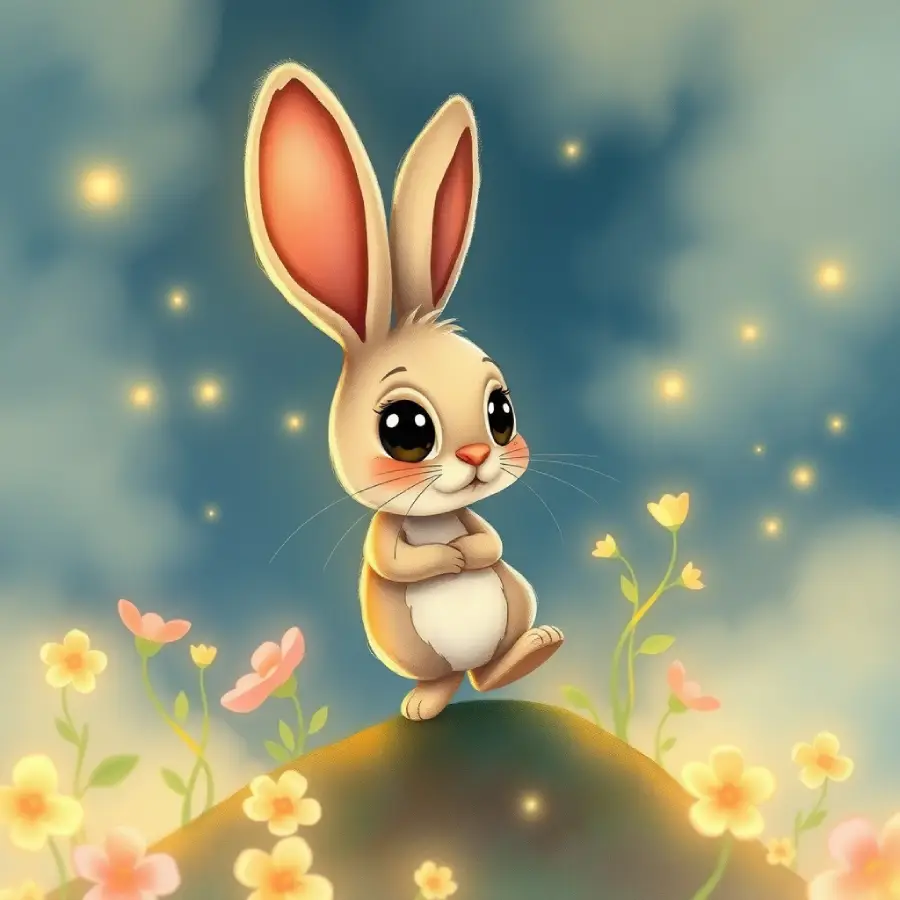
    In a meadow where the grass whispered secrets and the moon peeked gently through the trees, lived a young rabbit named Remy. Remy was no ordinary rabbit. While others hopped and nibbled and snuggled in their burrows, Remy dreamed of the wind, of flying, soaring, and drifting high above the world like the clouds he watched every night.

    “Someday,” he whispered, “I’ll ride the wind and see where the dreams begin.” Little did he know… the wind was listening.

    The Whisper at Dusk

    One evening, just as the stars blinked awake and fireflies painted the dusk, a soft breeze curled around Remy’s fur.

    It wasn’t a regular breeze. It shimmered slightly, like moonlight on a bubble. “Are you ready?” it whispered in a voice like a lullaby.

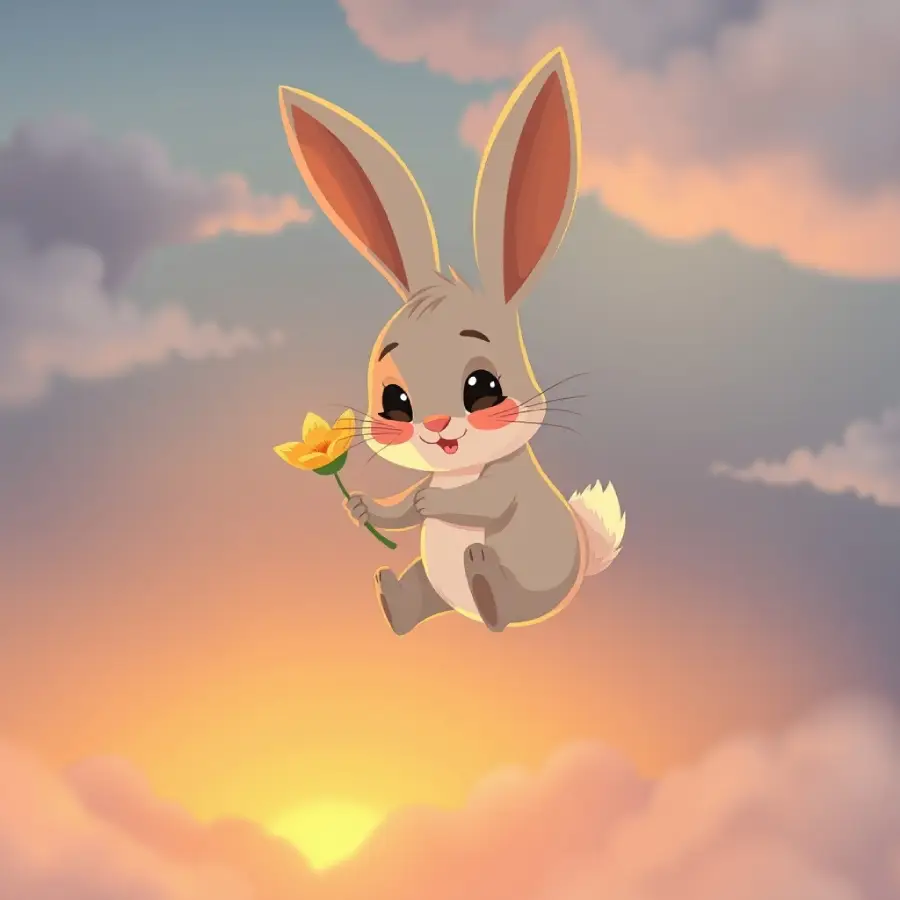
    Remy’s ears perked. “Ready for what?” The breeze swirled gently beneath his paws and lifted him, slowly, softly, into the air.

    “To ride the wind,” it said. Remy gasped as the meadow fell away and the sky opened wide like a storybook.

    Dreams in the Clouds

    Higher and higher they floated, over treetops and sparkling streams.

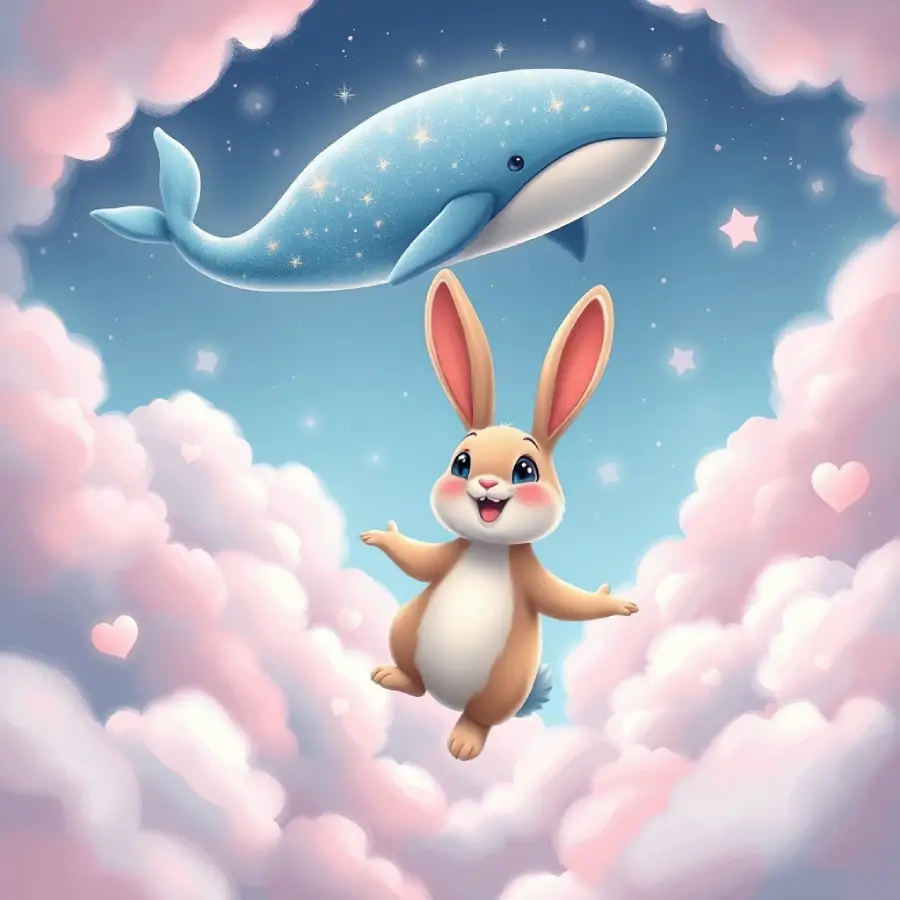
    Clouds shaped like teacups, castles, and cotton candy drifted past. Remy bounced from one to the next, giggling, his whiskers tickled by stardust.

    They passed a Dream Whale swimming through the night sky, its fins gliding through stars. “Where do you go, little rabbit?” it rumbled kindly. “Wherever the wind carries me,” Remy replied with a happy twitch of his nose.

    A Visit to the Dream Garden

    Soon, the breeze carried Remy to a glowing hilltop in the sky, a place known only in dreams, the Moonflower Garden.

    Silver vines glowed underfoot, and sleepy blossoms opened only when touched by dreamers. Remy tiptoed through, and the flowers bloomed in soft puffs, one shaped like a toy carrot, another like a favourite bedtime blanket.

    The breeze hummed, “These are dreams waiting to be planted.” Remy carefully placed one moonflower in his satchel. “For my little sister,” he whispered. “She’s had scary dreams lately.”

    The Ride Back Home

    As the stars yawned and the sky began to soften with early light, the breeze wrapped gently around Remy once more.

    “Time to return,” it said. With a sigh and a sleepy smile, Remy nestled into the current, floating down like a feather through dawn’s hush.

    He landed softly beside his burrow, the moonflower still glowing in his paw. That night, he planted it outside the den. And when his sister closed her eyes, she dreamed of flying bunnies, wind-whales, and clouds made of marshmallows.

    The End !

  • Simon the Salmon Who Heard the River

    Simon the Salmon Who Heard the River

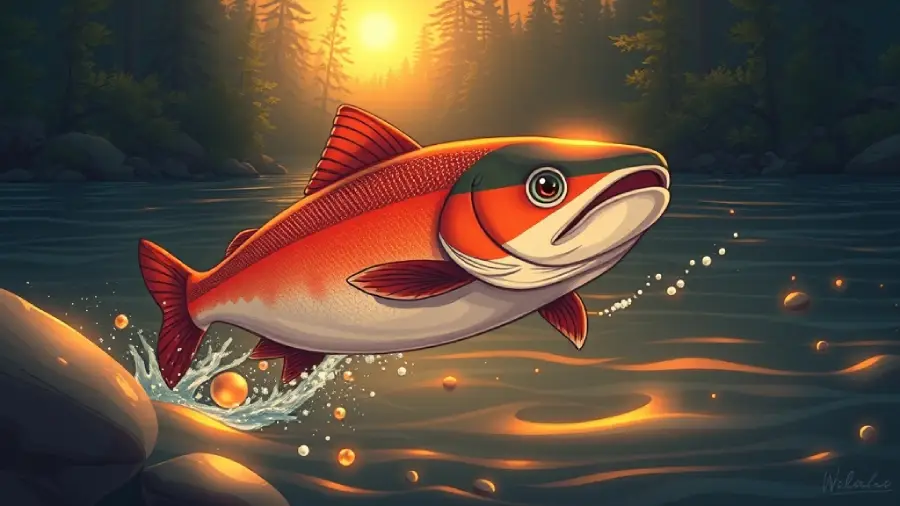
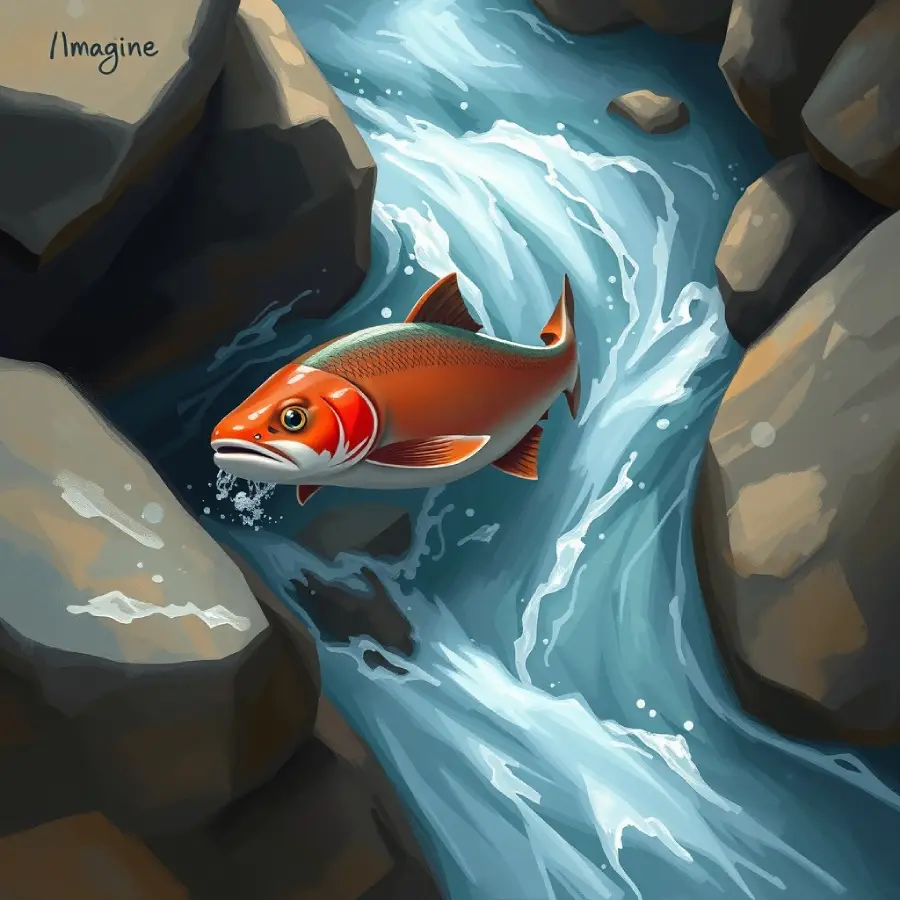
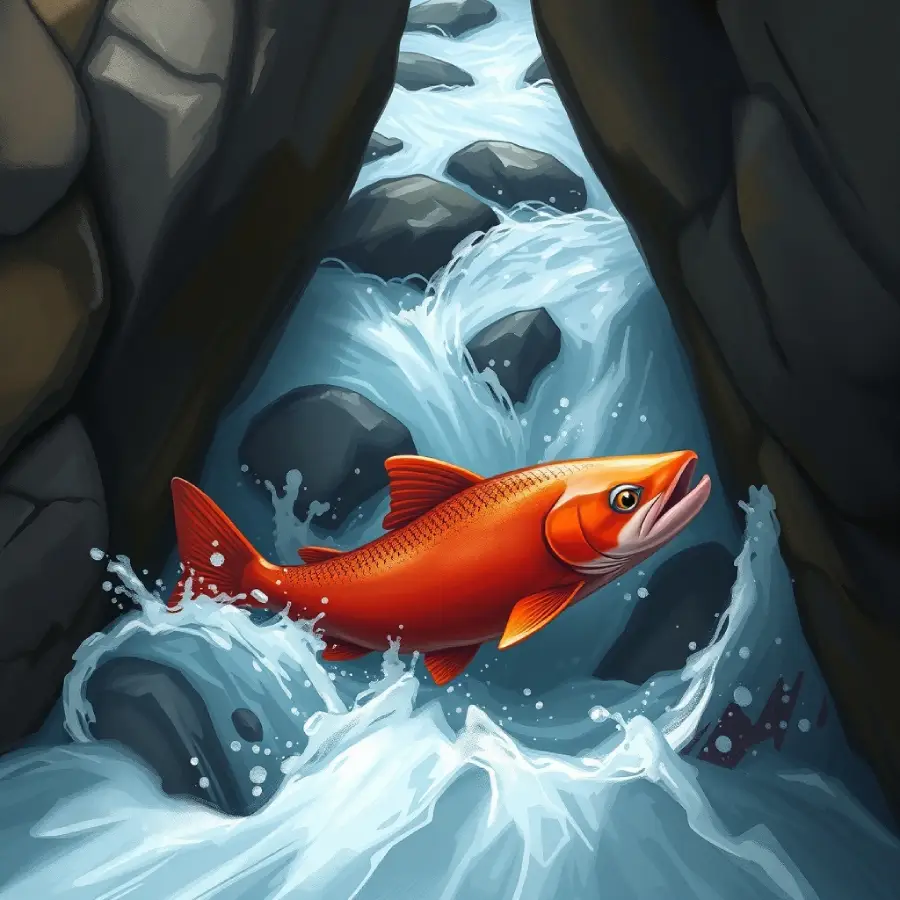
    Hi, I’m Simon the salmon, strong fins, upstream dreams. Most creatures think we’re just born to swim against the current. But the truth? We don’t just fight the river… we listen to it.

    The river speaks, if you’re quiet enough. It whispers truths in every twist and turn. Here are my 3 current- tested, instinct-approved lessons from listening deeply:


    1. Trust the Pull

    I didn’t always understand why I swam upstream. It hurt. It was hard. But something deeper guided me. Not logic, instinct. Life will call you places you don’t fully understand. Trust the tug. Your path may be tough, but it’s true.


    2. Flow with Resistance

    Rocks. Rapids. Detours. I used to fight everything in my way. But the river taught me: resistance isn’t your enemy, it’s your teacher. Flow around obstacles. Learn their shape. Let them shape you, too. Strength isn’t just pushing forward, it’s learning how to move with purpose.


    3. Return to What Matters

    We salmon always circle back, homeward, heartward. Not out of habit, but meaning. Life isn’t just about forward motion. Sometimes the bravest thing is returning: to your roots, your truth, your peace.


    Final Thought from the Salmon

    The river doesn’t shout. It murmurs. It nudges. And if you listen, really listen, it tells you everything you need to know. So today, trust what pulls you. Don’t fear the current.

    And remember, it’s not always about the destination. Sometimes, the river is the lesson.


  • The Lizard Who Listened to Music

    The Lizard Who Listened to Music

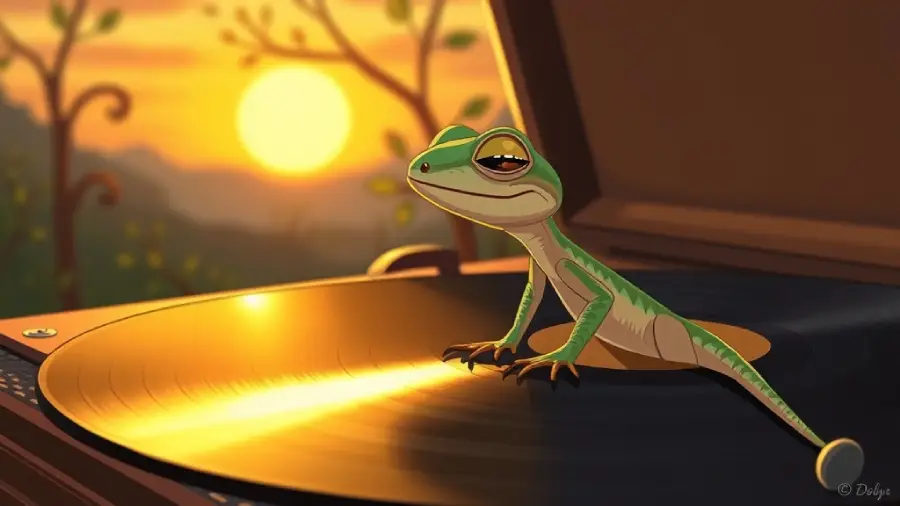
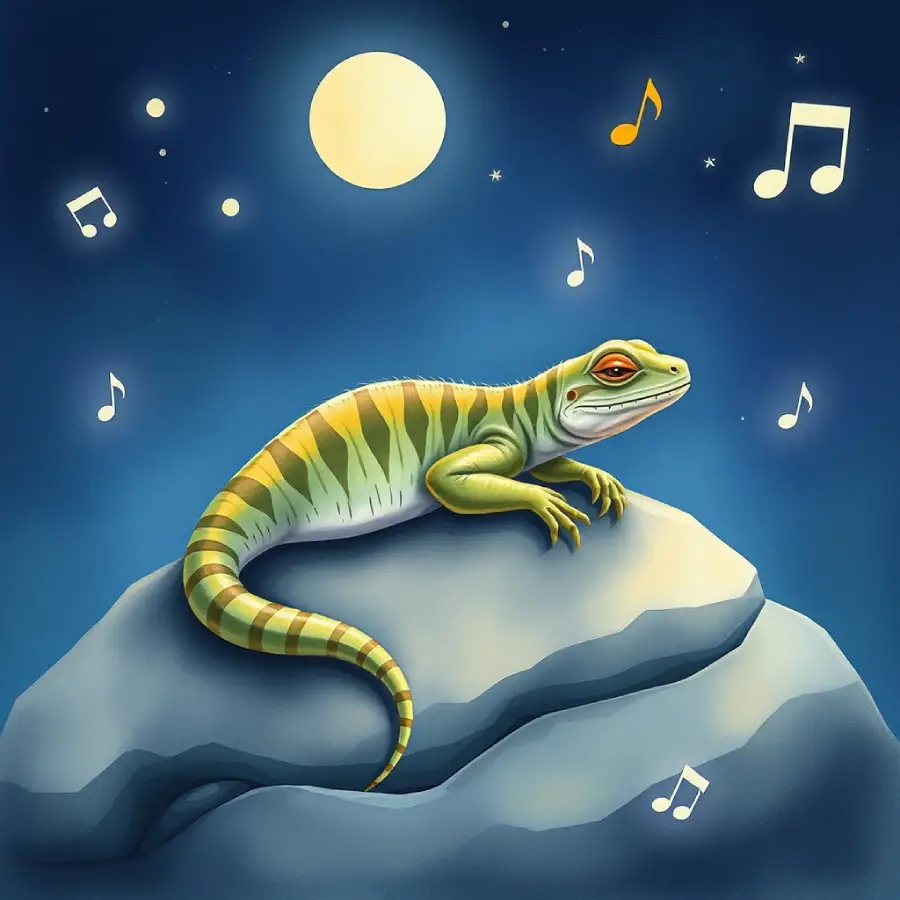
    Hi, I’m Harmony. I’ve got cool scales, sharp ears, and a playlist for every mood. I wasn’t always into music; once, I just basked in silence. But one rainy afternoon, I crawled behind a record player… and everything changed.

    That beat? That melody? It wasn’t just sound. It was something deeper. Music didn’t just fill the room, it filled me. Here are my 3 sound-checked, soul-approved rules for tuning into life:


    1. Let Life Set the Tempo

    Some days are jazz, unexpected, and wild. Others they’re slow ballads. I used to fight the rhythm, trying to speed up or slow down everything. But life flows better when you move with its tempo. Don’t rush the quiet moments. Don’t resist the crescendos.


    2. Feel It Fully

    When a song hits, it hits. Sometimes I sway. Sometimes I still. Music taught me not to numb things down. Joy, sadness, nostalgia, let it all play through you. Emotion is how we stay human (or reptile). Stop skipping tracks. Feel the whole album.

    3. Make Space for Stillness

    Silence is music, too. In the gaps between notes, meaning lives. I find peace in the pause, between conversations, in the early morning, or right after a song ends. Stillness isn’t empty. It’s where we catch our breath, and often, ourselves.


    Final Thought from Harmony

    I used to think music was just background noise. Now I know it’s a language, one that listens back if you let it. So today, match your steps to the rhythm. Feel what you need to feel. And don’t be afraid of silence.

    Because when you really listen, you don’t just hear the world, you understand it.


  • The Gecko Who Got Lost in Art

    The Gecko Who Got Lost in Art

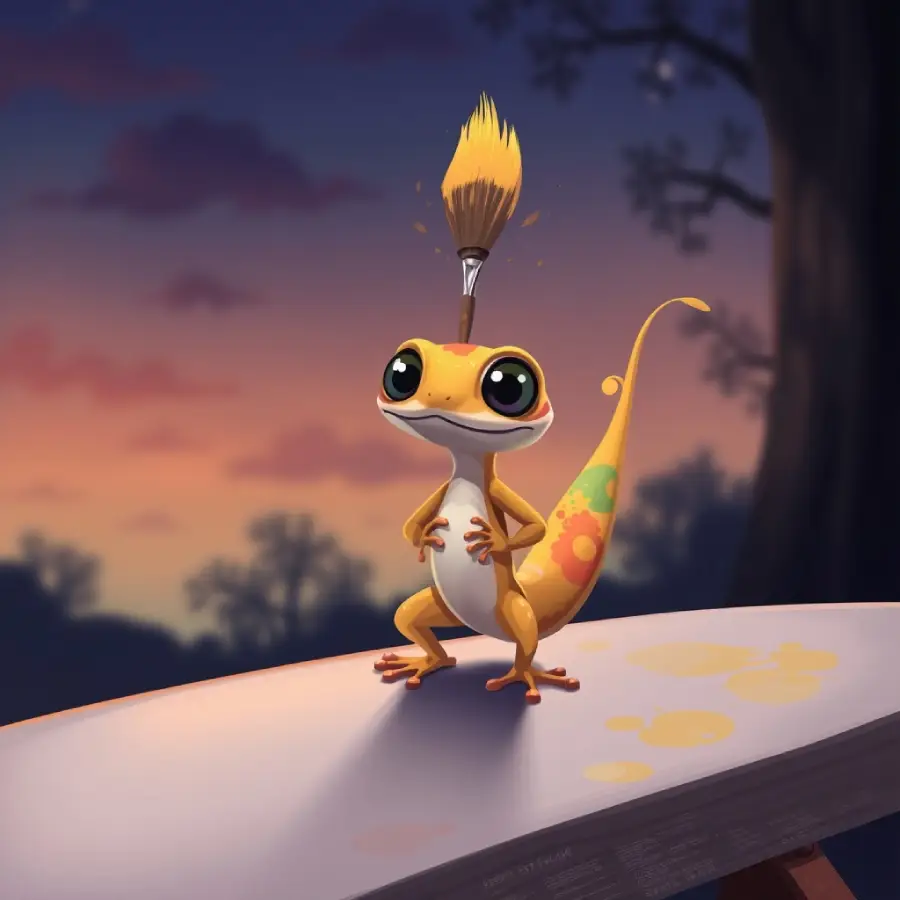
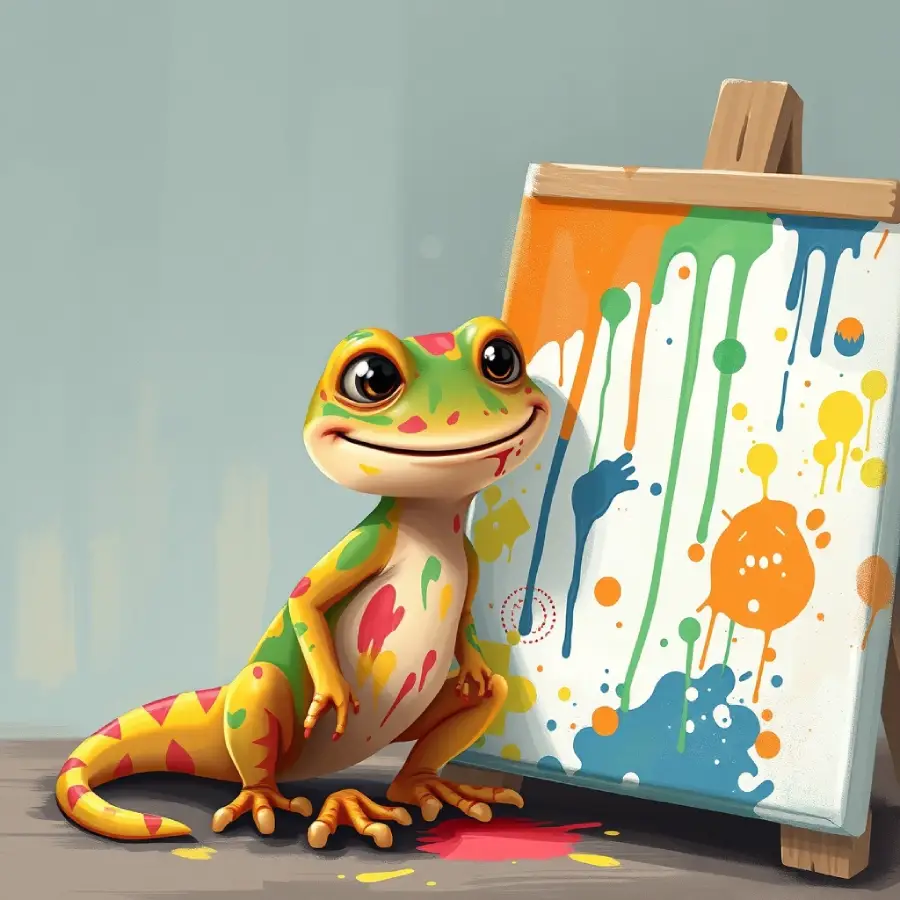
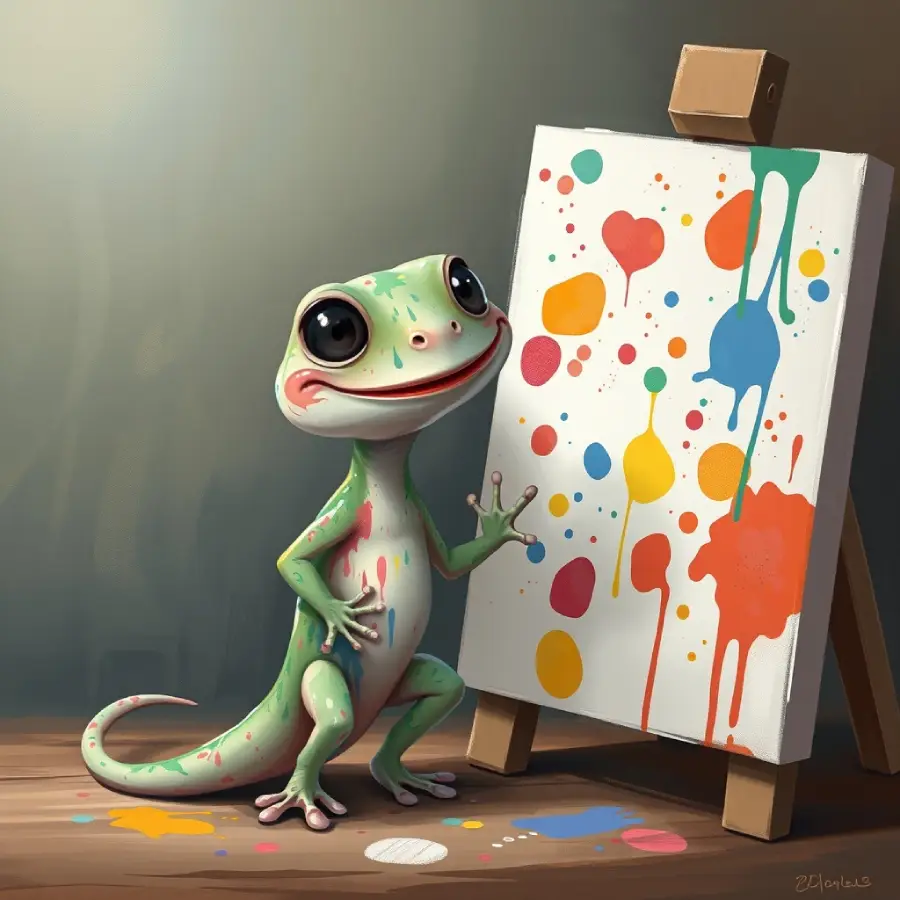
    Hi, I’m Leo. Small feet, big dreams. I used to scurry through life, walls, ceilings, deadlines, but one day, I paused in front of a canvas and never quite left. People ask how a gecko became an artist. I say: curiosity, colour, and climbing outside the lines.

    Here are my 3 wall-tested, paint-splattered rules for living creatively and meaningfully:


    1. Pause to Notice Beauty

    We rush so much we forget the details: the texture of a brushstroke, the way light hits a window, the quiet between conversations. I used to dart from task to task. Now, I pause. Presence is a palette. When you slow down, you see more and feel more.


    2. Make a Mess (It’s How You Learn)

    I’ve knocked over ink, spilled paint on my tail, and turned mistakes into masterpieces. Art, like life, is messy. But creativity lives in chaos. Let go of perfection. Try. Smear. Repaint. Growth begins when you stop fearing the mess.


    3. Express Yourself, Even If You’re Small

    People say I’m just a gecko. But I have something to say, through colour, shape, and spirit. You do too. Don’t shrink your voice. Whether it’s a poem, a playlist, or a Post, doodling and self-expression heal. Let your inner world reach the outer one.


    Final Thought from Leo

    I once thought purpose was about being fast or useful. Now I know it’s about being real. So today, pause and notice. Be unafraid to make a mess. And say what only you can say.

    Because living creatively isn’t about becoming famous, it’s about becoming you. And sometimes, getting lost in art is how we finally find ourselves.


  • The Starcatcher’s Cat – How Nimbus Helped Luma Gather a Fallen Star Before It Faded

    The Starcatcher’s Cat – How Nimbus Helped Luma Gather a Fallen Star Before It Faded

    High above the sleepy hills, where the clouds shimmered like silver and the wind sang lullabies, lived a quiet girl named Luma.

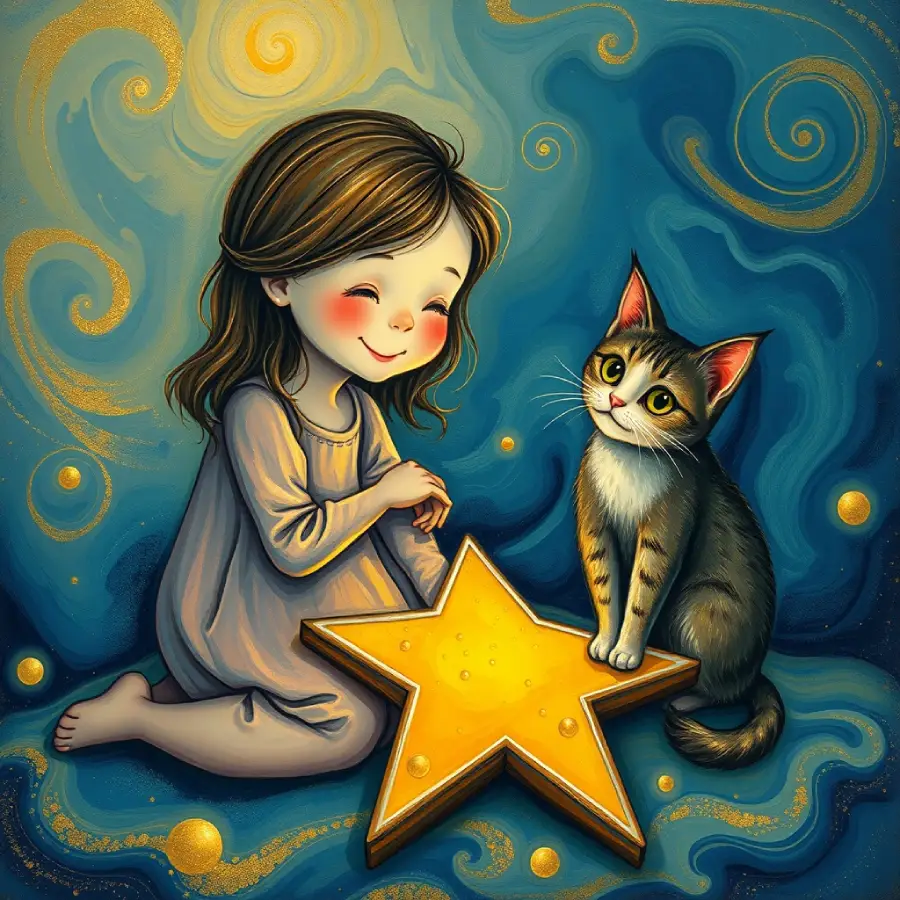
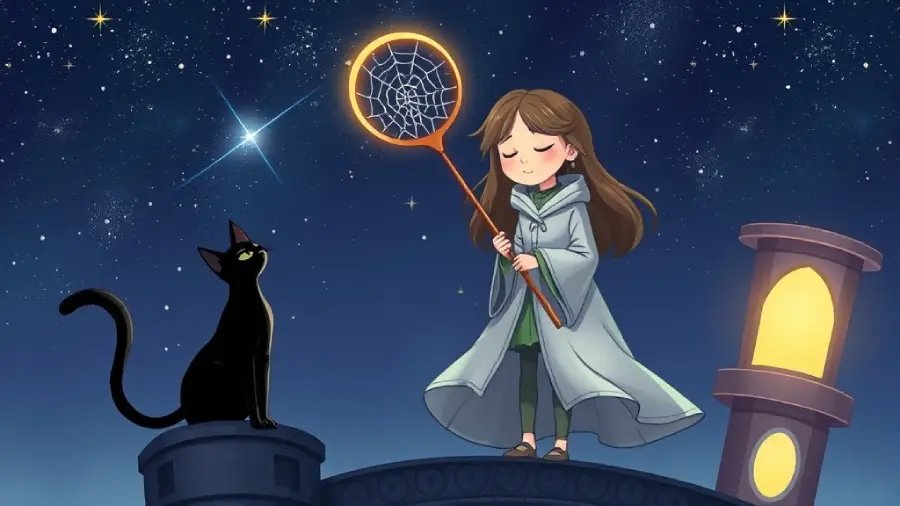
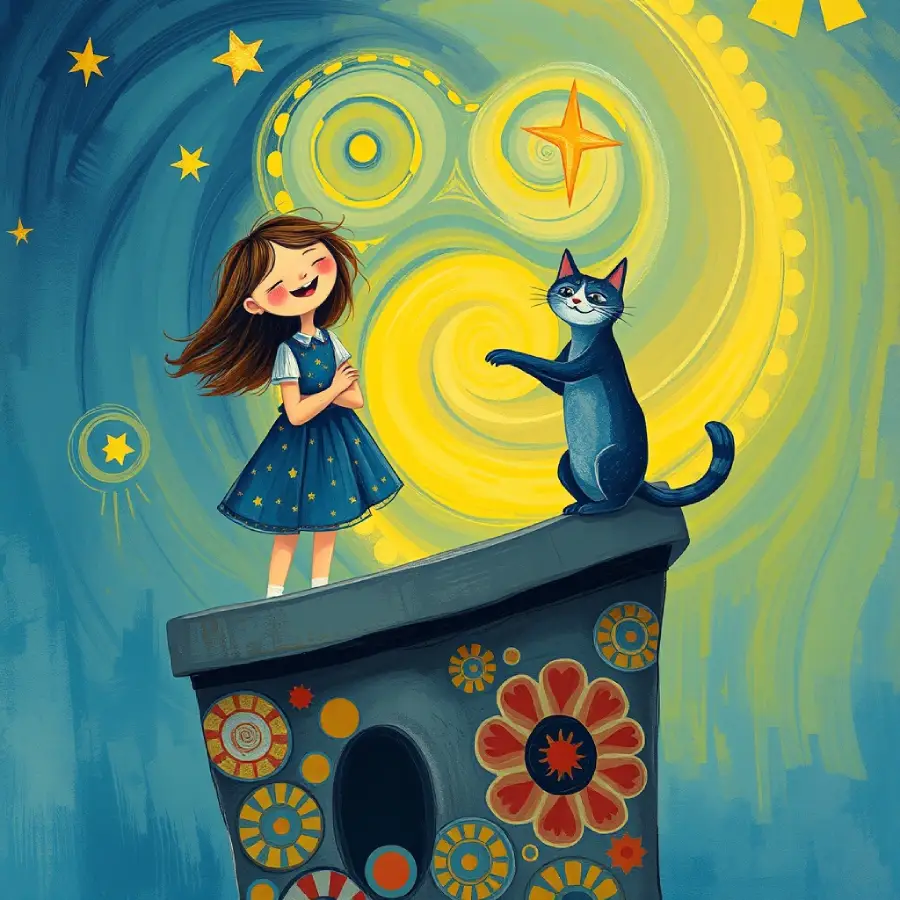
    Luma was a Starcatcher, one of the few who wandered the night sky, collecting falling stars in a basket made of moonlight.

    By her side, always quiet and graceful, walked her cat, Nimbus. With fur soft as shadows and eyes that sparkled like the stars themselves, Nimbus was no ordinary cat.

    Together, they made the perfect team, one to catch the stars, and one to chase their light.

    A Star Falls Too Far

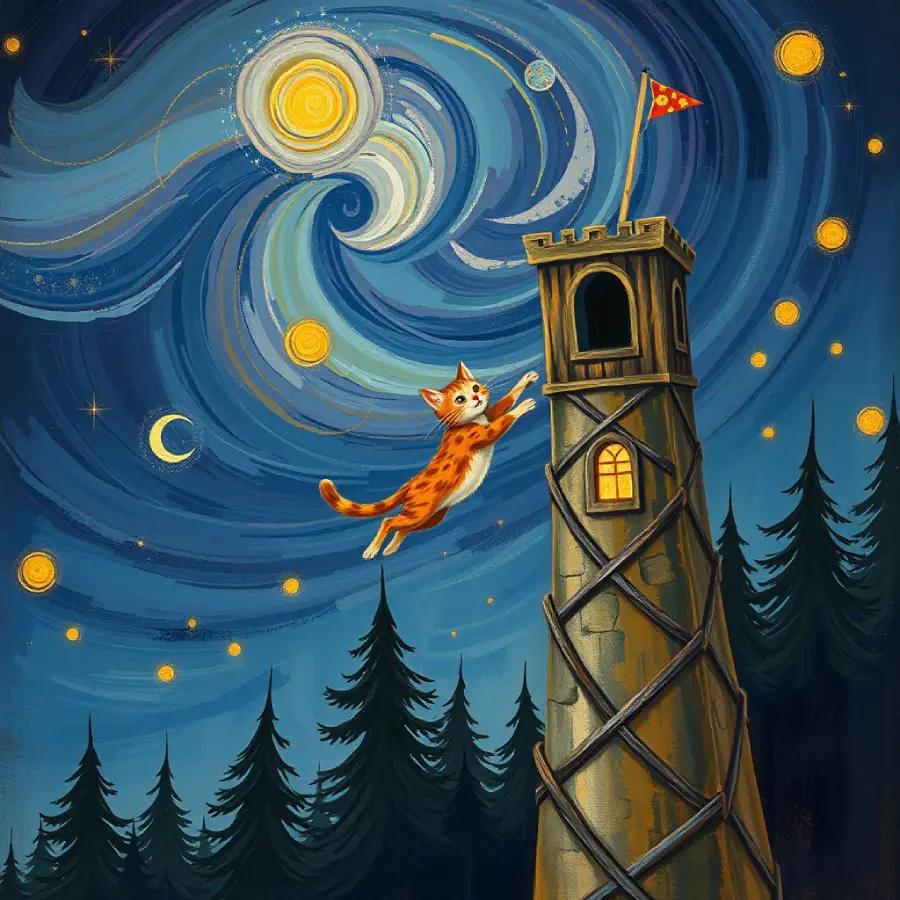
    One peaceful evening, as the moon peeked over the hills, Luma and Nimbus climbed their stargazer’s tower. With her glowing net in hand, Luma whispered, “Let’s see who’s ready to shine tonight.”

    Stars streaked across the velvet sky like golden raindrops. Luma caught one, then another, her basket glowing brighter with each star. But then, a streak of light fell too fast.

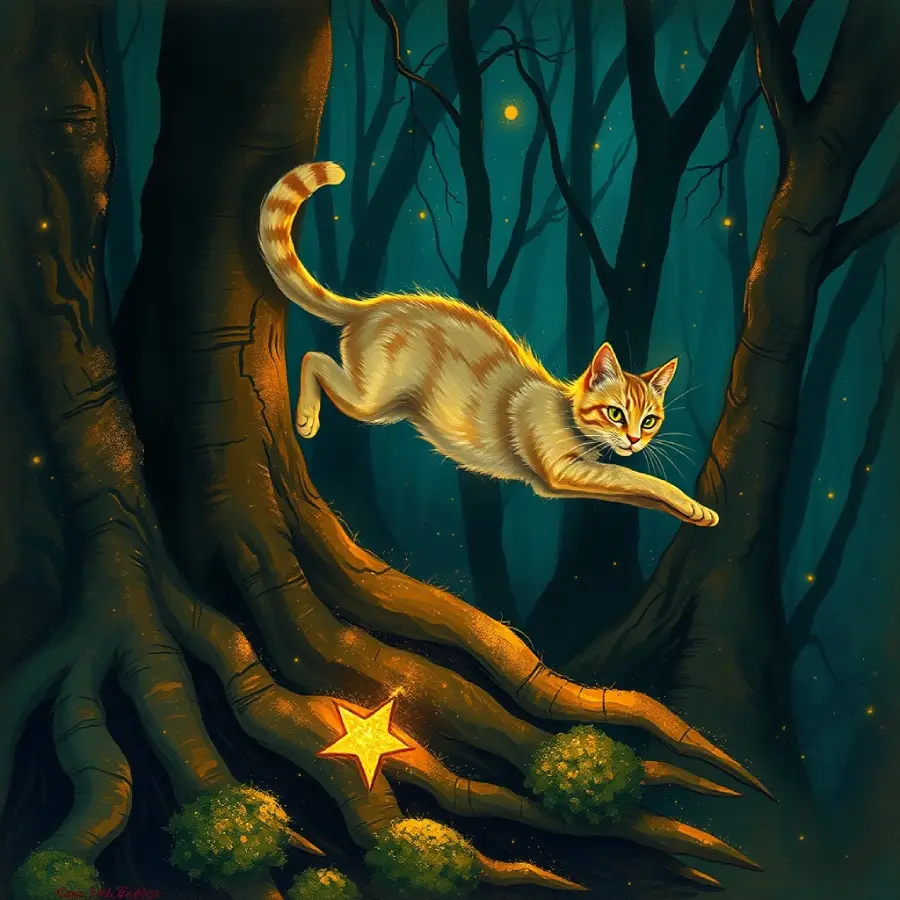
    “Oh no,” Luma gasped. “That star didn’t want to fall yet!” Nimbus’s ears twitched. He leapt from the tower and padded silently into the night.

    Through the Whispering Woods

    Nimbus moved like a breeze, his glowing paws leaving soft prints behind. Deeper and deeper he went, into the Whispering Woods, where fireflies danced and trees hummed with ancient lullabies.

    There, nestled in a bed of moss, lay the fallen star, small, scared, and dim. Nimbus nudged it gently with his nose. It flickered weakly, as if unsure whether to shine again.

    The cat curled around it, purring a low, steady hum. The star warmed under his fur, pulsing gently like a heartbeat.

    The Journey Back to the Sky

    Luma found Nimbus by morning’s first light, the tiny star still resting beside him. “You found it,” she whispered. “But it’s still too tired to rise.”

    She reached into her basket and pulled out a tiny crystal bottle of Moonmilk, a silvery potion saved for special stars. With a drop on the star’s light, the glow returned. Slowly, the star floated upward.

    Nimbus watched with calm eyes, his tail swishing as the star spun joyfully into the dawn.

    A New Night, A New Light

    That evening, Luma and Nimbus stood together once more in their tower. The sky sparkled a little brighter than before.

    Far above, the once-fallen star twinkled happily, pulsing in time with Nimbus’s quiet purrs.

    “Ready for more?” Luma asked. Nimbus gave a soft meow, his eyes reflecting the sky.

    Goodnight, little starcatcher. And goodnight to you, dreamer. May your dreams be filled with quiet magic and gentle light.

    The End !

  • The Raven Who Left Feathers – How One Bird Taught Me to Notice the Quiet Things That Change Us

    The Raven Who Left Feathers – How One Bird Taught Me to Notice the Quiet Things That Change Us

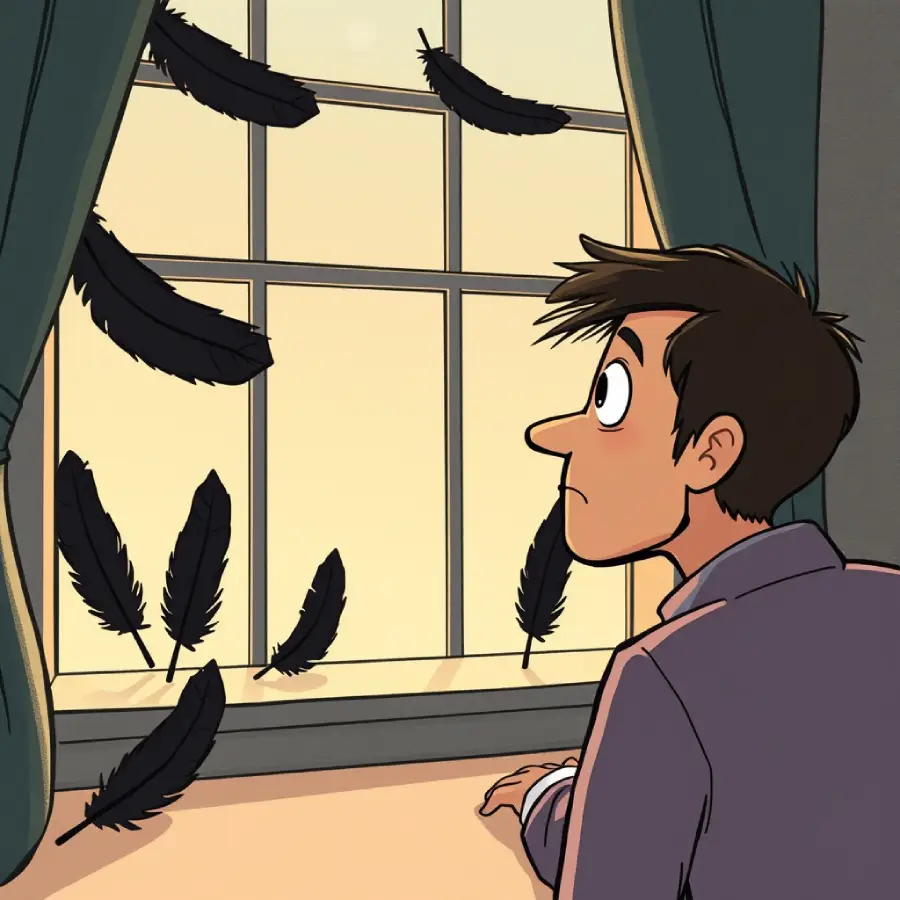
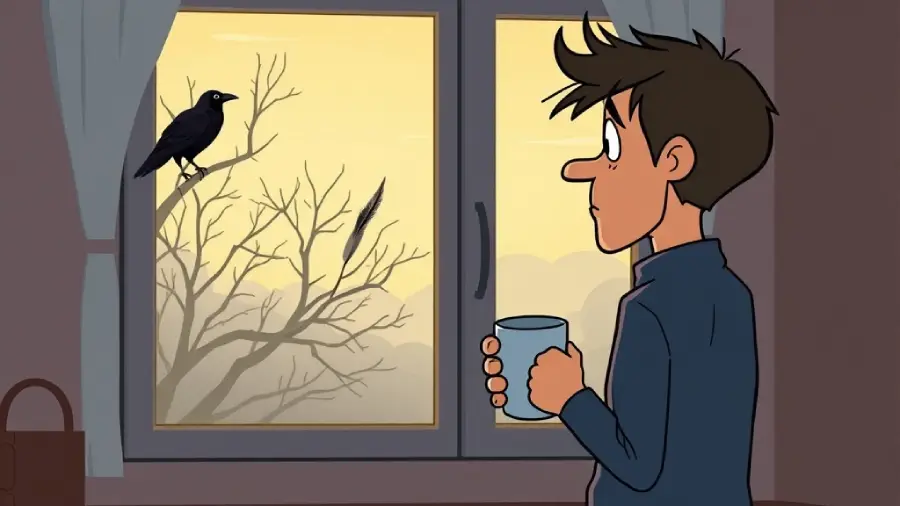
    It appeared on the windowsill one morning. Black, glossy, curved like a question. I didn’t think much of it at first, just a stray feather, maybe dropped mid-flight. I brushed it aside and continued my day.

    But the next morning, there was another. In the same spot. Clean, whole, still as a sentence waiting to be read. By the third morning, I stopped dismissing it. The feathers arrived with impossible precision. No mess, no scattered down. Just one, each day, placed like punctuation.
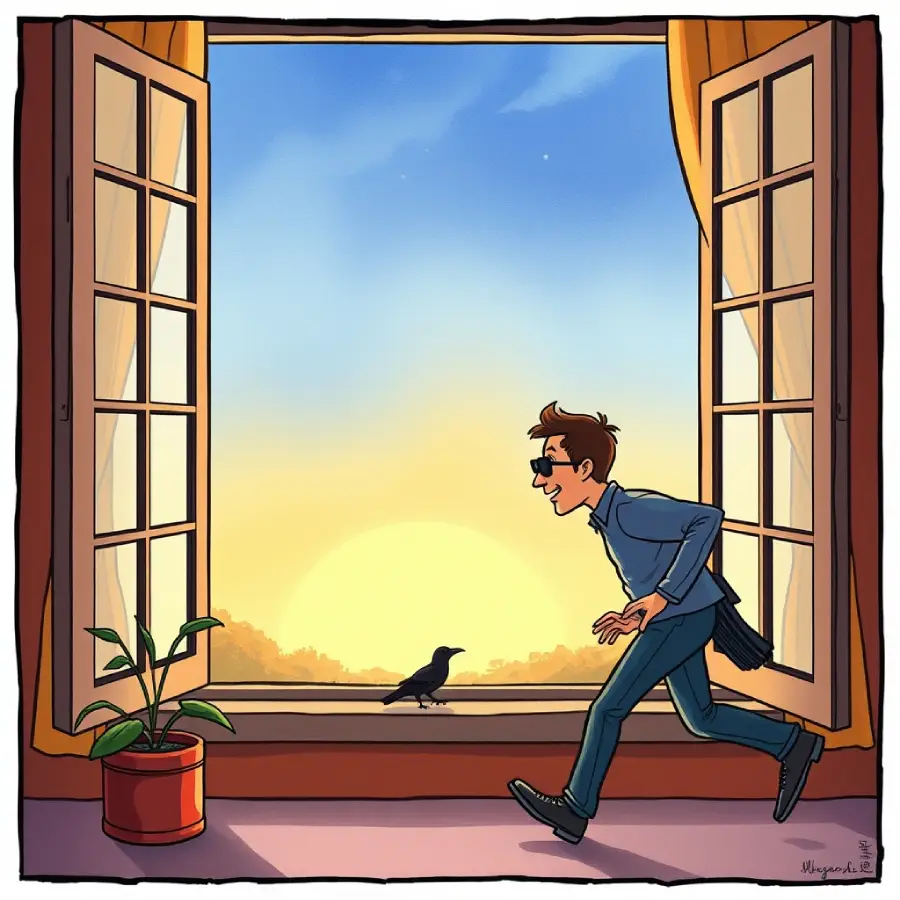
    And always, the raven nearby, watching from the gnarled walnut tree, head tilted slightly, as if asking whether I was paying attention yet.
    When Silence Speaks Louder Than Words

    I never saw her deliver the feathers. Only the results. But her gaze stayed with me. Calm. Knowing. Unhurried. It felt less like being watched and more like being witnessed.

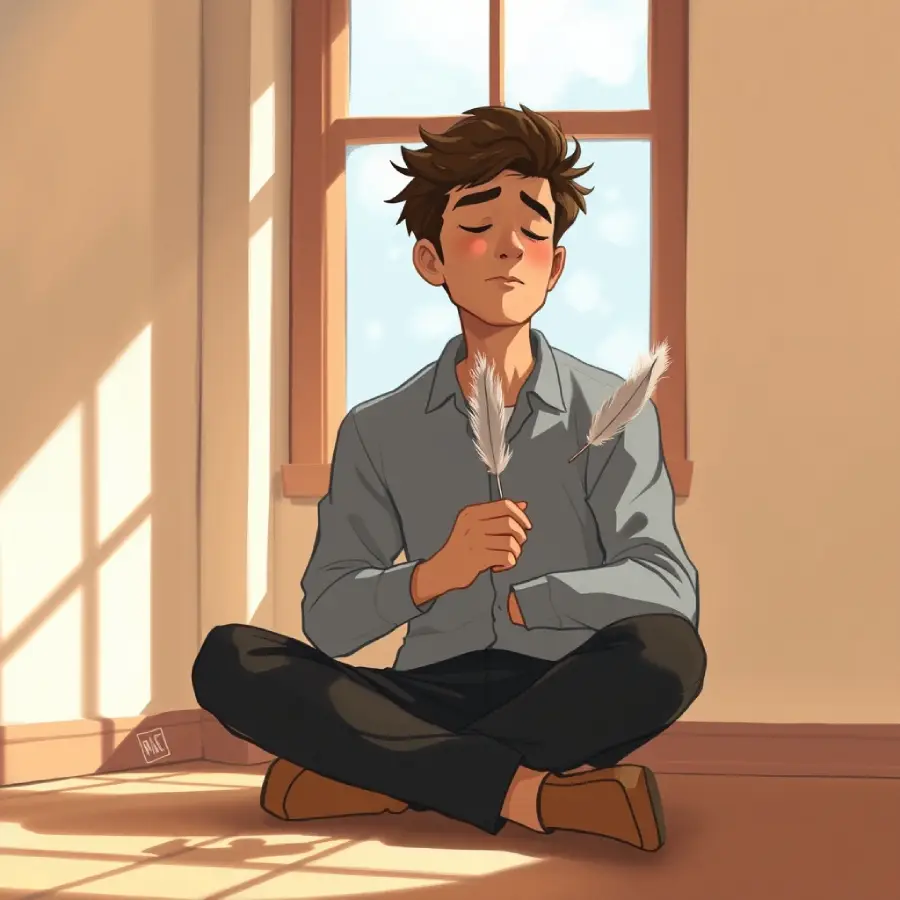
    I began to keep the feathers in a glass jar on my kitchen counter, though I wasn’t sure why. I told no one. How do you explain a bird leaving you gifts with the precision of poetry?

    They weren’t ordinary feathers. They carried something in them, a stillness, a weightless presence. When I held one in my palm, I could feel myself breathing differently. Slower. Deeper. As if I’d been called back to something I’d forgotten.

    Not a message in language, but in attention. In quiet.

    Feathers as Reminders, Not Rewards

    One morning, I was in a rush, phone buzzing, coffee burning, mind racing. I didn’t check the sill. I didn’t look up at the tree. I forgot.

    That day, there was no feather.

    And something in me sagged. Not with guilt, exactly, but with awareness. Like missing a call you didn’t hear ring. The world hadn’t punished me. The raven hadn’t disappeared. But the rhythm had paused.

    I walked out to the walnut tree that evening. The raven was there, of course. She said nothing. Did nothing. But she was there.

    So I stood still. I listened. I apologised, not in words, but in posture. In presence. The next morning, the feather was back.

    What the Raven Left Me With

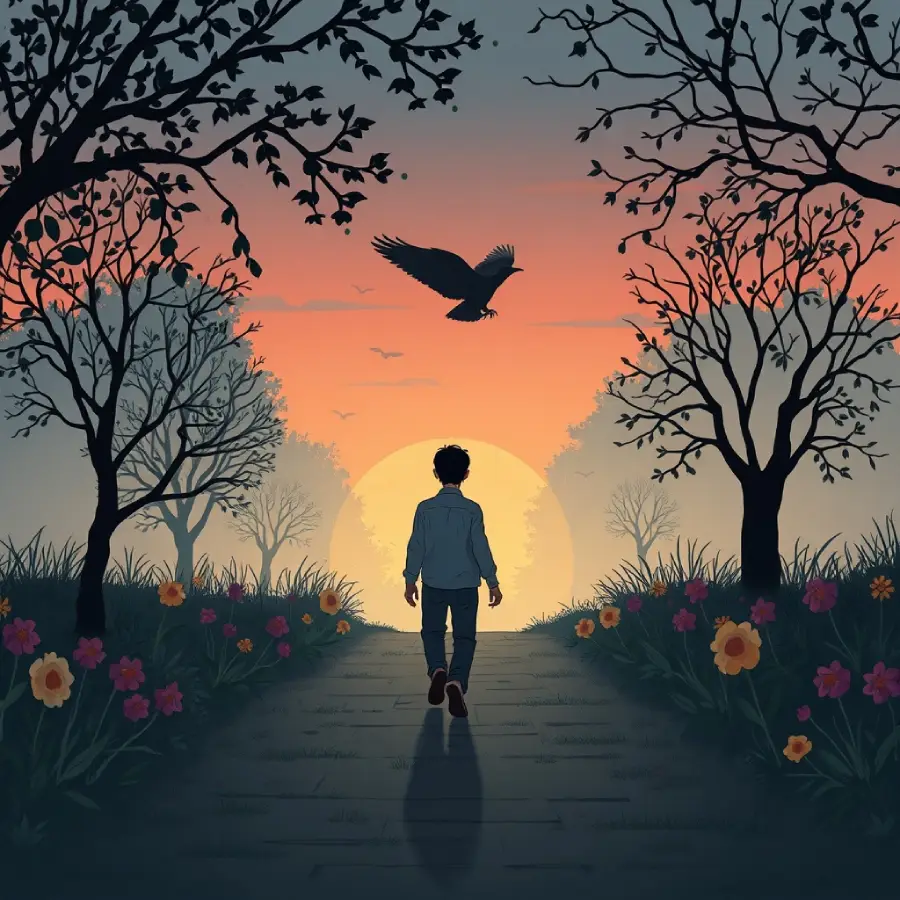
    She stayed through winter. Left feather after feather until the jar was full. Then one day, she didn’t come. No feather. No silhouette in the tree. Just air and silence.

    But by then, I didn’t need the feathers to remember what they had taught me:
    That not everything important arrives with sound. That presence isn’t loud. That a life can be altered by a bird who asks nothing, gives quietly, and vanishes without warning.

    Now I notice different feathers, the way sunlight catches dust, the warmth of a mug in my hands, the space between thoughts. All quiet. All messages.

    The raven left me reminders, not answers.
    And in her absence, I’ve finally learned to read them.